Dubai is filled with landmarks that millions of people recognize instantly.
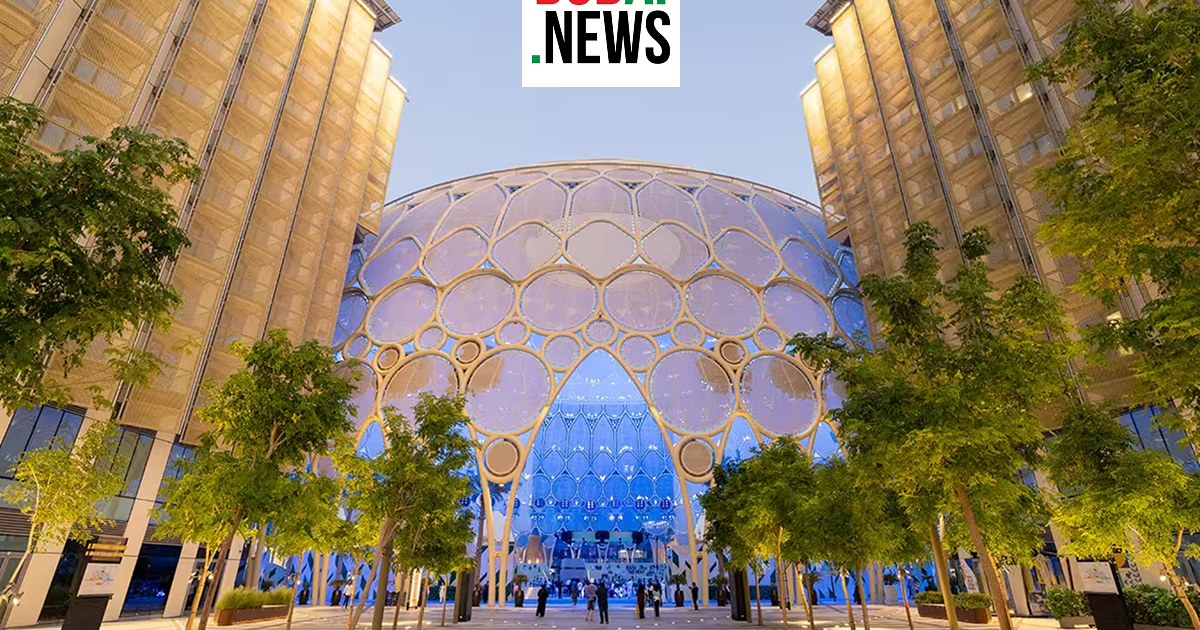
The glowing dome of Al Wasl Plaza. The striking UAE Pavilion. The futuristic Museum of the Future. Today, they’re symbols of one of the world’s fastest-growing cities.
But before they became global attractions, they were little more than steel frames, cranes and construction sites.
That’s the message behind “Dubai It,” the latest storytelling campaign shared by His Highness Sheikh Mohammed bin Rashid Al Maktoum, Vice President and Prime Minister of the UAE and Ruler of Dubai. Through a series of powerful before-and-after images, the campaign reminds people that every extraordinary achievement starts with a vision.
More Than Before-and-After Photos
The campaign isn’t simply celebrating architecture.
Each image places a black-and-white construction photograph above a full-colour image of the completed landmark, revealing just how dramatically Dubai has transformed in only a few years.
It is a visual reminder that the city’s most iconic destinations were once excavation pits, unfinished steel structures and ambitious masterplans.
The message is simple: every landmark that defines Dubai today once existed only as an idea.
Al Wasl Plaza Became the Ultimate Symbol
Among the landmarks featured, none represents that transformation better than Al Wasl Plaza at Expo City Dubai.
Today it stands as the world’s largest interactive immersive dome, officially recognised by Guinness World Records.
The dome spans 130 metres in diameter, rises more than 67 metres high, covers 24,038 square metres, and uses more than 250 advanced projectors to create one of the world’s largest 360-degree immersive experiences.
Its design carries even deeper meaning.
“Al Wasl” was the historic name of Dubai, meaning “the connection.” The dome’s intricate steel geometry was inspired by a 4,000-year-old Bronze Age ring discovered in the UAE, connecting ancient Emirati heritage with one of the country’s most technologically advanced public spaces.
Since opening during Expo 2020 Dubai, the plaza has hosted international concerts, national celebrations, cultural festivals and major public events, becoming the beating heart of Expo City Dubai.
Dubai’s Icons All Started the Same Way
The campaign also highlights a wider truth about Dubai’s development.
Many of the city’s best-known landmarks rose from empty desert or massive construction zones before becoming internationally recognised attractions.
Each project followed the same pattern.
First came the drawings.
Then the cranes.
Then years of construction.
Today, they welcome millions of visitors every year and have become defining symbols of Dubai around the world.
A Vision That Never Stops Building
The side-by-side images in the “Dubai It” campaign capture more than engineering milestones.
They tell the story of a leadership philosophy that has shaped Dubai for decades: think beyond today’s limits and build for tomorrow.
The campaign shows that transformation doesn’t happen overnight. Every globally recognised destination began with planning, persistence and the confidence to pursue ambitious ideas.
Whether it’s Al Wasl Plaza, the UAE Pavilion or other architectural icons, each landmark represents years of work before becoming part of Dubai’s skyline.
The Verdict
Dubai’s skyline wasn’t built in a day, and the “Dubai It” campaign makes sure nobody forgets that.
By pairing construction photos with today’s completed landmarks, HH Sheikh Mohammed’s campaign celebrates the people, engineering and vision behind the city’s greatest achievements.
It is more than a nostalgic look back.
It is a reminder that every record-breaking landmark, every iconic building and every symbol of modern Dubai started exactly the same way—with an idea bold enough to become reality.