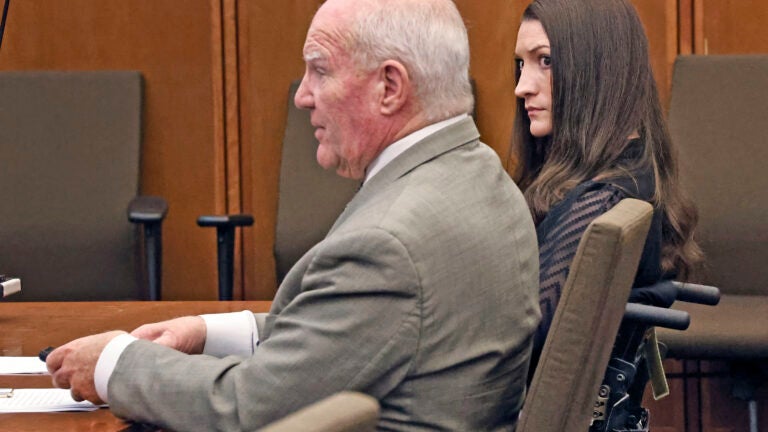
The murder trial of Lindsay Clancy, the Massachusetts mother accused of killing her three young children in January 2023, is set to begin July 20, 2026, and one of the most notable developments ahead of it is who will be testifying in her defense. Lindsey’s husband, Patrick, has been called as a witness for the defense, despite the charges against his wife. Clancy, 35, is pleading not guilty by reason of insanity to three counts of murder and three counts of assault and battery with a dangerous weapon.
Patrick has continued to support his wife publicly while separately pursuing a wrongful death lawsuit against her healthcare providers, alleging she had been prescribed nine different psychiatric medications, including Prozac, Ambien, Klonopin, Seroquel, and Lamictal, before the deaths. The case has drawn national attention both for its tragic circumstances and for the broader questions it raises about postpartum mental health and psychiatric medication.
The Clancy Family and the Tragedy That Fell Upon Them
Lindsay Clancy, a former labor and delivery nurse at Massachusetts General Hospital, is accused of using exercise bands to kill her three children: Cora, 5, Dawson, 3, and 8-month-old Callan, at the family’s Duxbury home before attempting suicide by jumping from a second-story window, an attempt that left her paralyzed. Patrick had briefly left the house to pick up dinner and called 911 upon his return.
Clancy’s attorneys are arguing she was experiencing postpartum psychosis and the effects of overmedication at the time, and the lawsuit alleges she had begun hearing an “unrecognizable singular male voice” telling her it was her “last chance” and that she had to “take them” with her. A judge recently denied a defense motion to call other women who have experienced postpartum psychosis as witnesses, after prosecutors argued it would be prejudicial and turn the case into “a trial within a trial.”
Defense attorney Kevin Reddington had said he’d been contacted by 15 women willing to testify about their own experiences with postpartum psychosis, arguing they’d been “victimized by the medical system that fails to recognize the severe, debilitating and devastating impact of postpartum depression and postpartum psychosis.”
Postpartum Psychosis: In the Minds of Distressed Mothers
According to the Cleveland Clinic, Postpartum psychosis is a rare but severe mental health emergency that disrupts a person’s sense of reality after childbirth, causing hallucinations, delusions, paranoia, or other significant behavior changes. It typically emerges within days of giving birth but can occur up to six weeks postpartum, and according to the NCBI, it affects an estimated 0.089 to 2.6 out of every 1,000 births.
Symptoms: Symptoms fall into depressive, manic, and mixed subtypes, with the depressive form being both the most common and most dangerous. Common signs include hallucinations, delusions, severe mood swings, disorganized thinking, insomnia, agitation, and thoughts of self-harm or harming the newborn.
Causes: Contributing factors can include a personal or family history of bipolar disorder or related conditions, sleep deprivation, dramatic postpartum hormone shifts, and, in some cases, underlying medical issues. Experts don’t fully understand why it happens, though a first pregnancy raises the risk, as does a personal history of the condition.
Treatment: Because those affected typically can’t recognize their own symptoms, treatment almost always requires involuntary inpatient psychiatric care to keep the person and their child safe. Treatment options include antipsychotic medications, mood stabilizers, and, in some cases, electroconvulsive therapy. With prompt treatment, most people recover within weeks; left untreated, the condition can persist and worsen for months.
Mothers Need to Be Cared For, Not Just Their Children
The tragic case of Lindsay Clancy and the deaths of her three children has become a flashpoint in the broader conversation about postpartum psychosis. The Cleveland Clinic notes that because people with the condition are rarely aware they’re experiencing it, family members and healthcare providers play a critical role in recognizing warning signs early and getting emergency care before a crisis escalates.
The case also highlights a difficult tension for the legal system: postpartum psychosis is real, well-documented, and can involve terrifying loss of touch with reality, yet courts must weigh that reality against the need for accountability in cases involving the loss of a child’s life. Whatever the trial’s outcome, the importance of accessible, well-monitored postpartum mental health care cannot be emphasized more, along with ensuring new mothers and their families know the warning signs and where to turn for urgent help.
If you or someone you know may be experiencing postpartum depression or psychosis, Postpartum Support International offers a free helpline at 1-800-944-4773.