In this article
When Frances Tiafoe walks onto Louis Armstrong Stadium at the US Open, something shifts. The arena transforms from venue to theatre, from court to cathedral. This is the People’s Court, and it belongs to him.
Why Louis Armstrong Stadium Became the People’s Court
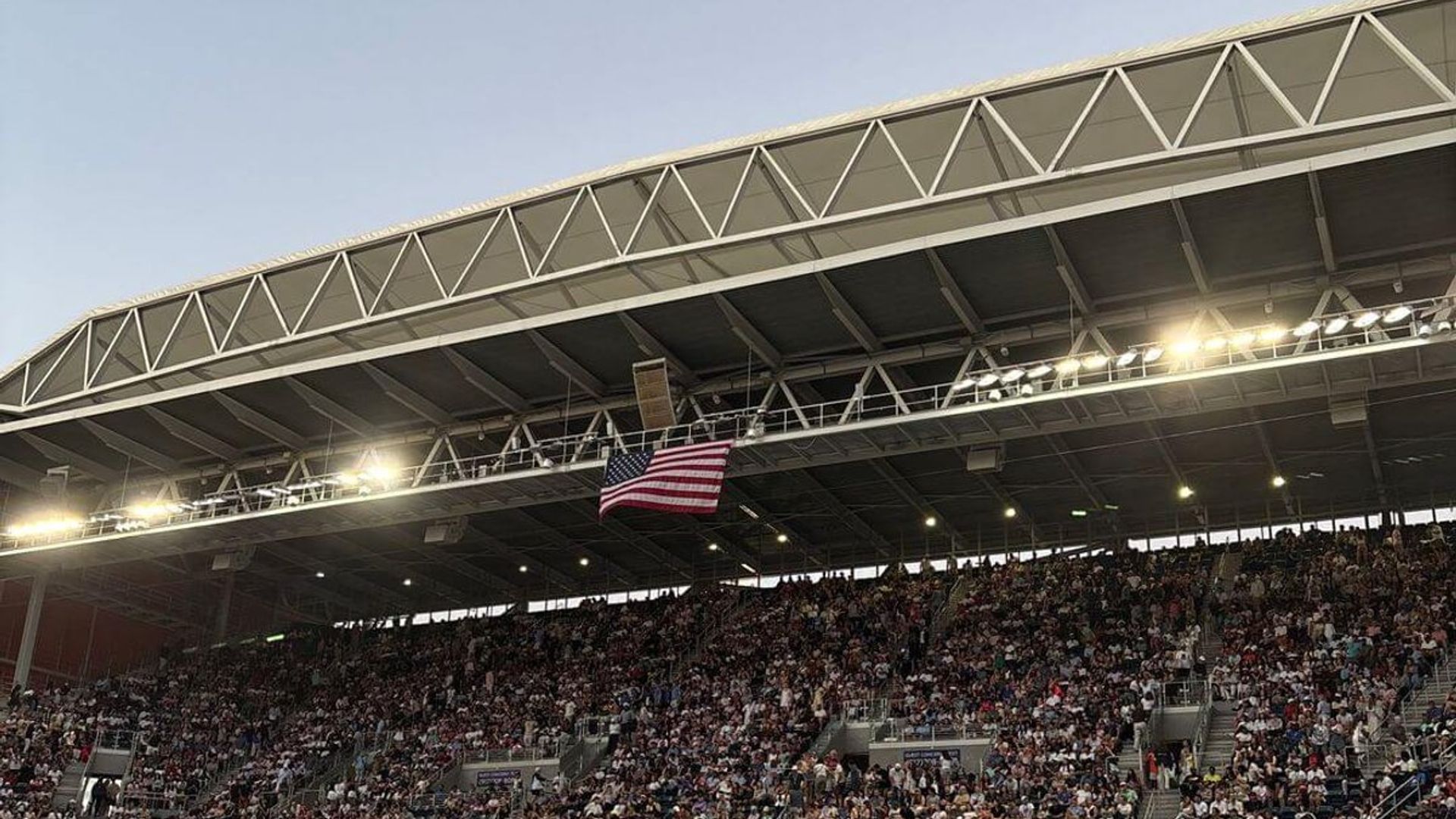
Arthur Ashe Stadium may host the finals and draw the biggest names, but Louis Armstrong Stadium has carved out a different identity entirely. The second-largest court at Flushing Meadows has become the emotional heart of the tournament.
The intimacy matters. Armstrong feels close. Steep seating brings fans right to the baseline. The retractable roof creates a pressure-cooker atmosphere on night sessions. Most importantly, the crowd here isn’t corporate; it’s loud, diverse, and deeply invested in the underdog narrative.
Tiafoe has forged a powerful connection with Armstrong Stadium, delivering memorable performances that resonate with the New York crowd. His straight-sets victory over Medvedev exemplified the kind of electric atmosphere that turns a venue into a legend.
The Tiafoe Effect: Authenticity as Currency
Tiafoe’s connection to the US Open People’s Court isn’t manufactured. His story resonates with the diversity of New York, and the Armstrong crowd recognises it.
What brands often miss is that this kind of connection cannot be bought through endorsement deals alone. It’s built through:
- Genuine representation: Tiafoe’s background mirrors the diversity of the crowd itself
- Consistent presence: he shows up, delivers drama, and acknowledges the crowd every single time
- Emotional accessibility: he wears his heart on his sleeve, celebrating and suffering visibly
- Cultural fluency: he understands the moment and the audience in equal measure
This isn’t just sports marketing. It’s cultural resonance.
Source: USOpen.org
What the GCC Sports Market Can Learn
The lesson for brands operating in the UAE and wider Gulf region is straightforward but often ignored: venue atmosphere and athlete authenticity create commercial value that traditional advertising cannot replicate.
Consider the parallels. The Formula 1 Abu Dhabi Grand Prix has worked deliberately to build its own identity distinct from Monaco or Silverstone, with a twilight race, a unique venue, and increasingly, local sporting heroes to celebrate. The Emirates Dubai 7s has cultivated a festival atmosphere that goes beyond the rugby itself.
The US Open People’s Court model offers a blueprint: create spaces where fans feel ownership, where the experience is participatory rather than passive, and where athletes can forge genuine emotional bonds with the audience.
The Commercial Power of the Second Stage
Here’s what makes the Louis Armstrong Stadium story particularly instructive for corporate hospitality and sponsorship strategies: the secondary venue often delivers better ROI than the flagship.
Armstrong doesn’t have the prestige of Ashe, but it has something more valuable: a defined identity and a passionate core audience. For brands, that means:
- More authentic activation opportunities: less formal, more energetic environments
- Better storytelling: underdog narratives and breakthrough moments happen here
- Stronger recall: fans remember the atmosphere, not just the result
- Cost efficiency: high-quality experiences without the cost of the main stadium
The same logic applies across sports. The paddock club at an F1 race is prestigious, but the grandstand at Turn 1 is where the energy lives. The centre court at Wimbledon is iconic, but Court 1 is where the chaos unfolds.
Building Your Own People’s Court
For organisations looking to replicate this magic, the formula isn’t complex, but it requires patience and authenticity. You need a venue with character, athletes who genuinely connect with the local market, and the willingness to let the crowd shape the atmosphere rather than over-programming every moment.
Most importantly, you need to resist the urge to sanitise. The US Open People’s Court works because it’s raw, loud, and occasionally chaotic. That’s not a bug. That’s the entire point.
The Enduring Appeal of Belonging
Frances Tiafoe’s relationship with Louis Armstrong Stadium reminds us that sport, at its best, is about belonging. The court doesn’t belong to him because of ranking points or prize money. It belongs to him because he and the crowd have claimed each other.
That sense of mutual ownership (athlete and audience, venue and community) is what transforms a sporting event into a cultural moment. It’s what brands should be chasing, and what too many overlook in pursuit of reach metrics and logo placement.
In a region like the GCC, where sports infrastructure continues to evolve and major events proliferate, the lesson is clear. Build your People’s Court. Find your Tiafoe. Let the magic happen.