Over last one week, residents of South Delhi’s Gulmohar Park have been alleging severe contamination in drinking water supply, with many reporting foul-smelling, yellow and murky water as well as multiple cases of illness and hospitalisation, prompting inspections and repair work by the Delhi Jal Board (DJB).
Many families have shut off their DJB connections and are relying on private tankers, as fears grow over possible sewage mixing with drinking water in underground pipelines.
An emergency meeting was convened on Tuesday between the affected residents and local MLA Satish Upadhyay — also the nominated DJB chairman — as authorities attempted to identify the source of the contamination affecting households in A, B, C and D blocks.
Upadhyay said DJB officials traced the possible contamination points to illegal makeshift toilets set up amid ongoing construction activity behind B-40 and B-46 homes, along with an old pipeline near a drain close to Gate 2 that had not been properly sealed. “Whenever a new house is built, a new connection for water is laid. But the old pipeline along these houses was left redundant… as the pipelines are interconnected, water started getting sucked from there,” he said.
Upadhyay added that while illegal makeshift toilets had been demolished and old pipelines plugged, repair work around the drain area had been initiated.
“We have requested MCD to take legal action and issue notices. The DC (South) has also been informed,” he said.
Residents said DJB teams spent much of Tuesday digging up stretches behind residential lanes to inspect damaged pipelines and identify possible leakage points between sewer and drinking water lines.
Story continues below this ad
According to the residents, more than 80 complaints have been filed on the Chief Minister’s grievance portal regarding the issue.
They alleged the contamination has led to diarrhoea, infections and hospitalisation of both senior citizens and children.
“Four residents are in the hospital. There may be far more. The water supply is not only muddy, it also contains pathogens… maybe that is what is causing diarrhoea,” resident Subrat Birla said.
“We have more than 50 cases, every day it’s increasing. So many senior citizens live here. Even after boiling water we are not sure, so people are buying drinking water,” he added.
Story continues below this ad
According to the residents, the problem began around a week ago with complaints from a few homes before spreading rapidly across multiple blocks over the last two to three days.
“The water smells bad, tastes bad, and now it’s also yellow,” said another resident. “Four senior citizens are in the hospital because of diarrhoea… even two children have been impacted.”
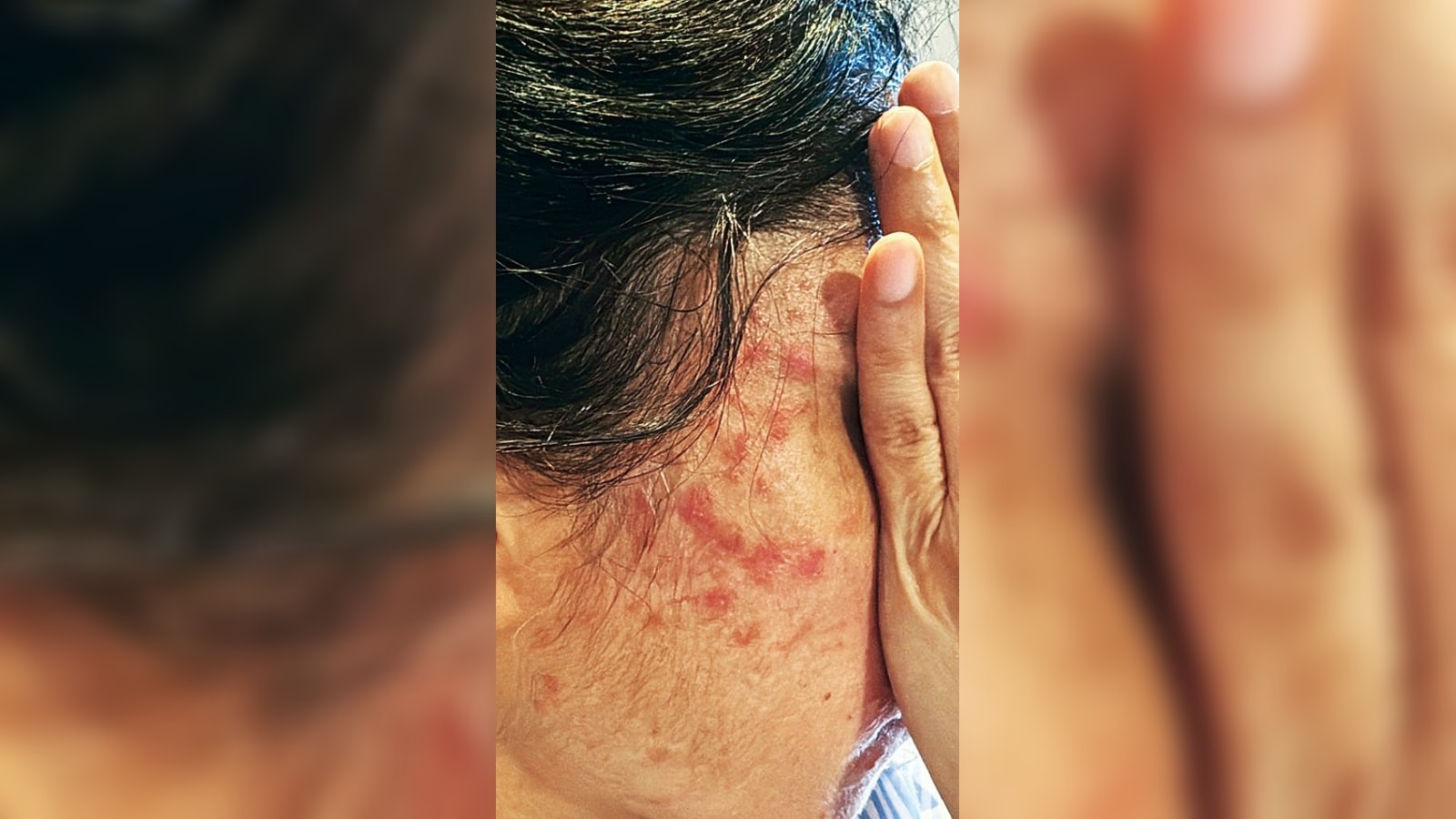
An 18-month-old child was hospitalised on Tuesday, residents claimed, while several others reported gastrointestinal illness and skin irritation.
“It is contaminated with faecal matter. We have cleaned the tanks and plugged the DJB supply. Chlorine etc. will not be of much use,” a resident from B Block alleged in a message circulated among residents.
Story continues below this ad
According to residents who attended Tuesday’s meeting, DJB officials have advised the households not to use the contaminated water supply until the issue is resolved.
Residents alleged that demand for water supply by tankers has surged sharply, with many depending either on DJB or private suppliers.
The Gulmohar Park Joint Citizens Welfare Association had written to authorities on May 23 flagging the issue as a “serious health concern”. “Residents are falling sick. Please correct the problem on an urgent basis,” the complaint by RWA president Nirupama Verma said.
According to residents, the colony, developed in the early 1970s and home to a large elderly population, has an ageing underground pipeline network that may have deteriorated over time. “There are major issues with old pipelines. DJB should survey and upgrade the system,” a resident said, pointing to repeated episodes of leakage and pipe damage over recent years.
Story continues below this ad
Many also alleged that low water pressure and intermittent supply may have worsened the contamination risk. “Everybody has online meters now. These suck in even dirty water during low-pressure hours,” one resident said.
Some residents said they were relying entirely on tankers. “I drained all the water from my underground tank. Since then, I have been dependent on water tankers,” a resident said. “My mother and sister are down with diarrhoea. My neighbour’s grandson is hospitalised.”
Residents also expressed frustration over what they described as a delayed administrative response. “I called DDMA. They gave me another number to call,” said one.
According to RWA representatives, while officials have informed them that the issue may be resolved within the next two to three days, residents remained uncertain about when normal supply would resume.