Image: Government of South Australia
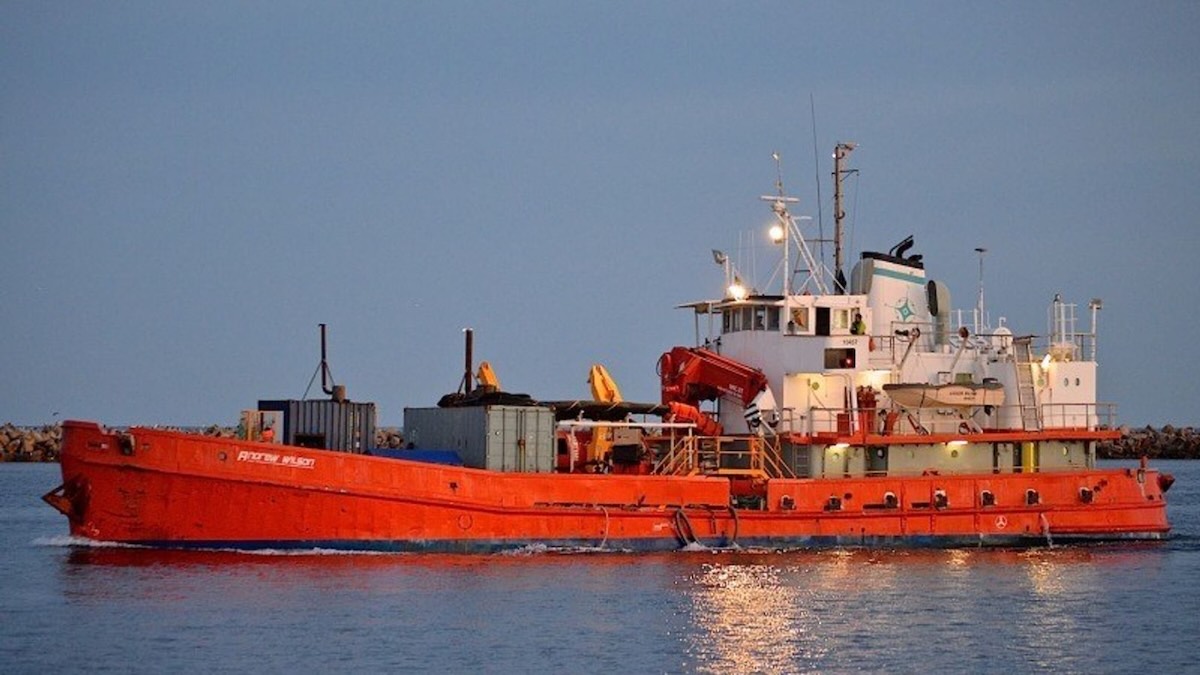
A piece of South Australian maritime history has found a new home beneath the waves, with the iconic MV Andrew Wilson sunk six kilometres off Brighton to become Adelaide’s newest artificial reef.
The 40-metre grab hopper dredger took its final voyage from Port Adelaide, travelling around 40 kilometres before being scuttled off the coast.
The historic sinking marks the first time a vessel has been scuttled in South Australian waters in more than two decades, with the new reef expected to support marine life while creating a new attraction for recreational divers.
The project is part of the Australian and South Australian governments’ $165 million response to the state’s algal bloom, which has had a significant impact on marine ecosystems and coastal communities.
After being anchored overnight, valves were opened to allow water to flood the vessel before it gradually settled upright on the sandy seabed around 20 metres below the surface.
Following a final safety inspection, the wreck will open to recreational diving, with the relatively shallow site expected to be suitable for divers with an entry-level scuba qualification.
Once open, divers will be able to explore sections of the historic vessel, including its engine room, galley and bridge.
The location was selected for its accessible depth, seabed conditions, proximity to boat ramps and safe distance from major shipping channels. The wreck will also create new habitat for fish and other marine life as the Gulf St Vincent continues its recovery from the algal bloom.
It forms part of broader environmental recovery efforts, including native oyster reef construction and seagrass restoration.
A 12-month ban on recreational and commercial fishing within 200 metres of the wreck has also been introduced to give local fish stocks, including snapper, flathead and King George whiting, the chance to establish around the new reef.
Built in 1962, the MV Andrew Wilson has spent more than six decades working in South Australian waters. The vessel undertook local dredging projects, supported previous artificial reef installations and played a role in the salvage operation following the fatal Whyalla Airlines Flight 904 crash in May 2000, which claimed the lives of all eight people on board.
Its final transformation began several months ago after Maritime Constructions donated the vessel to the State Government. Before it could be sunk, specialist crews spent more than 2,500 hours preparing it for its new role.
Hazardous materials were removed, internal walls stripped out, and strategic access holes cut into the hull. The vessel also underwent a deep clean in consultation with the Environment Protection Authority and an independent specialist.
Strict international guidelines were followed to ensure the artificial reef would not negatively impact the surrounding marine environment.
Federal Minister for the Environment and Water Murray Watt said, “Sinking the MV Andrew Wilson off the coast of Brighton to create Adelaide’s newest artificial reef is the latest example of our joint effort, as we deliver more than $165 million in response measures to the algal bloom.
“This builds on the support we’ve delivered for science and environmental measures to help marine life recover, and ensure South Australia is at the forefront of our country’s algal bloom research.”
Now resting 20 metres beneath the Gulf St Vincent, the MV Andrew Wilson’s working life may be over, but its next chapter is only just beginning.