Overview:
Haiti allocates nearly $3 million to launch construction of the Jean-Rabel to Port-de-Paix road, in the Northwest Department. Government officials say work on the 28-mile route could begin this month, but residents question whether the funding is enough.
PORT-DE-PAIX— Haiti’s government has allocated approximately $2.9 million for the long-delayed construction of the road connecting Jean-Rabel to Port-de-Paix, a major infrastructure project residents hope will finally improve travel, trade and access to hospitals in the Northwest Department.
The Ministry of Public Works, Transport and Communications ( MTPTC) said work on the 28-mile dirt-tracked corridor is expected to begin this month and be completed over three years.
The project marks the first time the Jean-Rabel to Port-de-Paix road has been formally included in Haiti’s national budget, according to Angelot Oracius Joseph, the MTPTC’s departmental director in the Northwest.
“For the first time, the Jean-Rabel to Port-de-Paix road has been included in the national budget and will receive funding of 377 million gourdes, or approximately $2.9 million,” Oracius said in a press conference on April 30.
A region shaped by neglected infrastructure, concerns over funding and oversight
The announcement comes amid growing frustration in Haiti’s Northwest, where residents have long complained of abandoned, delayed or poorly managed public infrastructure projects.
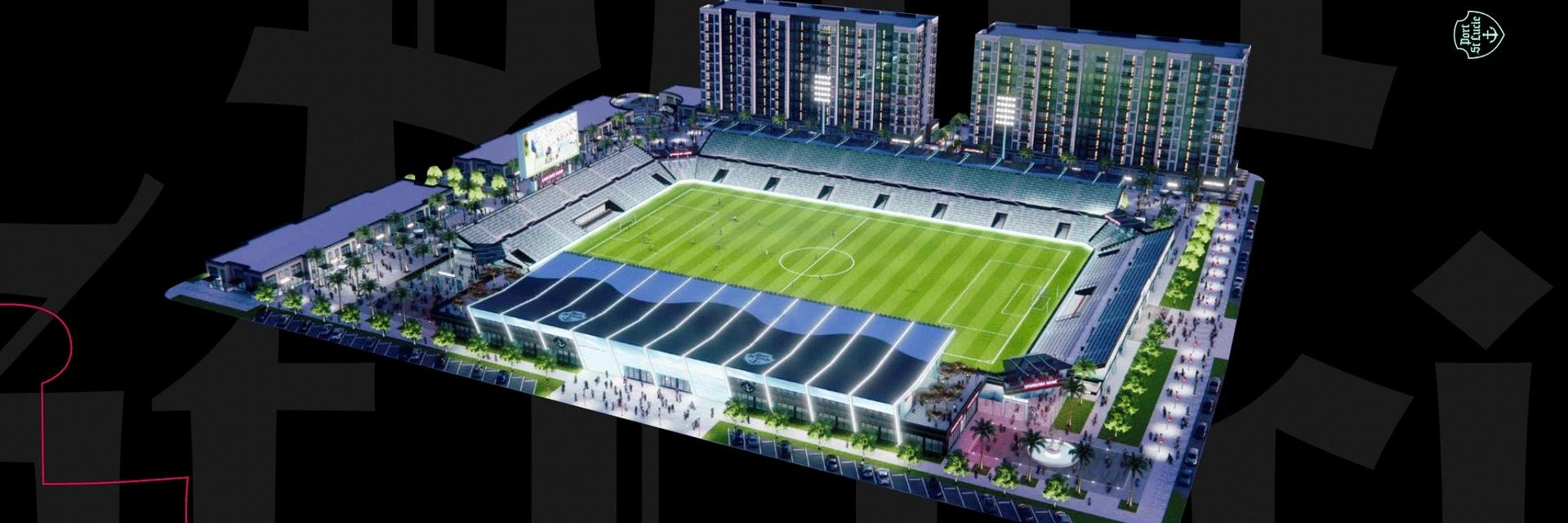
Several major initiatives — including the long-promised Port-de-Paix to Anse-à-Foleur road and the stalled Port-à-l’Écu International Airport project — remain unfinished or largely inactive years after being announced.
The deteriorating road network has isolated communities, disrupted trade and deepened economic hardship in one of Haiti’s most underserved regions. During heavy rains, roads often become impassable, cutting off access to hospitals, schools and markets.
Residents of coastal communities connecting Port-de-Paix to Anse-à-Foleur voice anger after five months of inactivity on the long-awaited road project.
For residents of Jean-Rabel, the route to Port-de-Paix — a trip that should take less than an hour — can stretch into days because of mud, flooding and severe road damage.
The Haitian Times previously documented ambulances and cargo trucks becoming trapped for hours or days along the corridor, sometimes while transporting critically ill patients.
Despite the optimism surrounding the project, many residents and local leaders question whether the allocated funding will be enough to complete durable construction.
Under the government’s plan, 50 million gourdes, or about $370,000, will be disbursed during the first year, followed by 77 million gourdes, or about $570,000, in the second year and more than 200 million gourdes, or roughly $1.5 million, in the final year.
“For the first time, the Jean-Rabel to Port-de-Paix road has been included in the national budget and will receive funding of 377 million gourdes.”
Angelot Oracius Joseph, Departmental Director of MTPTC
Officials acknowledged the budget would not fully cover paving a road with asphalt or concrete across the entire 28-mile corridor.
“After drainage canals and other infrastructure improvements are built, these $2.9 million would allow only about 6.2 miles of road to be completed in concrete or asphalt,” Oracius said.
In comparison, the government allocated $15 million in November 2024 to construct a 17-mile road connecting Port-de-Paix to the nearby communes of Saint-Louis-du-Nord and Anse-à-Foleur. Yet, this project’s completion has been stalled due to inadequate funding.
Residents fear the Jean-Rabel project could suffer the same fate as previous unfinished public works unless authorities increase funding and improve oversight.
Nearly two months after officials announced a restart and 20 years after it first started, residents see no activity at the Port-à-l’Écu International Airport construction site
“It is the right time for responsible members of the Jean-Rabel community to mobilize in order to prevent any misappropriation of these funds,” Oracius added.
Economic lifeline for the Northwest
The road is vital to the regional economy because it links farming communities in Jean-Rabel to the large markets in Port-de-Paix, the capital city of the Northwest Department.
Truck drivers say deteriorating conditions have sharply increased transportation costs, fuel expenses and vehicle repairs, while merchants report shortages and higher prices for agricultural products.
“We spent about a week on the road [at times] because of its terrible condition,” truck driver Junel Nelson said. “Rain, mud and water-filled holes often immobilized my truck. It’s a trip that should take less than an hour with a proper road.”
Travelers say transportation costs have also surged.
“We paid 2,500 gourdes for a trip that should cost less than $20,” said traveler Rénand Paul. “Sometimes the journey takes an entire day or even longer.”
Merchants in Port-de-Paix say products from Jean-Rabel often arrive late, damaged or in limited quantities.
“It is difficult to find products from Jean-Rabel on the market,” merchant Frénise Julien said. “What little arrives is expensive.”
Farmers say the poor road conditions also cause crops to spoil before reaching consumers.
“My products, such as bananas and vegetables, sometimes rot after spending several days on the road,” said farmer Belhomme Arné.
Calls for long-term planning
Residents and transportation advocates say the project must go beyond temporary repairs and become part of a broader development strategy for the Northwest.
“In the middle of the 21st century, leaders should not celebrate dirt roads as an achievement,” motorcycle taxi driver Elicène Marcelus said.
Others are urging the government to allocate enough funding each year to complete roughly 9 miles of paved road annually over the next three years.
“If the government truly wants this project completed, it must commit the necessary resources,” said resident Philippe Dorélus.
For now, many residents remain cautiously hopeful — but skeptical after years of unfulfilled promises and incomplete infrastructure projects across the Northwest.