


Children spend a surprising amount of their day moving from one structured moment to another. They arrive at school, settle into lessons, follow instructions, move between activities and eventually head home to another routine.
For younger children, especially, sitting still and concentrating for long periods does not always come naturally. They want to stretch, move, talk, explore and use their imagination.
That is one reason schools and nurseries are looking beyond traditional classroom activities when planning their wider wellbeing programmes. Movement sessions, simple breathing exercises, stories, music and playful yoga can give children a different kind of experience without turning the day into another lesson.
The important part is making those activities feel appropriate for children. A session designed for adults cannot simply be shortened and expected to hold the attention of a room full of five-year-olds.
Children need something they can become part of.
Children’s Yoga Doesn’t Need to Look Like Adult Yoga
Mention yoga and many adults picture a quiet studio where everybody follows a sequence of poses.
A children’s session can look very different.
There may still be recognisable yoga movements, but they can sit alongside stories, games, music and imaginative play. A pose can become an animal. A movement can become part of an adventure. A breathing exercise can be introduced through a simple game rather than a lengthy explanation.
This matters because young children usually learn best when they are involved rather than simply being told what to do.
They don’t necessarily need to understand the name of every movement or the theory behind it. If they are listening, copying, imagining and moving with the group, they are already participating.
For schools considering school yoga Dubai activities, the quality of that experience matters more than trying to make children perform perfect poses.
The session needs to suit the age of the group and the environment in which it is being delivered.
Age Makes a Big Difference
A nursery group and a class of nine-year-olds should not be given exactly the same session.
Very young children often respond well to short activities with plenty of changes. They might copy an animal movement for a few minutes, listen to a short story and then move into a simple game.
Expecting them to remain focused on one sequence for a long time is likely to make the session harder than it needs to be.
Older children can usually follow more detailed instructions. They may enjoy remembering a sequence, working with a partner or trying a balance challenge.
The language can change too.
A three-year-old might be asked to stretch like a tall tree. An older child can understand more about balance, breathing and paying attention to how a movement feels.
Neither approach is better. They simply belong to different stages of childhood.
Movement Can Fit Into an Ordinary School Day
A wellbeing activity doesn’t always need its own large event.
Sometimes a short session can fit naturally into an existing school day.
Children might have spent the morning concentrating in class and benefit from moving before the next activity. A school could include a longer session during a wellbeing week or use movement as part of an after-school programme.
There are plenty of possibilities.
What matters is that the activity has a reason for being there. Schools don’t need to add yoga simply because wellbeing has become a popular word. It should give children something useful and enjoyable that complements the rest of their day.
This also means teachers and organisers need to consider practical details.
How much space is available? How large is the group? Will children need to change clothes? How long can they realistically stay engaged?
A thirty-minute session that children enjoy is more worthwhile than stretching an activity to an hour because that looked better on the timetable.
Nurseries Need an Even More Playful Approach
Working with nursery-age children brings its own challenges.
A group of toddlers or preschoolers can be wonderfully enthusiastic, but their attention can move quickly. One child may copy every movement while another is fascinated by something happening on the other side of the room.
That is normal.
Good early-years activities leave room for those differences.
When families or early-years providers hear the phrase nursery yoga Dubai, they should not expect a miniature version of an adult yoga class.
At this age, movement can be woven into stories, sounds, characters and imagination. Children might pretend to be animals, reach towards an imaginary object or copy a simple movement demonstrated by an instructor.
The activity remains playful while giving the group an opportunity to move together.
Imagination Keeps Children Interested
Children are very good at turning simple ideas into entire worlds.
A cardboard box becomes a spaceship. A blanket becomes a cave. A few cushions can suddenly be an obstacle course.
Well-designed movement sessions can use the same instinct.
Instead of asking a young child to repeat a technical sequence, the instructor can give the movement a purpose inside a story. Perhaps the group is travelling through a forest, meeting animals or crossing an imaginary river.
Suddenly the activity is not about completing an exercise.
The child wants to know what happens next.
Characters can work particularly well for the same reason. They give children something recognisable to follow and can help turn an unfamiliar activity into a game.
This doesn’t require complicated equipment. Often the instructor’s ability to tell a story and respond to the children is more important than an elaborate setup.
Not Every Child Has to Participate in the Same Way
Group activities can sometimes create pressure without adults intending it.
One child confidently moves to the front. Another stays near a teacher. Someone copies every movement, while somebody else watches for several minutes before joining.
All of those responses can be normal.
Children have different personalities and different levels of confidence in groups. A wellbeing activity should not become another situation where a hesitant child feels they have failed because they didn’t participate immediately.
Giving children a little space can help.
A child who watches the first game may join the second. Someone who doesn’t want to demonstrate a movement alone may happily do it with the whole group.
Participation does not always have to look identical.
Teachers and Activity Leaders Need to Work Together
Outside activity providers can bring fresh ideas into a school, but the regular teaching staff know the children.
That knowledge is valuable.
Before a session, it helps to discuss the age group, approximate number of children and any practical considerations that may affect participation.
Teachers can also help with transitions. They know which children may need a little encouragement and which ones are likely to become overexcited.
The activity leader, meanwhile, brings the structure and experience of delivering the session.
When both sides understand their roles, the experience tends to feel much more natural for the children.
Wellbeing Should Still Be Enjoyable
There is a temptation to make children’s wellbeing sound very serious.
For adults, words such as mindfulness, emotional wellbeing and self-awareness can come with long explanations. Children don’t necessarily need those explanations to have a positive experience.
They can simply enjoy moving, laughing, listening to a story and trying something different with their friends.
That enjoyment matters.
If a child associates movement and calm activities with something pleasant rather than another obligation, they may be more willing to return to them later.
The session doesn’t need to feel educational every second in order to have value.
Sometimes children learn most when nobody has stopped the activity to tell them that they are learning.
A Change of Environment Can Make the Session Feel Special
Children notice when something different is happening in their normal routine.
Moving from the classroom to a hall, activity room or shaded outdoor space can immediately change the mood. Even when the session takes place in the usual classroom, moving tables aside and creating an open area can make it feel different from an ordinary lesson.
The space doesn’t have to be perfect.
What matters is having enough room for children to move safely without constantly bumping into furniture or one another. Smaller groups naturally need less space, while larger classes may require a hall or another open area.
A familiar environment can actually help younger children. They already know the room, the teachers and the other children, so there is less to process before joining the activity.
Special School Days Offer More Opportunities
Not every yoga or movement session needs to become a weekly programme.
Schools and nurseries have plenty of occasions throughout the year when a different activity can fit naturally into the calendar.
Wellbeing days are an obvious example, but there are other possibilities. A movement session might form part of an after-school activity, a themed week or a special school event.
The format can change according to the occasion.
A regular programme may gradually introduce familiar movements and routines. A one-off event needs to work differently because children may be experiencing the activity for the first time.
Both can be enjoyable when expectations are clear from the beginning.
The important thing is avoiding an activity that feels as though it has simply been added to fill an empty space in the timetable. Children respond much better when the session has a clear purpose and the adults delivering it are genuinely engaged.
Keep Instructions Short
Adults can listen to several minutes of explanation before beginning an activity.
Young children usually would rather begin.
Long instructions can make a very simple game sound complicated. By the time the explanation finishes, some children have already started looking elsewhere.
Demonstration often works better.
Show the movement, let children copy it and explain the next part once they are ready. If there are several stages, introduce them gradually instead of explaining everything at once.
This gives children an early feeling that they can do the activity.
Language should also match the age group. Technical descriptions aren’t necessary when a simple image does the job. “Stand tall like a tree” is easier for a young child to understand than a detailed explanation about body positioning.
The activity can become more sophisticated as children get older.
Give Children Choices Without Losing Structure
A structured session doesn’t mean children can never make decisions.
Small choices can make them more involved.
They might choose which imaginary animal comes next in a story. An instructor could offer two movements and let the group decide which one to try. Older children may suggest a variation of a game once they understand how it works.
These choices don’t have to change the whole session.
They simply give children some ownership of what is happening.
There still needs to be a clear leader. A room full of children deciding independently what to do next can become chaotic very quickly.
The balance is giving them a voice while keeping enough structure for everyone to participate together.
Activities Can Continue Beyond the Session
One useful sign of an engaging children’s activity is that children talk about it afterwards.
They might repeat a movement for their parents, remember a character from a story or show a friend something they learned.
Teachers can build on this without turning it into homework.
A familiar movement could be repeated briefly another day. A breathing activity might become something the class recognises. Younger children could draw a character or scene they remember from the session.
These small connections can make a one-off experience feel less isolated.
There is no need to recreate the entire activity. Sometimes remembering one enjoyable part is enough.
Children’s Activities Don’t Have to Stay Inside School
The same basic principles that make an activity enjoyable in a school setting can work elsewhere.
Children still want to participate. They still respond to stories, movement and imagination. They still need activities that suit their age rather than being simplified versions of something designed for adults.
What changes is the setting and the reason everyone has come together.
At a school, the activity may support a wellbeing day or wider programme. At a birthday, the emphasis naturally shifts towards celebration and having fun with friends.
This is where families comparing birthday party packages Dubai may find it useful to look beyond the usual entertainment formats. A party can include movement, games and imaginative activities without feeling like a lesson.
Children don’t necessarily separate these experiences into categories in the way adults do.
If they are moving, laughing and doing something with friends, they are likely to think of it simply as fun.
The Person Leading the Activity Matters
A good activity on paper can fall flat if the person delivering it cannot connect with the group.
Children notice enthusiasm quickly.
They also notice when an adult is simply moving through a prepared programme without responding to what is happening in the room.
Working with children requires flexibility. One group may be ready to participate immediately. Another may need a playful introduction before everyone feels comfortable.
Sometimes a planned activity simply doesn’t catch their interest.
An experienced leader can recognise that and move on rather than insisting on finishing every part of the original plan.
This is particularly important with mixed personalities. Confident children shouldn’t dominate every activity, while quieter children shouldn’t be pressured into performing alone.
The goal is to bring the group together without expecting every child to behave in exactly the same way.
Familiarity Can Help Children Join In
Children often become more confident once they recognise what is coming.
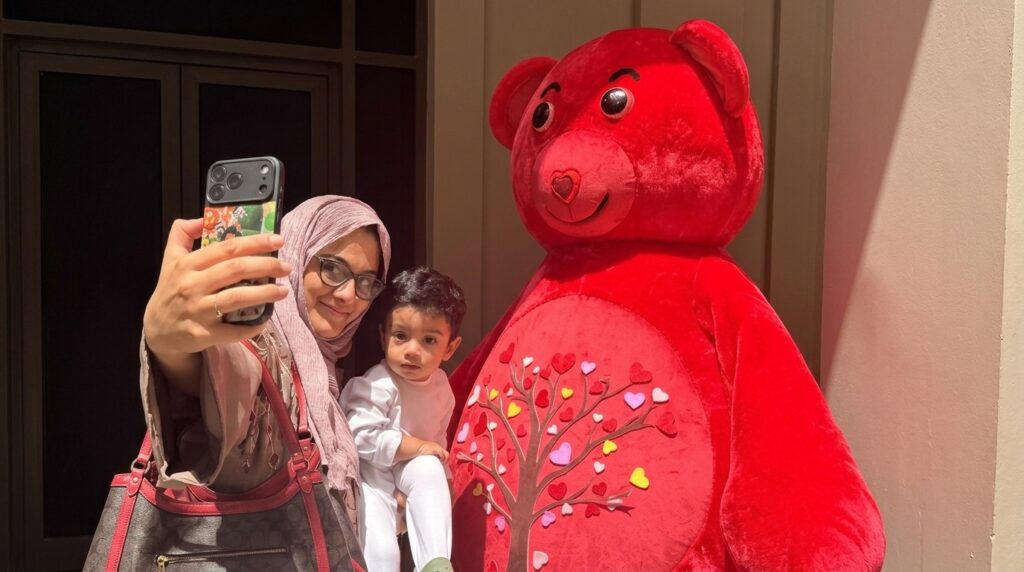
A repeated greeting, familiar character or simple opening movement can create that feeling quickly.
For regular programmes, this happens naturally over time. Children remember what they did previously and begin anticipating their favourite parts.
One-off sessions can use familiarity too.
A story may involve animals children already know. Music can give them an easy way into an activity. Simple movements can be repeated several times so nobody feels they have fallen behind.
This is particularly useful with younger age groups.
New experiences are exciting, but having something recognisable inside them can make participation easier.
Keep Competition in Perspective
Competition can be fun for children, especially as they get older.
It doesn’t need to appear in every activity.
When everything has a winner, some children begin focusing more on the result than on the experience. Others may stop participating because they don’t expect to win.
Movement and wellbeing sessions offer plenty of opportunities to do things differently.
A group can complete a story together. Children can copy movements without anybody being declared the best. A balance challenge can be about trying again rather than staying upright longer than everyone else.
There is still room for playful challenges.
The difference is that success doesn’t always need to mean beating another child.
Parents Can Be Part of the Conversation
For school and nursery activities, parents may not be present during the session, but it can still be useful for them to understand what their children have been doing.
This doesn’t require a long explanation.
A short update can tell families what type of activity took place and give children an easy conversation starter when they get home.
Parents may then hear a very different version from their child.
One child remembers pretending to be an animal. Another remembers the music. Someone else talks only about the funny moment when everybody lost their balance.
Those different memories are a good reminder that children can experience the same session in very different ways.
Don’t Expect Perfection
Anyone working with children knows that the original plan and the actual session will not always look identical.
Someone gets distracted. Another child wants to tell a story in the middle of an activity. A game that normally works brilliantly gets very little reaction from one particular group.
That isn’t necessarily a failed session.
Children are unpredictable, and part of working well with them is responding to what is happening rather than trying to force everything back onto a timetable.
The same applies to the children themselves.
A yoga activity is not a performance where every pose needs to look perfect. Younger children in particular may interpret a movement in their own way.
If they are safely participating and enjoying the experience, correcting every small detail can take away the very thing that made them interested.
Making Wellbeing Feel Like Part of Childhood
Children hear plenty of instructions during an ordinary day.
Sit down. Pack away. Finish this. Wait there. Get ready for the next activity.
A movement or wellbeing session can offer something slightly different. There is still structure, but there is also room to imagine, stretch, laugh and try something unfamiliar.
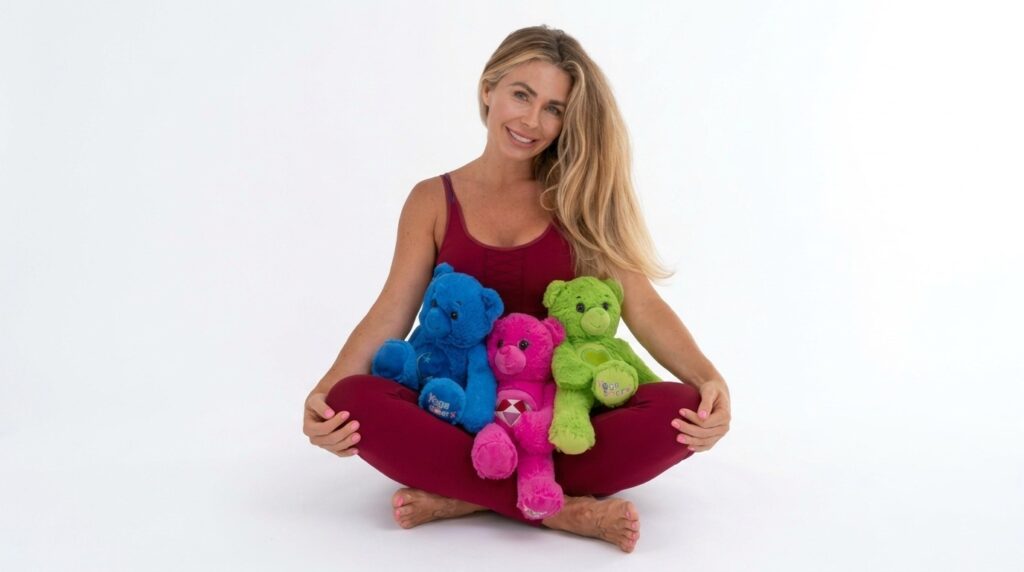
That is where programmes such as YogaBears have an interesting place. By combining child-friendly movement with characters, stories and playful activities, the experience can feel less like another formal task added to the timetable.
Schools and nurseries don’t need to turn every wellbeing idea into a major programme. Families don’t need to make every children’s activity educational either.
Sometimes giving children a different way to move, play and participate is enough.
When the activity suits their age, allows different personalities to join comfortably and is led by someone who understands children, even a relatively simple session can become one of the parts of the day they are excited to talk about afterwards.
Final Thoughts
Children don’t need every activity to feel like another lesson. They need opportunities to move, imagine, laugh and try something new in a setting where they feel comfortable taking part. This is where YogaBears brings a different approach, combining yoga-inspired movement with stories, characters and playful experiences designed around children. Whether the setting is a school, nursery or special celebration, the most meaningful sessions are often the ones children simply remember as a good time with their friends.
Do follow UAE Stories on Instagram.
You might also like: 13 Sky-High Rooftop Bars and Restaurants in Dubai for Your Next Night Out
