

In this article
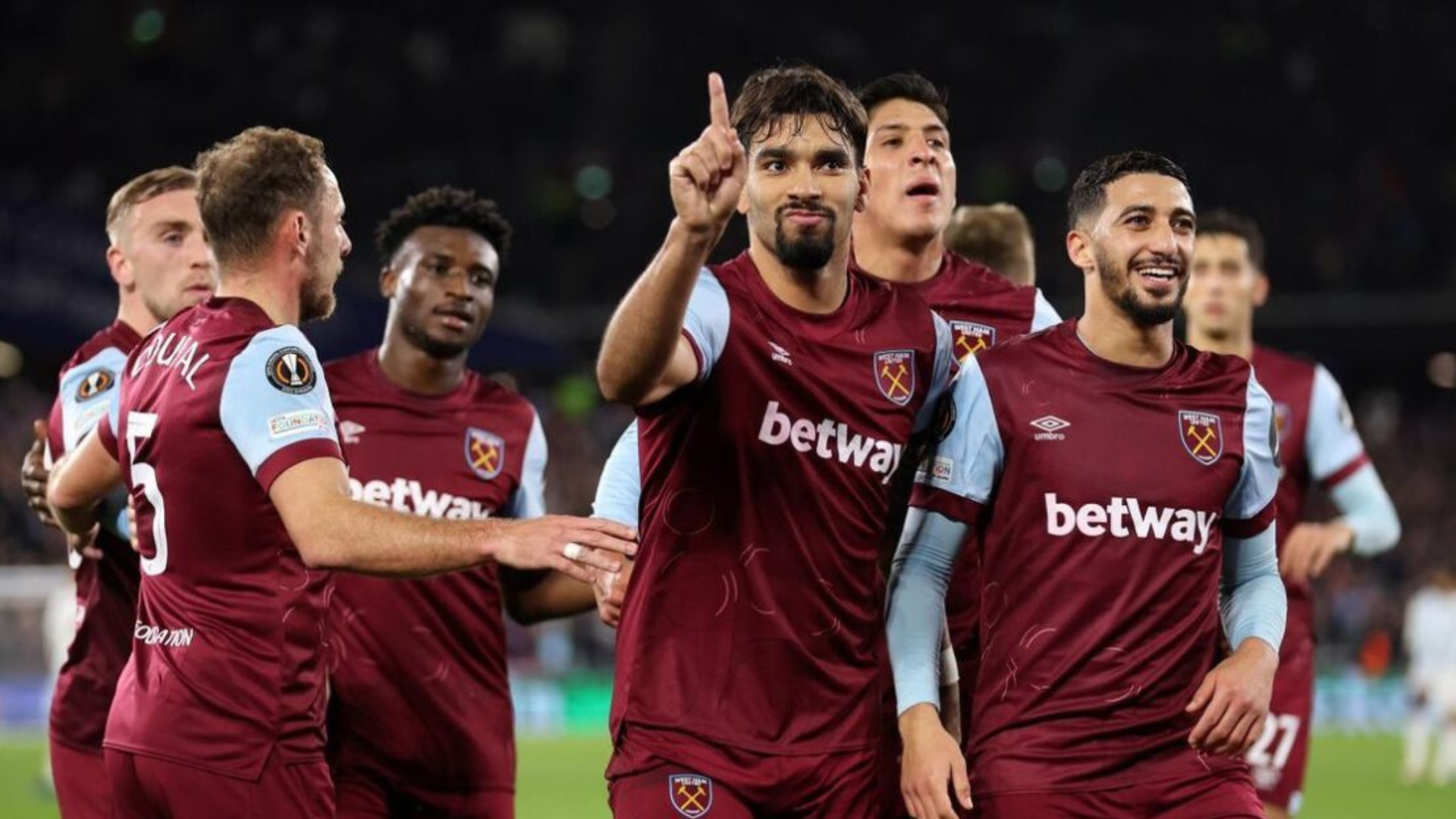
The Premier League front-of-shirt sponsorship ban arrives in the 2026-27 season, ending an era in which certain operators occupied English football’s most visible commercial real estate. In April 2023, Premier League clubs collectively agreed to prohibit such brands from being front-of-shirt sponsors in a voluntary move, the first of its kind in UK sports leagues.
The question now facing clubs, sponsors and commercial teams across the sport is not whether the ban represents progress, but whether it represents genuine change at all.
The Numbers Behind the Premier League Front-of-Shirt Ban
The decision responded to mounting political and public pressure. The shift has been swift. The sponsorship landscape has changed, with clubs turning to alternative commercial partners. Three Premier League clubs currently operate without any front-of-shirt partner, a commercial gap that would have been unthinkable even five years ago.
Yet the operators have not disappeared. They have relocated.
From Chest to Sleeve: The Pivot Continues
Unable to occupy the front of the shirt, operators have secured alternative inventory. The logos remain visible during broadcasts, matchday photographs and social media posts. The regulatory box is ticked. The exposure continues.
Source: British GQ
Across the division, brands have secured secondary positions:
- Sleeve sponsorships – smaller, but still prominent in broadcast close-ups
- Training kit partnerships – visible in pre-match footage and behind-the-scenes content
- LED perimeter boards – rotating throughout matches
- Digital and social partnerships – maintaining brand association without shirt presence
The commercial infrastructure that made such sponsorship so attractive to clubs – the high fees, the long-term commitments, the ease of activation – has simply been repackaged.
The EFL Remains Open for Business
Beneath the Premier League, the landscape is unchanged. The English Football League continues to permit front-of-shirt sponsorship across the Championship, League One and League Two. For clubs operating on tighter margins, the revenue remains essential.
This creates a two-tier system. A club promoted to the Premier League must terminate or restructure its front-of-shirt arrangement. A relegated club can sign one again. The message to fans – that such sponsorship is harmful at the top level but acceptable one division below – is incoherent at best.
For commercial decision-makers in the UAE and wider Gulf region, the Premier League’s repositioning offers a case study in regulatory adaptation. As sponsorship strategies evolve globally, brands must anticipate not only where logos can appear, but where attention actually flows.
The lesson from the Premier League front-of-shirt ban is that visibility is fungible. Operators have not exited football – they have diversified their presence. In markets where sponsorship regulation is tightening, the same principle applies: value lies not in a single asset, but in a portfolio of touchpoints.
For organisations exploring premium sports partnerships – whether in European football, Formula 1, or UFC – the shift underscores the importance of flexible, multi-channel activation. The front of the shirt is powerful. It is not the only space that matters.
Has Anything Actually Changed?
The Premier League front-of-shirt ban will remove logos from the most prominent position in English football. It will not remove brands from English football.
Operators remain embedded as official partners, sleeve sponsors, training kit backers and digital affiliates. Their budgets have not disappeared. Their desire for football’s audience has not diminished. The regulatory environment has shifted. The commercial relationship endures.
For clubs, the challenge now is replacing that front-of-shirt revenue without sacrificing brand equity. For sponsors, it is maintaining visibility within new constraints. And for the Premier League itself, the question remains whether this represents a meaningful step toward safer messaging – or simply a cosmetic relocation of the same logos to a slightly less visible position.
The answer, most likely, lies somewhere on the sleeve.

