The UAE OPEC exit economic strategy marks a defining shift in the nation’s long-term vision, opening the door to greater control over hydrocarbon production and enabling a broader transformation of its economy. By stepping away from production quotas, the UAE is positioning itself to maximise its natural resource potential while accelerating investments in renewable energy, infrastructure, and advanced technologies.
For decades, the UAE has operated within the constraints of coordinated oil production policies. While these frameworks helped stabilise global markets, they also limited the country’s ability to fully utilise its growing production capacity. Now, with those constraints lifted, the UAE is entering a new phase—one that prioritises independence, resilience, and forward-looking economic planning.
A Strategic Break from Constraints
UAE OPEC Exit reflects more than a shift in oil policy; it represents a strategic recalibration of the UAE’s economic model. The country has long pursued a vision of becoming a diversified, knowledge-driven economy. However, achieving that vision requires financial flexibility and the ability to generate higher revenues from its core resources.
Without production limits, the UAE can increase output in line with global demand, potentially reaching ambitious production targets faster. This increased output translates into higher revenues, which can be reinvested into sectors that drive long-term growth. From advanced manufacturing to artificial intelligence, the country is aligning its energy policy with its broader economic ambitions.
This move also underscores a growing recognition that global energy markets are evolving. Traditional alliances and frameworks are being tested by geopolitical tensions, technological advancements, and changing demand patterns. By stepping out of OPEC, the UAE is positioning itself to adapt more quickly to these shifts.
Revenue Growth as a Catalyst for Transformation
Higher hydrocarbon revenues are central to the UAE’s new economic playbook. These funds are not simply intended to boost short-term gains; they are being channelled into transformative projects that will shape the country’s future.
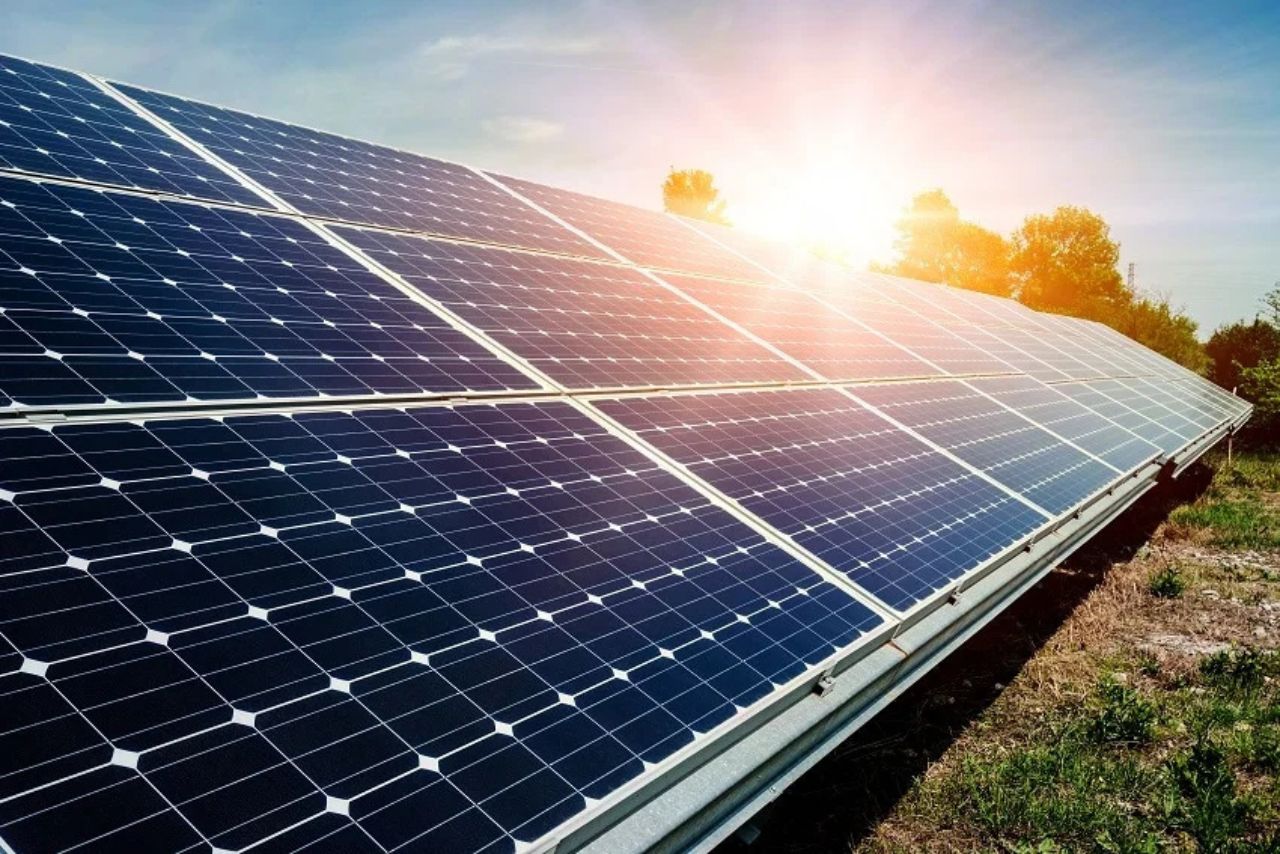
One key area of investment is renewable energy. The UAE has already established itself as a regional leader in clean energy initiatives, and increased revenues will allow it to expand these efforts. Solar, wind, and hydrogen projects are expected to receive significant funding, supporting the country’s commitment to sustainability and carbon reduction.
At the same time, the UAE is investing heavily in infrastructure. Ports, logistics networks, and industrial zones are being developed to strengthen its position as a global trade hub. These investments are designed to create a resilient economy that can thrive even as global energy dynamics change.
Strengthening Energy Security Through Infrastructure
Geopolitical tensions in the region have highlighted the importance of energy security. The Strait of Hormuz, a critical chokepoint for global oil and gas supplies, has become increasingly vulnerable to disruptions. In response, the UAE is exploring ways to ensure uninterrupted energy exports.
Pipeline projects that bypass the strait are a key component of this strategy. Expanding existing networks and developing new routes will allow the UAE to transport oil and gas directly to global markets without relying on potentially unstable waterways. This not only enhances security but also increases the reliability of supply, making the UAE a more attractive partner for international buyers.
Such infrastructure investments are not limited to pipelines. Storage facilities, export terminals, and refining capabilities are also being expanded to support higher production levels. Together, these developments create a robust energy ecosystem that can withstand external shocks.
Diversification Beyond Oil
While hydrocarbons remain a cornerstone of the UAE economy, the country has made significant progress in diversifying its income streams. The exit from OPEC is expected to accelerate this process by providing additional financial resources and strategic flexibility.
Sectors such as tourism, finance, technology, and logistics are already contributing substantially to the economy. With increased funding, these industries can expand further, creating new opportunities for growth and employment. The UAE’s focus on innovation and digital transformation is particularly noteworthy, as it seeks to position itself as a global leader in emerging technologies.
Education and human capital development are also key priorities. By investing in skills and knowledge, the UAE is preparing its workforce for the demands of a rapidly changing global economy. This holistic approach ensures that economic growth is both sustainable and inclusive.
Navigating Short-Term Challenges
Despite the long-term benefits, the UAE’s exit from OPEC comes at a time of heightened geopolitical uncertainty. Regional conflicts and disruptions to energy supply chains have created a volatile environment for oil markets. In the short term, these factors may limit the immediate impact of the policy shift.
Production levels may take time to recover fully, particularly in light of ongoing tensions that affect export routes and infrastructure. However, the UAE has demonstrated a commitment to maintaining market stability. Officials have emphasised that the country will continue to act as a responsible producer, balancing supply and demand to avoid unnecessary volatility.
This measured approach reflects the UAE’s understanding of its role in the global energy system. While it seeks greater independence, it also recognises the importance of cooperation and stability in maintaining market confidence.
Aligning with Global Energy Trends
The global energy landscape is undergoing a profound transformation. The rise of electric vehicles, the rapid adoption of renewable energy, and increasing emphasis on sustainability are reshaping demand for oil and gas. The UAE’s decision to leave OPEC can be seen as a response to these trends.
By maximising its production capacity now, the UAE can capitalise on current demand while preparing for a future where hydrocarbons play a reduced role. The revenues generated during this period can be invested in alternative energy sources and technologies, ensuring a smooth transition to a more sustainable economy.
This forward-thinking approach sets the UAE apart from many other energy producers. Rather than resisting change, the country is embracing it, using its resources to build a foundation for long-term success.
Economic Outlook and Growth Potential
The UAE’s economic outlook remains strong, supported by both oil and non-oil sectors. Increased production capacity and higher energy prices are expected to drive significant growth in the oil economy. At the same time, ongoing diversification efforts will continue to strengthen the non-oil sector.
This dual growth strategy provides a balanced and resilient economic model. By reducing dependence on a single source of income, the UAE is better equipped to navigate global uncertainties. The combination of strong fundamentals, strategic investments, and policy flexibility positions the country for sustained growth in the years ahead.
A New Era of Economic Independence
The UAE’s exit from OPEC marks the beginning of a new era in its economic journey. Freed from production quotas, the country has the opportunity to redefine its role in the global energy market and accelerate its transformation into a diversified, innovation-driven economy.
This move is not without risks, but it reflects a calculated and forward-looking strategy. By leveraging its strengths and investing in its future, the UAE is laying the groundwork for long-term prosperity.
Conclusion
The UAE OPEC exit economic strategy is a bold and transformative step that aligns with the nation’s broader vision for growth and sustainability. By unlocking greater control over its energy resources, the UAE is creating new opportunities for investment, innovation, and economic diversification.
As the global energy landscape continues to evolve, the UAE’s proactive approach positions it as a leader in navigating change. With a clear focus on resilience, sustainability, and long-term value creation, the country is charting a path toward a dynamic and prosperous future.
Do follow UAE stories on Instagram
Read more- Abu Dhabi Pre-Summer Bucket List: Best Outdoor Plans