Each day, the human body performs countless tasks that keep life going, many of which happen without awareness or effort. From the rhythmic beating of the heart to the constant flow of blood and the steady exchange of air in the lungs, these essential processes form the foundation of human survival.
Together, they create a sophisticated system of blood circulation and lung function that fuels every muscle, organ, and cell with oxygen and nutrients.
Science has uncovered astonishing details about these daily operations. Even at rest, the body’s internal machinery remains in motion, maintaining balance and energy through precise biological coordination. The heart, blood, and lungs serve as one of the most impressive examples of this teamwork.
How the Heart Works Every Day
The heart operates as the engine of the body’s circulatory system, pumping blood continuously to sustain all organs. On average, the heart beats about 100,000 times per day, moving nearly 7,500 liters of blood through arteries, veins, and capillaries.
Each heartbeat is triggered by electrical impulses that direct contractions in a specific rhythm, an elegant pattern that allows oxygen-rich blood to reach every part of the body.
The heart’s structure includes four chambers: two atria and two ventricles. The right side handles deoxygenated blood, sending it to the lungs for oxygenation, while the left side receives fresh oxygenated blood and pushes it through systemic circulation.
It’s a process so efficient that the entire volume of blood in the body circulates roughly once per minute.
Interestingly, emotional and physical states can momentarily influence heart rate. Feelings of stress or excitement activate the body’s sympathetic nervous system, increasing heartbeats, while calm or rest activates the parasympathetic system, slowing them down. This delicate balance helps maintain proper blood circulation depending on activity or mood.
How Blood Circulates Through the Body
Every second, human blood travels through an intricate network estimated at more than 60,000 miles in total length, enough to circle the Earth more than twice. This ongoing blood circulation supplies every cell with oxygen and essential nutrients while removing waste products like carbon dioxide.
The composition of blood is a scientific marvel:
- Red blood cells carry oxygen from the lungs to tissues.
- White blood cells defend against infections.
- Platelets assist with clotting in case of injury.
- Plasma, the fluid component, transports hormones, proteins, and electrolytes.
Apart from oxygen delivery, blood circulation has countless side benefits. It helps regulate body temperature, maintain pH balance, and support immune defense. Without this nonstop movement, tissues would be deprived of oxygen and energy, leading to immediate collapse of normal functions.
Approximately 2.4 million red blood cells are produced in the body every second to keep up with the demand for oxygen transport, a reminder of how dynamic human biology truly is.
How the Lungs Function
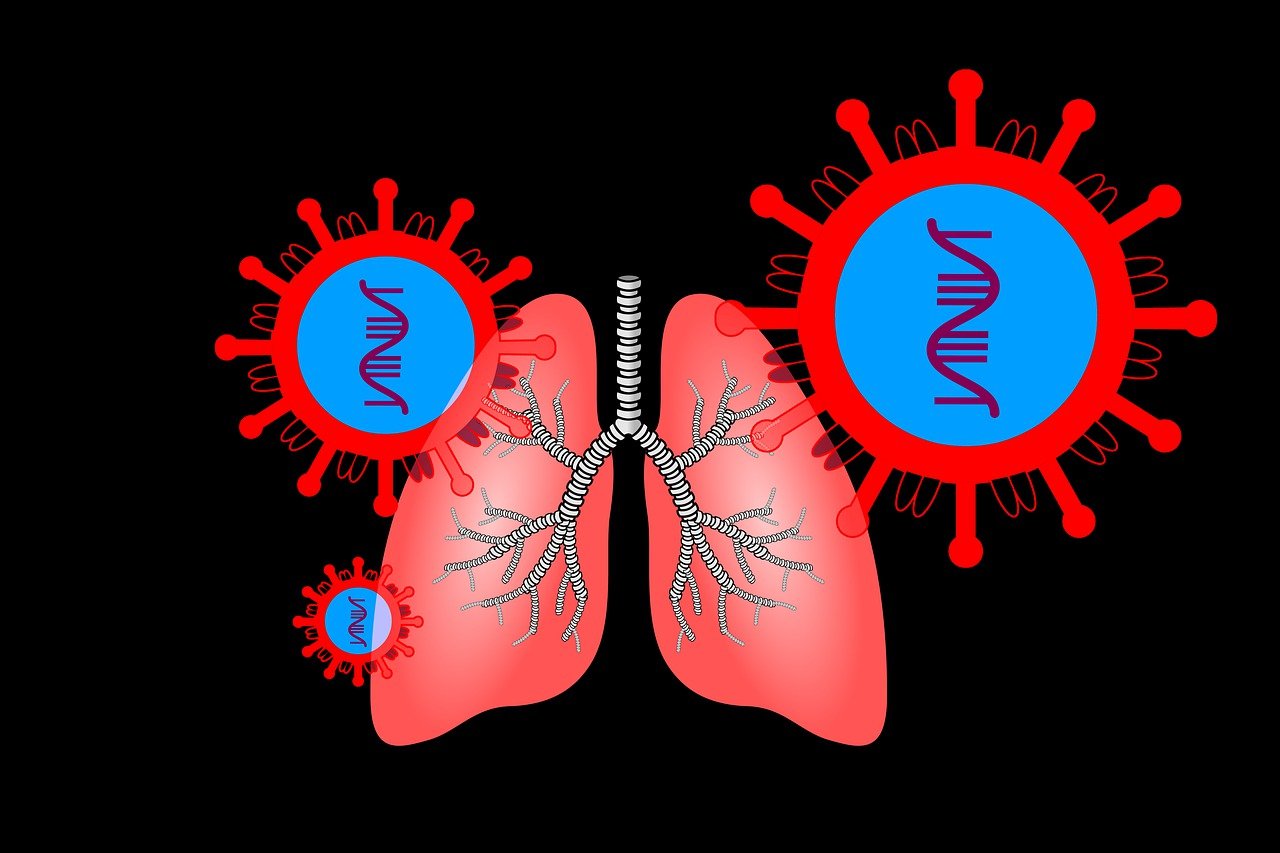
The lungs are the body’s air exchange centers, responsible for breathing and oxygen transfer. Each day, a person breathes about 20,000 times, allowing nearly 11,000 liters of air to move in and out of the chest cavity. This repetitive action sustains lung function and powers blood oxygenation.
Air travels through the trachea and bronchi before reaching tiny air sacs called alveoli, where gas exchange occurs. These microscopic sacs, about 300 million in total, allow oxygen to enter the blood while carbon dioxide leaves it. From there, oxygen-rich blood returns to the heart, which pumps it through the body, according to Cleveland Clinic.
The lungs work closely with the diaphragm, a sheet of muscle that contracts with every breath. When the diaphragm moves downward, the chest cavity expands and draws air inward; when it relaxes, air is pushed out. This simple cycle supports cellular respiration and provides the oxygen needed for energy production.
Healthy lung function depends largely on clean air, exercise, and hydration. Smoking, pollution, or inactivity can reduce the lungs’ capacity, limiting oxygen intake and placing strain on the heart and overall blood circulation.
The Connection Between Heart and Lungs
Though separated anatomically, the heart and lungs operate as one integrated team known as the cardiopulmonary system. When oxygen enters the lungs, it binds to hemoglobin molecules in red blood cells. The heart then pumps these oxygen-loaded cells through arteries, supplying the body with the fuel for life.
This partnership also works in reverse. As cells use oxygen, they produce carbon dioxide, which the blood transports back to the lungs. There, the waste gas is expelled with each exhale, completing a perfect exchange loop between blood circulation and lung function.
During physical activity, the heart beats faster and the lungs work harder. The synchrony between them increases oxygen delivery and removes carbon dioxide more quickly, allowing the body to sustain movement and maintain temperature. It’s a striking display of physiological teamwork that scientists continue to study in detail.
What Happens When Blood Circulation or Lung Function Is Interrupted
Interruptions in blood circulation or lung function can have immediate and serious effects. If blood flow is blocked, through a clot, heart failure, or vascular disease, oxygen deprivation begins within seconds. Brain cells, which are highly dependent on oxygen, start to deteriorate almost instantly, as per the World Health Organization.
Similarly, poor lung function prevents efficient oxygen exchange, leading to shortness of breath, fatigue, and reduced oxygen levels in the blood. Chronic respiratory conditions such as asthma, bronchitis, or pulmonary fibrosis compromise blood circulation by limiting the oxygen supplied to the heart and vital organs.
Scientific research continuously explores ways to protect and restore healthy blood circulation and lung function. Preventive habits, like regular aerobic exercise, a balanced diet, and avoiding tobacco, play measurable roles in keeping these systems efficient.
Amazing Scientific Facts About Your Heart, Blood, and Lungs
The human body contains details so intricate that even advanced scientific study continues to uncover new wonders. Here are several fascinating facts supported by anatomy and physiology research:
- The heart creates enough pressure to squirt blood nearly 30 feet in distance.
- The body’s blood circulation covers an estimated 60,000 miles of vessel pathways.
- The lungs weigh about 1.3 kilograms together and contain hundreds of millions of alveoli for gas exchange.
- Every minute, the heart pumps roughly 5 liters of blood, ensuring each cell receives oxygen.
- During intense exercise, lung function can increase oxygen intake up to 15 times compared to rest.
These scientific realities highlight just how active and complex the body truly is, even during sleep.
Your Body’s Hidden Power: The Unsung Work of the Heart, Blood, and Lungs
Every moment, the body relies on a perfect sequence of rhythmic motion, the heart beating, the blood circulating, and the lungs breathing.
Their cooperation keeps oxygen levels balanced and energy flowing to sustain physical and mental activity. Understanding these processes isn’t just fascinating science, it’s a reminder of the natural precision built into human design.
By supporting healthy blood circulation and lung function through simple daily habits, individuals can strengthen the invisible systems that keep them alive and thriving. Regular movement, hydration, proper rest, and mindful breathing empower the heart and lungs to perform their continuous miracle.
Behind every heartbeat and breath lies a symphony of life processes, proof of how much the body accomplishes every day without pause.
Frequently Asked Questions
1. Why does the heart rate increase during exercise?
During physical activity, muscles require more oxygen, so the heart pumps faster to circulate oxygen-rich blood more efficiently throughout the body.
2. Can lung capacity improve with training?
Yes. Regular aerobic exercise and deep breathing practices can enhance lung function by strengthening respiratory muscles and improving oxygen intake efficiency.
3. What causes poor blood circulation in healthy adults?
Factors like prolonged sitting, dehydration, and poor diet can slow blood circulation by reducing vessel elasticity and limiting oxygen flow.
4. How does stress affect your heart and lungs?
Stress triggers hormones that raise heart rate and breathing speed. Over time, chronic stress can strain the heart, disrupt healthy blood circulation, and reduce optimal lung function.