SBS and NITV Honour NAIDOC Recognition for Trailblazing Cultural Leader Rhoda Roberts AO
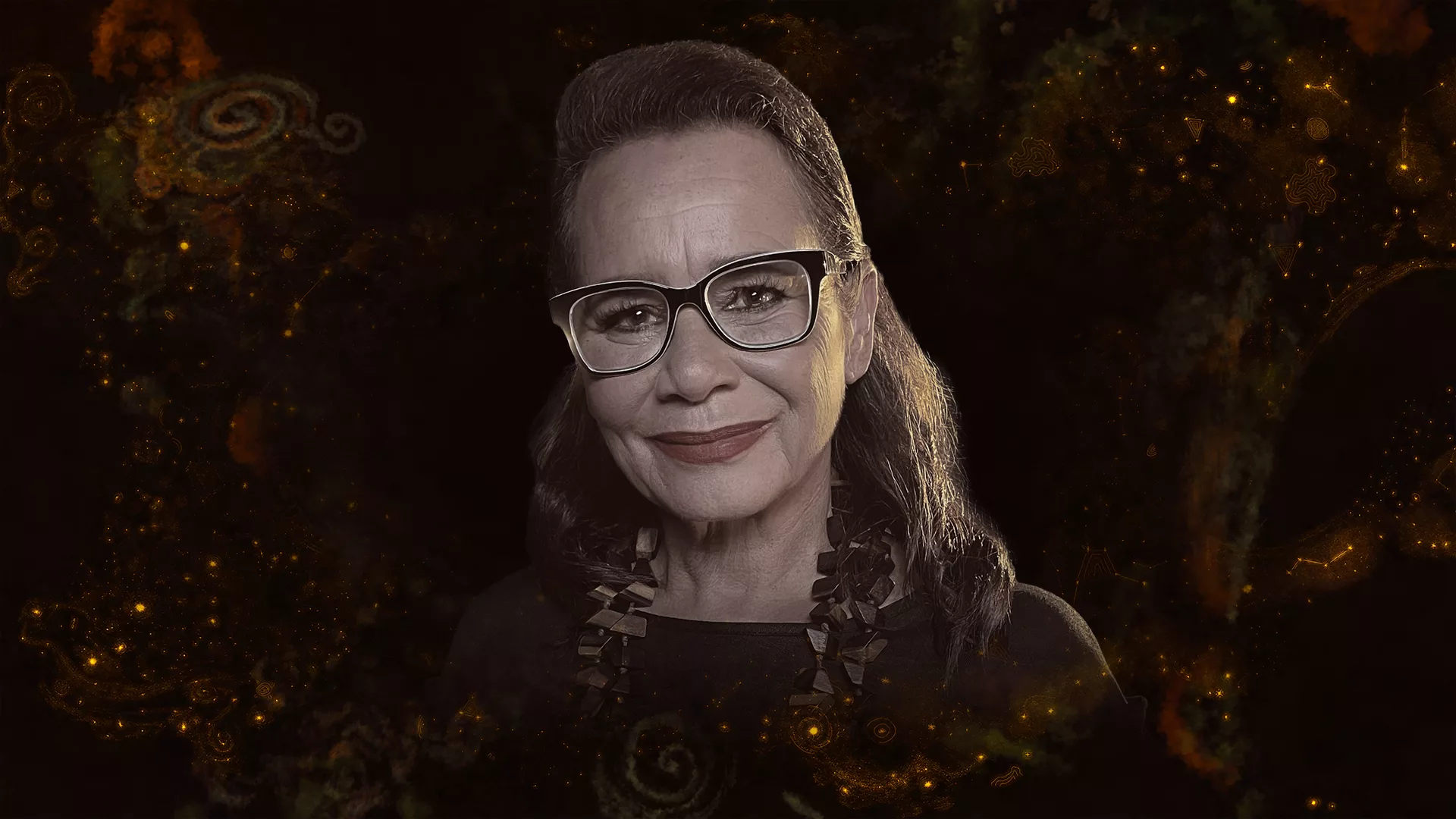
The legacy of pioneering First Nations broadcaster, cultural leader and arts visionary Rhoda Roberts AO has again been recognised nationally, with the National NAIDOC Committee posthumously awarding her the 2026 NAIDOC Lifetime Achievement Award.
A proud Widjabul Wia-bal woman of the Bundjalung Nation, Roberts spent more than four decades reshaping Australian media, arts, theatre and public life, becoming one of the country’s most influential Indigenous cultural figures.
– Advertisement –
In a statement issued following the honour, SBS and NITV praised the impact Roberts had on generations of First Nations storytellers, performers and journalists.
“We congratulate the Roberts / Field family on this posthumous award honouring Rhoda’s profound and lasting impact on Aboriginal and Torres Strait Islander peoples, and the nation.
This award recognises Rhoda’s immense contribution across culture, theatre, arts, dance, media, journalism and public life in Australia.
It celebrates her remarkable legacy which continues to inspire generations through the stories she championed, the voices she elevated, and the pathways she created for First Nations artists and communities.”
SBS Director of First Nations Tanya Denning-Orman said Roberts had transformed the Australian cultural landscape.
“Few people have shaped Australian culture as profoundly as Rhoda.
She was deadly in so many ways – a visionary leader, trailblazer and tireless advocate for First Nations voices.
She transformed Australia’s cultural landscape with courage, integrity and unwavering purpose.
Her dedication to storytelling and truth-telling embodies what this NAIDOC Lifetime Achievement Award represents and we congratulate the Roberts/Field family on this prestigious honour.”
The honour adds to a long list of accolades recognising a career that stretched across television, radio, theatre, festivals, public institutions and national cultural ceremonies.
A Life Shaped By Activism And Storytelling
Born on 8 July 1959, Rhoda Roberts AO was raised in Lismore on Bundjalung Country, where she grew up surrounded by political activism, culture and community leadership.
Her father, Frank Roberts Jnr, was a pastor, activist and prominent figure connected to campaigns surrounding the 1967 Referendum, while her mother Muriel encouraged creativity and reading from an early age.
Roberts later spoke publicly about the racism her family experienced growing up in regional New South Wales, including segregation in public spaces, experiences that helped shape her determination to challenge institutional barriers throughout her career.
– Advertisement –
After leaving school following Year 10, Roberts studied nursing and graduated in 1979 before travelling overseas, nursing in London and volunteering in India. But storytelling, performance and journalism remained central ambitions.
On returning to Australia, she entered the performing arts through actor and director Brian Syron’s acting studio before becoming involved in theatre and Indigenous performance development during the 1980s.
In 1987, Roberts co-founded the Aboriginal National Theatre Trust, helping create new opportunities for Aboriginal performers, writers and directors at a time when First Nations representation in mainstream Australian arts remained limited.
Breaking Ground At SBS
Roberts became a groundbreaking figure in Australian broadcasting through her work with SBS.
In 1989, she became the first Indigenous Australian presenter on mainstream prime-time television through First In Line, alongside Michael Johnson.
Her rise continued in 1990 when she hosted Vox Populi, becoming the first Indigenous presenter of a prime-time current affairs program in Australia.
At a time when First Nations perspectives were largely absent from national television, Roberts brought Indigenous voices and issues directly into Australian homes.
– Advertisement –
She later worked across documentaries, radio and journalism, including producing and presenting programs such as Deadly Sounds, Awaye!, A Sense of Place and A World of Difference.
Her long association with SBS and later NITV would become one of the defining relationships of her professional life.
When NITV launched free-to-air nationally from Uluru on 12 December 2012, Roberts co-hosted the historic broadcast alongside Stan Grant, helping shape the cultural protocols and relationships underpinning the national event.
Years later, she returned to the broadcaster as SBS’s inaugural Elder in Residence, providing cultural guidance across SBS and NITV, mentoring staff and helping embed First Nations cultural knowledge throughout the organisation.
Transforming Australian Arts And Culture
While Roberts’ media achievements were historic, her influence extended far beyond broadcasting.
She became one of Australia’s most significant cultural directors and festival leaders, helping elevate Indigenous storytelling onto national and international stages.
In 1997, she directed the landmark Festival of the Dreaming, which formed part of the lead-up to the Sydney 2000 Olympic Games.
Her role during the Olympics became one of the defining moments of her career when she served as Creative Director of the Indigenous segment of the Opening Ceremony, known as Awakening.
The ceremony introduced millions of viewers worldwide to Aboriginal and Torres Strait Islander culture on one of the largest global stages imaginable.
Roberts later held leadership positions across major arts institutions and festivals including the Dreaming Festival, Boomerang Festival, Parrtjima Festival and NORPA.
From 2012 until 2021, she served as Head of Indigenous Programming at the Sydney Opera House, becoming the first person to hold the role.
During her tenure, she helped establish major initiatives including Dance Rites, the Deadly Voices from the House podcast series and the projection project Badu Gili, which illuminated the sails of the Opera House with First Nations artwork and storytelling.
Roberts also became closely associated with the national recognition and expansion of the phrase and practice “Welcome to Country”, helping formalise its use within arts festivals, ceremonies and public institutions.
Recognition And National Honours
Roberts received an Officer of the Order of Australia (AO) in 2016 for distinguished service to the performing arts and to Indigenous culture.
Her many honours also included the Sidney Myer Facilitators Award, a Deadly Award for Broadcasting, the Sue Nattrass Award and the Ros Bower Award.
In 2024, she joined the First Nations Arts Board at Creative Australia, continuing decades of leadership and advocacy within the national arts sector.
Following news of her death in March 2026, tributes poured in from political leaders, artists, broadcasters and cultural institutions across the country.
Minister for Indigenous Australians Malarndirri McCarthy described Roberts as a leader who changed the country through culture and storytelling.
“Rhoda didn’t just break glass ceilings; she built new houses for us to live in.
She took a generation of people with her on every step of her journey.”
Personal Tragedy And Resilience
Despite her public achievements, Roberts also experienced profound personal tragedy.
In 1998, her twin sister Lois Roberts disappeared before later being found murdered, a loss that Roberts openly described as devastating and life-changing.
She later spoke publicly about grief, survivor’s guilt and systemic failures surrounding missing Indigenous women, while continuing to work across media, theatre and cultural leadership.
Roberts was also formerly married to Australian actor Bill Hunter, with the pair remaining close after their separation.
In her later years, she continued writing, mentoring and performing, including through her one-woman production My Cousin Frank, based on the life of her cousin Frank Roberts, the first Aboriginal Olympian to represent Australia in boxing at the 1964 Tokyo Olympics.
Roberts died on 21 March 2026 aged 66 after being diagnosed with a rare form of ovarian cancer.
She is survived by her partner Stephen and her children Jack, Sarah and Emily.
An Enduring Legacy
Few figures have left a broader imprint on modern Australian cultural life than Rhoda Roberts AO.
Across television, theatre, festivals, journalism and public institutions, she consistently pushed for First Nations stories and voices to be centred with authority, respect and visibility.
Her influence can still be seen across SBS, NITV, the Sydney Opera House, national festivals and within generations of Indigenous journalists, performers, producers and creatives whose careers were shaped by the pathways she helped create.
– Advertisement –