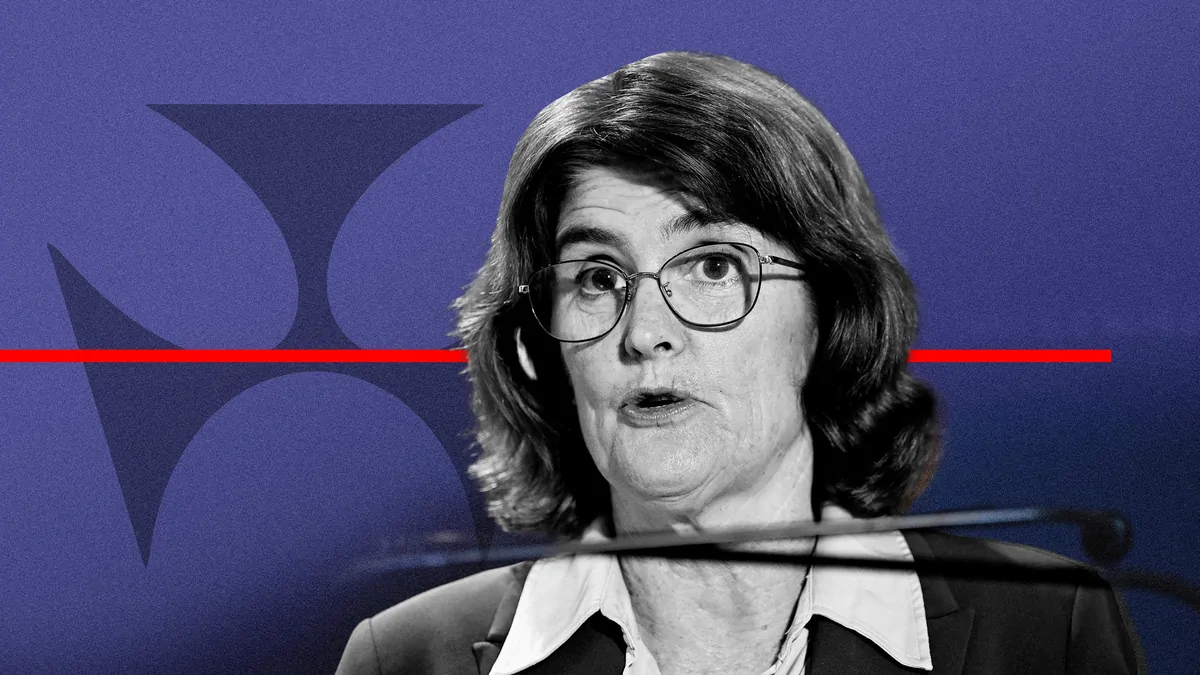
The Reserve Bank would be reluctant to cut interest rates anytime soon despite a slowdown in Australia’s economic growth and the housing market because inflation is likely to remain high for at least another two years.
The cash rate was this month left on hold at 4.35 per cent for the first time since 2025, but the minutes of that June 17 meeting have revealed the RBA’s nine monetary policy board members were concerned about inflation remaining above its 2-3 per cent target for a sustained period.
“Against that backdrop, members agreed that monetary policy needed to remain restrictive to unwind current excess demand through a period of below-trend growth,” the minutes said.
Sign up to The Nightly’s newsletters.
Get the first look at the digital newspaper, curated daily stories and breaking headlines delivered to your inbox.
By continuing you agree to our Terms and Privacy Policy.
While inflation moderated to 4 per cent in May, it was above the RBA’s target for the 10th straight month.
The Reserve Bank’s monetary policy board cited their May forecasts that “envisaged that it would be a further two years before inflation returned sustainably to target”.
It also noted the neutral cash rate level would be higher than the existing 4.35 per cent cash rate as the construction of new data centres to power AI, the renewable energy transition and defence spending added to overall demand
“Members observed that estimates of the real neutral rate had risen over preceding years – consistent with a global trend, which probably reflected factors such as increased investment in the energy transition, defence and, more recently, data centres – and were a little higher than when the cash rate target was previously at its current level,” the minutes said.
“Members nevertheless emphasised that assessments of the neutral rate are inherently uncertain and do not provide a direct guide for monetary policy.”
Nonetheless, the RBA’s monetary policy board didn’t discuss raising the cash rate at its most recent meeting, despite governor Michel Bullock warning at her media conference rates would have to go up if inflation rose.
The minutes instead noted the Reserve Bank’s three rate hikes in February, March and May were already slowing the housing market in tandem with the Federal Government’s Budget changes to negative gearing and capital gains tax concessions.
“Members noted that conditions in the housing market had eased by more than expected, reflecting the recent increases in the cash rate, tax changes announced in the Australian Government budget and the broader economic environment,” it said.