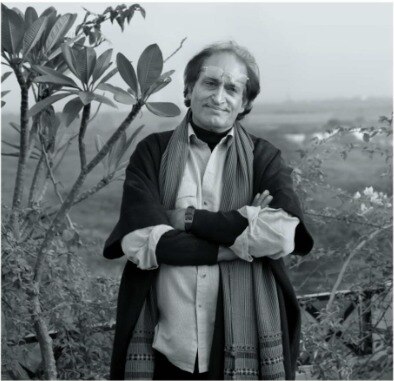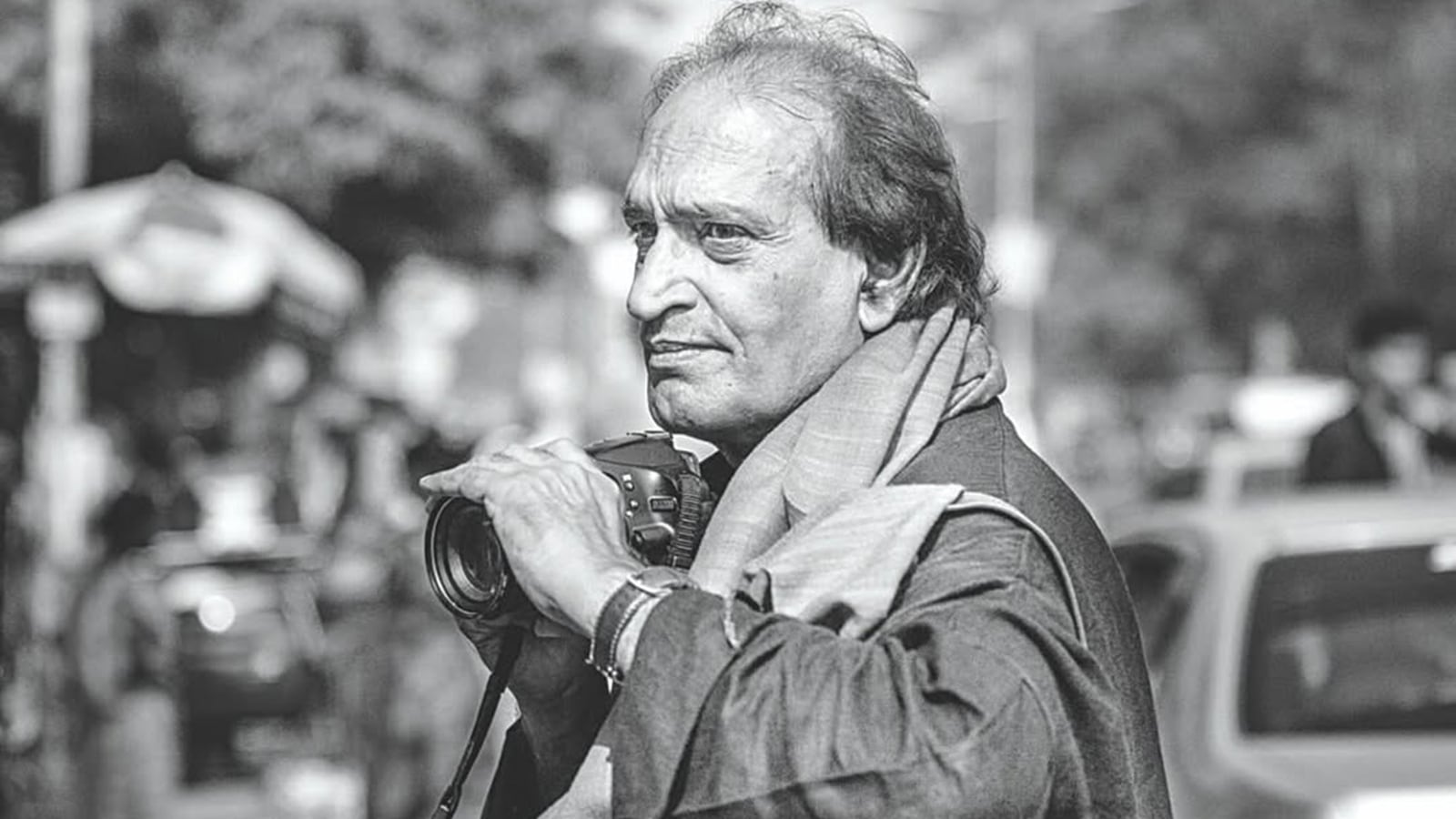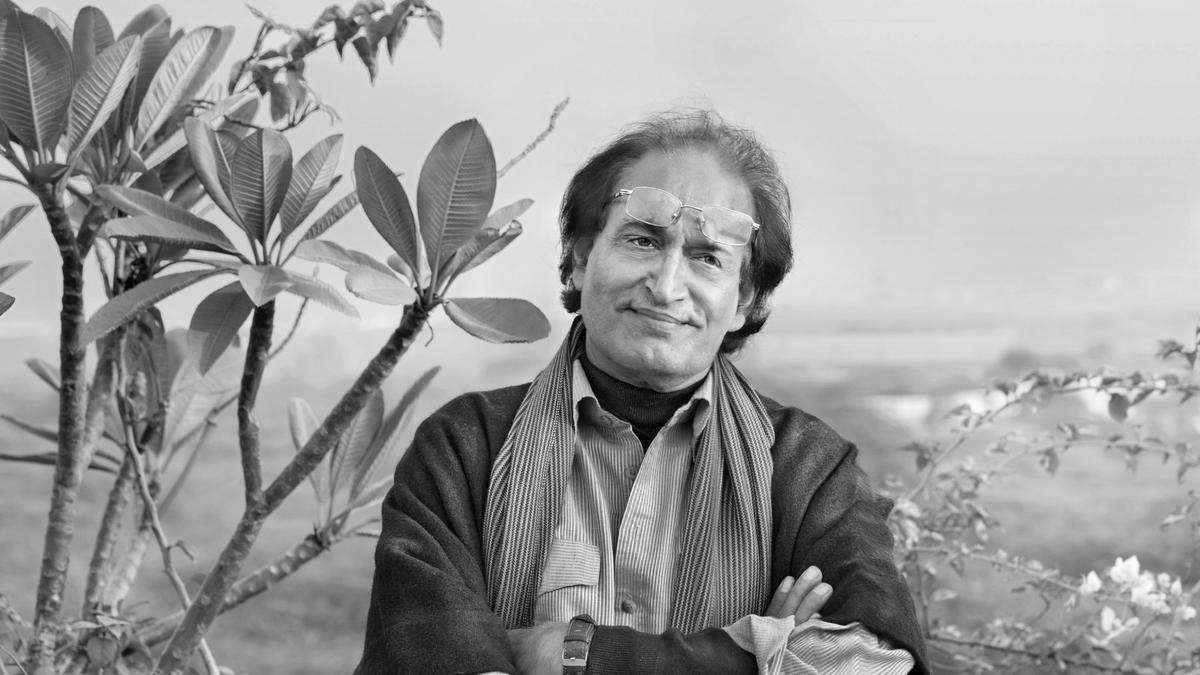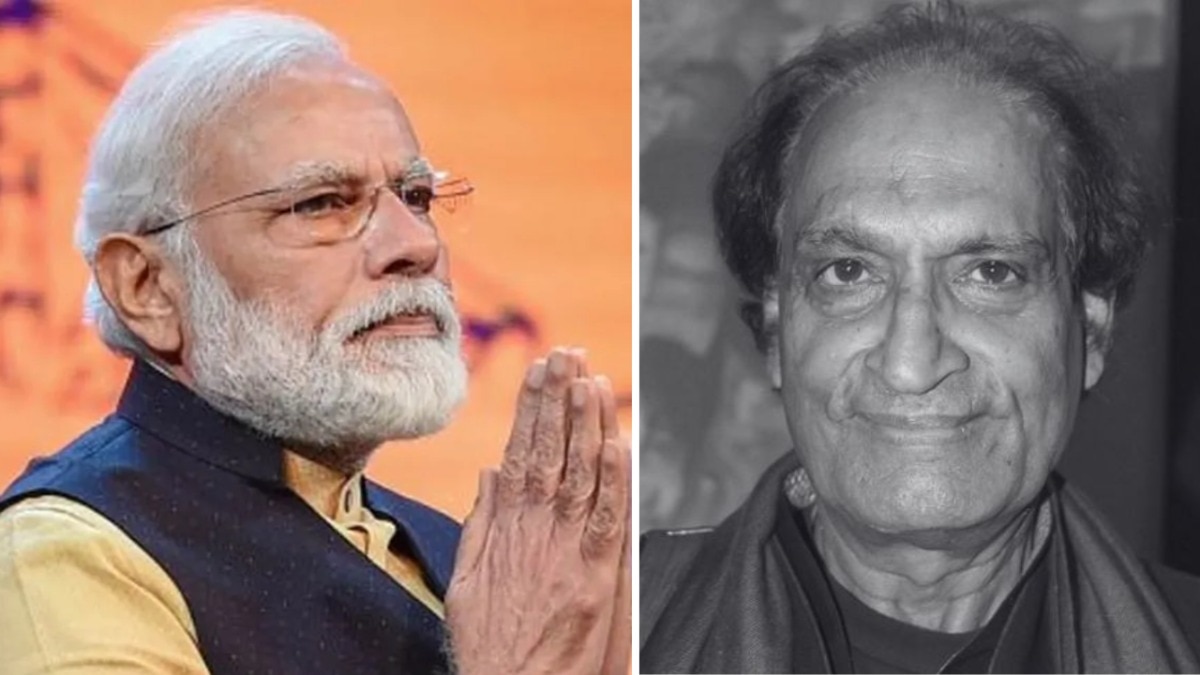
Legendary photographer Raghu Rai, whose images defined India’s visual memory for decades, died in the early hours of April 26 at a private hospital. He was 83.
Prime Minister Narendra Modi paid tribute, calling him a “creative stalwart” whose work captured India’s vibrancy with rare depth and sensitivity.
“Shri Raghu Rai Ji will be remembered as a creative stalwart, who captured India’s vibrancy through his lens. His photography had extraordinary sensitivity, depth and diversity. It brought people closer to the different aspects of life in India. His passing is an irreparable loss to the world of photography and culture. My thoughts are with his family, admirers and the photography fraternity in this hour of grief. Om Shanti,” PM Modi said on X.
Shri Raghu Rai Ji will be remembered as a creative stalwart, who captured India’s vibrancy through his lens. His photography had extraordinary sensitivity, depth and diversity. It brought people closer to the different aspects of life in India. His passing is an irreparable loss— Narendra Modi (@narendramodi) April 26, 2026
ILLNESS AND FAMILY
Rai’s son, photographer Nitin Rai, said his father had been battling cancer.
“Dad was diagnosed with prostate cancer two years ago but he was cured. Then it spread to the stomach, that too was cured. Recently, the cancer spread to his brain and then there were age-related issues too,” he told PTI.
Rai is survived by his wife Gurmeet, son Nitin and daughters Lagan, Avani and Purvai. His last rites were held at Lodhi Crematorium on Sunday.
A LIFE BEHIND THE LENS
Born on December 18, 1942, in Jhang, Punjab, now in Pakistan, Rai trained as a civil engineer before turning to photography at 23. He joined The Statesman as chief photographer in 1966.
Over six decades, his work chronicled India’s social and political landscape, capturing moments from the Bangladesh refugee crisis of 1972 to the Bhopal gas tragedy of 1984.
He also worked with leading Indian publications, including Sunday and India Today, shaping visual storytelling in the country’s news space. His work appeared in global publications such as Time, Life, The New York Times and The New Yorker.
A protege of Henri Cartier-Bresson, Rai documented leading figures such as Indira Gandhi, the Dalai Lama, Mother Teresa, Satyajit Ray, Hariprasad Chaurasia and Bismillah Khan, while also turning his lens towards everyday life.
IMAGES THAT SHAPED MEMORY
His photographs often went beyond the obvious, bringing focus to ordinary lives with striking clarity.
One of his most haunting images from the Bhopal disaster shows an infant with eyes open in a cold, still gaze. Another captures Indira Gandhi surrounded by Congress ministers in a moment frozen in time.
Rai believed photography was about capturing the essence of the present.
“When you capture the essence of any situation at the right time, it is going to be the visual history of tomorrow. History is written and rewritten but visual history can’t be re-written,” he had told PTI.
TRIBUTES POUR IN
Tributes came in from across political and cultural circles.
Congress leader Rahul Gandhi said Rai preserved “our nation’s memory” and chronicled “the soul of India”. Priyanka Gandhi said he “etched the stories of joys and sorrows of ordinary Indians into his images”.
Shashi Tharoor recalled personal memories, saying, “For me, he wasn’t just a global name; he was the man with the gentle smile and the observant eye who inspired my father’s generation of journalists.”
Photographer Aditya Arya said Rai brought viewers “into the middle of the action”, adding that his style changed the way photojournalism was practised in India.
AWARDS AND LEGACY
Rai received the Padma Shri in 1972 for his coverage of the Bangladesh war. He also won international honours, including the Photographer of the Year award in the US and France’s Officier des Arts et des Lettres in 2009.
He served on juries such as World Press Photo and UNESCO contests and authored several books. He was working on his 57th book at the time of his death, while his foundation has archived more than 50,000 images.
His photographs, spanning decades, remain etched in India’s collective memory, capturing both its turbulence and its quiet moments with equal intensity.
– Ends
Published By:
Sonali Verma
Published On:
Apr 26, 2026 20:19 IST