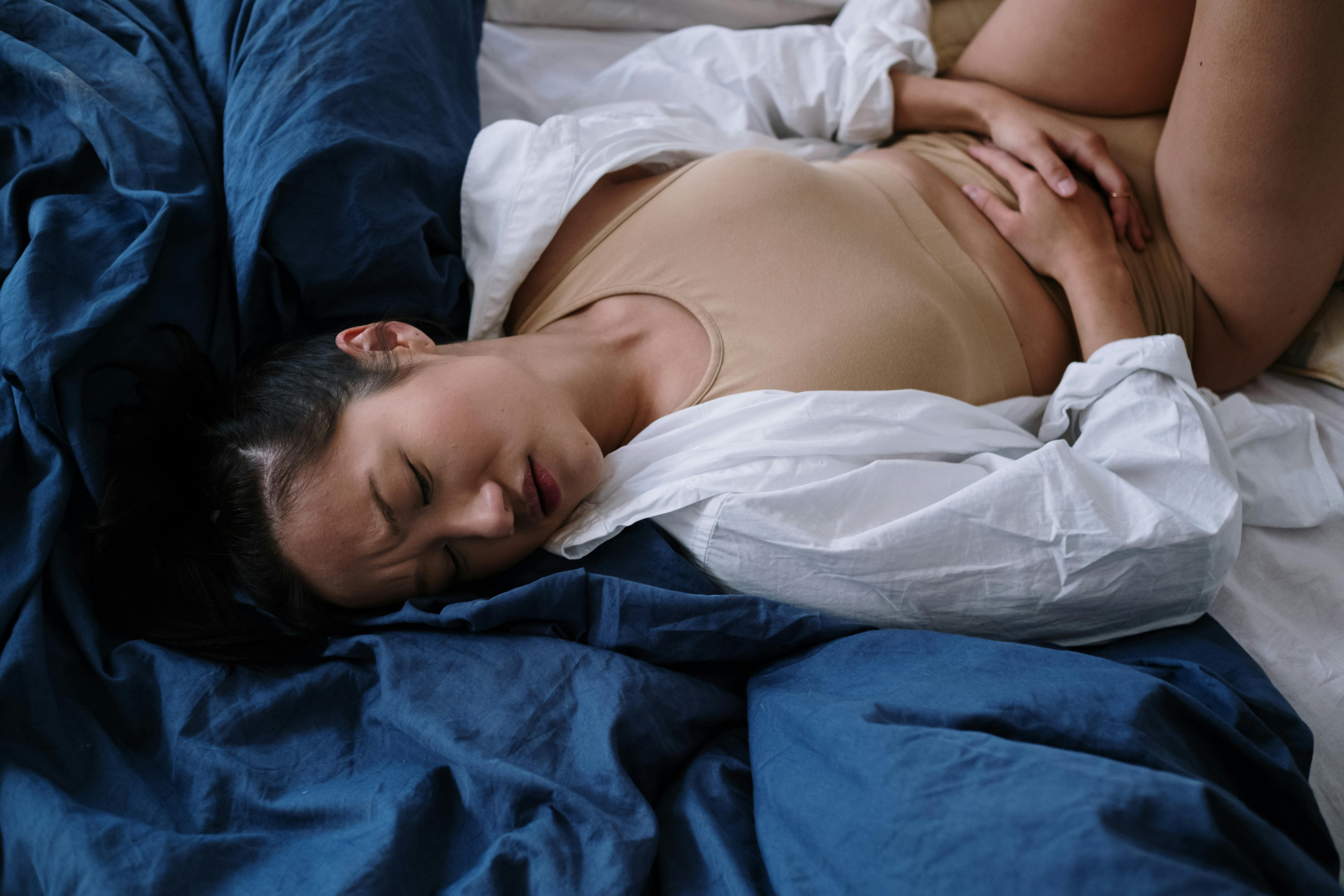
Endometriosis Pain Relief is a major priority for people living with chronic pelvic discomfort, painful periods, pain during intercourse, and bowel-related symptoms. Common endometriosis symptoms may also include bloating, fatigue, heavy bleeding, irregular cycles, and worsening pain before menstruation. Because symptoms vary widely, treatment often combines medication, lifestyle support, and targeted therapies to improve daily comfort.
Many patients also worry about the fertility impact of endometriosis, since inflammation, scarring, and ovarian changes can affect conception. Some studies estimate infertility may affect a significant number of people with the condition. A balanced plan using pelvic pain treatment, symptom control, and fertility-focused care can help protect long-term reproductive health while improving quality of life.
Endometriosis Symptoms and Initial Pain Relief Strategies
Endometriosis can cause a wide range of symptoms that affect daily comfort, energy levels, and reproductive health. According to Endometriosis UK, pain relief strategies often include anti-inflammatory medication, heat therapy, exercise, and speaking with a healthcare professional for long-term symptom management. Recognizing symptoms early and using supportive treatments may help improve quality of life.
- Pelvic and Lower Abdominal Pain: Common endometriosis symptoms include persistent lower abdominal pain, pelvic pressure, and severe menstrual cramps that may interfere with daily activities.
- Pain During Daily Functions: Some patients experience pain during intercourse, painful bowel movements, or discomfort during urination, especially during their menstrual cycle.
- Cycle-Related Flare-Ups: Symptoms often worsen before or during menstruation, although some people may feel pain throughout the entire month.
- Digestive and Energy Changes: Fatigue, spotting, constipation, diarrhea, and nausea may also occur, which can sometimes delay diagnosis.
- Over-the-Counter Pain Relief: For early Endometriosis Pain Relief, many patients begin with medications such as paracetamol or anti-inflammatory drugs.
- NSAIDs Dysmenorrhea Support: Ibuprofen or naproxen may help reduce inflammation and ease prostaglandin-related menstrual cramps.
- Heat Therapy Comfort: Heat packs can relax tense muscles and provide short-term relief during painful flare-ups.
- TENS Machine Support: TENS machines may help reduce pain signals through gentle electrical stimulation and can be useful for some patients.
Pelvic Pain Treatment: Hormonal and Advanced Medical Options
When pain becomes persistent, doctors may recommend pelvic pain treatment through hormonal suppression. Combined oral contraceptive pills are commonly used to reduce ovulation and slow the growth of endometriosis-related tissue. Continuous dosing may also reduce monthly flare-ups and improve day-to-day function.
Progestin treatments are another option for Endometriosis Pain Relief. These may include pills, injections, implants, or hormonal IUDs that help thin tissue and reduce bleeding. In more severe cases, hormonal therapy GnRH agonists such as leuprolide may temporarily lower estrogen levels, which can shrink active lesions and decrease pain.
According to the Cleveland Clinic, treatment for chronic pelvic pain may include hormone therapy, nerve pain medication, physical therapy, and multidisciplinary pain management when symptoms are ongoing or complex.
Fertility Impact: Surgical Interventions and Long-Term Management
The fertility impact of endometriosis depends on age, ovarian reserve, lesion severity, and scar tissue formation. Inflammation may affect egg quality or implantation, while adhesions can interfere with fallopian tube movement. Many patients still conceive naturally, but some need targeted fertility care.
When medication is not enough, surgery may be considered. Laparoscopic excision surgery is often used to remove visible endometriosis lesions while preserving healthy surrounding tissue. Surgeons may also treat endometriomas, release adhesions, or improve pelvic anatomy to reduce pain and support fertility goals.
Based on a study conducted by the National Institutes of Health, laparoscopic treatment of endometriosis may improve pain outcomes and may help selected patients with infertility depending on disease stage and overall reproductive factors.
Pelvic Floor Physiotherapy for Ongoing Endometriosis Pain Relief
Persistent endometriosis pain can affect pelvic muscles, movement patterns, and everyday comfort over time. Pelvic floor physiotherapy is often used alongside other treatments to help reduce pain and improve body function.
- Muscle Tightness and Weakness: Ongoing pain can cause pelvic muscles to tighten, weaken, or lose coordination, which may worsen discomfort and pressure.
- Comprehensive Physiotherapy Assessment: A physiotherapist may evaluate posture, breathing habits, muscle tension, and movement patterns connected to chronic pelvic pain.
- Relaxation Training: Treatment may include techniques that help release muscle tension and improve pelvic floor relaxation.
- Guided Stretching and Mobility Work: Stretching exercises can improve flexibility, reduce stiffness, and support smoother movement.
- Muscle Release Techniques: Internal or external therapy methods may be used to reduce trigger points and improve muscle balance.
- Improved Daily Comfort: Many patients report reduced pain during intercourse, easier bowel movements, and less guarding after regular sessions.
- Post-Surgical Recovery Support: Pelvic floor physiotherapy may also help restore movement and comfort after surgery.
- Exercise as Added Support: Yoga, Pilates, walking, and mobility exercises may complement physiotherapy and support long-term recovery.
- Better Pelvic Pain Treatment Results: When combined with medication or hormonal care, physical therapy often improves overall pelvic pain treatment outcomes.
Comprehensive Endometriosis Pain Relief and Fertility Preservation Strategies
Managing endometriosis often requires more than one solution. Endometriosis Pain Relief may involve NSAIDs, hormonal medication, surgery, physiotherapy, and fertility planning depending on symptoms and goals. What works best can change over time, so regular follow-up remains important.
Early attention to endometriosis symptoms, careful treatment adjustments, and support for reproductive health can improve quality of life. Whether the priority is pain control, preserving fertility, or both, a personalized plan gives patients more options and better long-term confidence.
Frequently Asked Questions
1. What are the most common endometriosis symptoms?
Common endometriosis symptoms include pelvic pain, severe menstrual cramps, pain during intercourse, and bowel discomfort. Some people also experience bloating, fatigue, and irregular bleeding. Symptoms often worsen before or during periods. Severity does not always match how advanced the disease is.
2. What is the best Endometriosis Pain Relief option?
The best Endometriosis Pain Relief plan depends on symptoms, age, fertility goals, and disease severity. Some patients improve with NSAIDs, hormonal pills, or physiotherapy. Others may need surgery or advanced pain management. A personalized plan usually works better than a single treatment.
3. Can endometriosis affect fertility?
Yes, the fertility impact of endometriosis can be significant for some patients. Inflammation, scar tissue, and ovarian cysts may interfere with conception. Many people with endometriosis still become pregnant naturally or with treatment. Early fertility planning can be helpful.
4. Is surgery always needed for endometriosis?
No, surgery is not always required. Many patients manage symptoms through medication, lifestyle changes, and pelvic pain treatment programs. Laparoscopic excision surgery is often considered when pain is severe, fertility is affected, or imaging suggests advanced disease. The decision should be based on individual needs and medical advice.