In this article
The brands disrupting sportswear today aren’t the ones plastered across every Champions League shirt or Olympic podium. They’re the insurgents operating from the margins: precision-engineered running shoes born in the Swiss Alps, maximalist cushioning platforms that look like moon boots, and social-first fitness apparel built entirely without traditional retail. While Nike and Adidas still command the headlines, On, HOKA and Gymshark are quietly rewriting the rules of engagement.
The Vulnerability of Legacy Giants
Nike and Adidas built empires on athlete endorsements, mass distribution and cultural omnipresence. But that very scale has become a liability. Their product lines sprawl across dozens of categories, diluting focus. Their supply chains prioritise volume over agility. And their marketing, for all its budget, often feels like broadcast noise in an era that rewards conversation.
The result is an opening. Not for another mass-market challenger, but for specialists who understand that today’s consumer, whether in Manchester or Dubai, values authenticity, community and performance credibility over ubiquity. These brands disrupting sportswear don’t try to be everything to everyone. They master one thing exceptionally well, then expand from strength.
On: Swiss Precision Meets Running Obsession
The Swiss brand On Running entered a market dominated by decades-old incumbents with a radical idea: CloudTec cushioning that delivered soft landings and explosive take-offs. The technology looked unusual. It performed brilliantly.
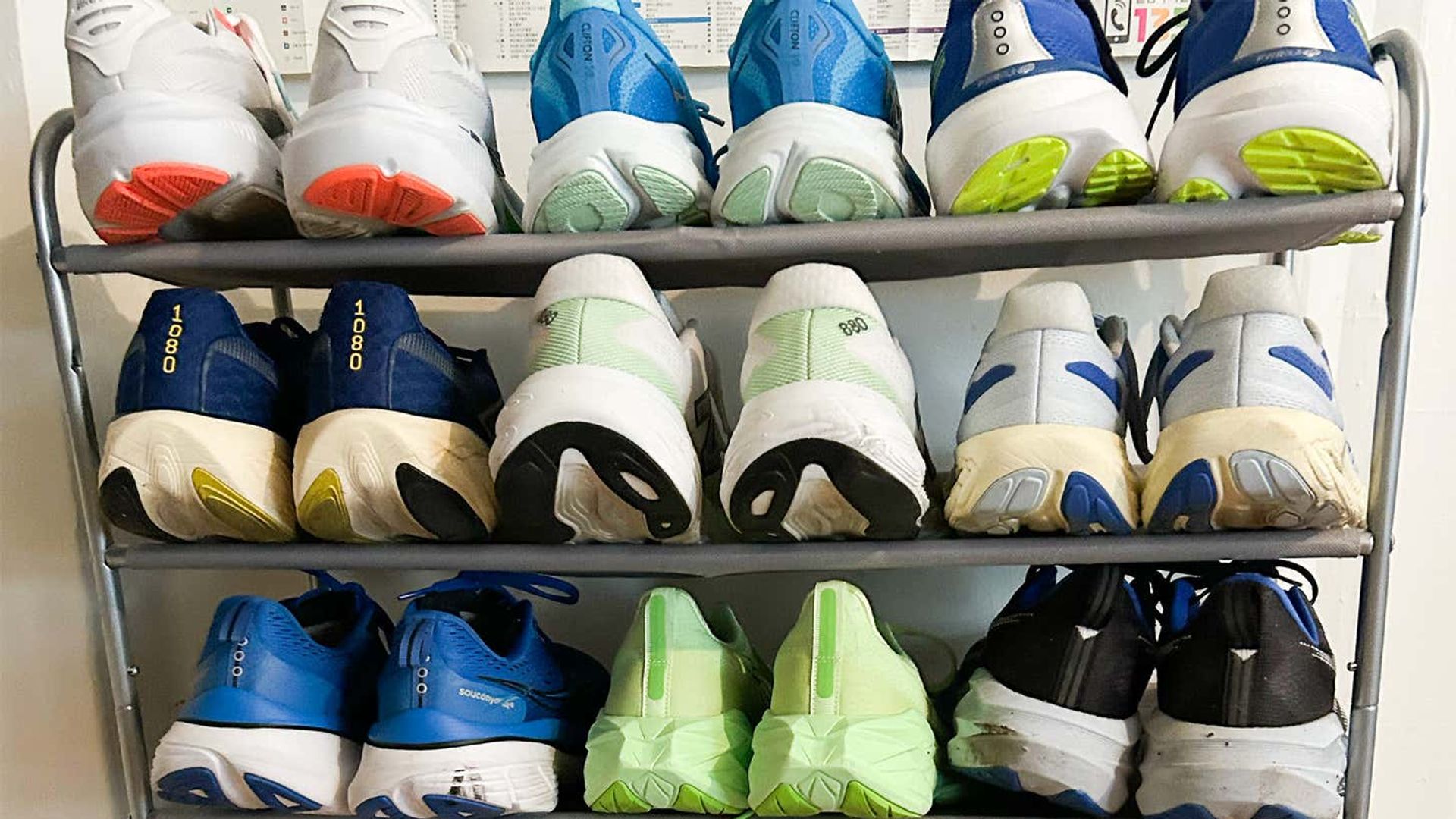
Swiss brand On is among the challengers gaining ground against Nike and Adidas in the global trainers market, driven by innovative product design. The brand’s success stems from:
- Product obsession: Every shoe is engineered for a specific running discipline, not watered down for mass appeal.
- Premium positioning: On never competes on price but on performance and design language.
- Community cultivation: Run clubs, athlete content and event activations build loyalty beyond the transaction.
In the UAE, where running culture has exploded alongside events like the Dubai Marathon and Abu Dhabi’s parkrun movement, On’s positioning resonates with consumers seeking performance credibility and design distinction.
HOKA: Maximalist Disruption in a Minimalist Era
While the industry chased minimalist barefoot trends in the early 2010s, HOKA went the opposite direction, building oversized midsoles that looked cartoonish but delivered transformative comfort. Runners recovering from injury discovered them first. Ultra-marathoners adopted them next. Then the fashion world noticed.
HOKA’s meteoric rise in the 2010s saw it transform the way the entire sportswear category approached running footwear design and marketing. The brand’s sportswear innovation lies in rejecting conventional wisdom. Thick doesn’t mean slow. Bold aesthetics don’t alienate serious athletes. And a product designed for extreme endurance can become a lifestyle staple.
The lesson for brands and sponsorship strategists is clear: differentiation beats imitation. HOKA didn’t try to out-Nike Nike. It carved a new category entirely.
Source: YG BRAND USA
Gymshark: The Social-First Phenomenon
If On and HOKA rewrote product strategy, Gymshark rewrote distribution and marketing. The brand bypassed traditional retail entirely, building its empire through Instagram influencers, YouTube fitness personalities and an obsessive focus on community.
Gymshark achieved rapid growth without a single television ad or department store partnership. Instead, it turned customers into advocates, athletes into content creators, and product launches into cultural moments. The brand’s athletic apparel market strategy is radically simple: make great-fitting gym wear, price it accessibly, and let your community do the marketing.
In the GCC, where social media penetration exceeds global averages and fitness culture thrives in high-end gym environments, Gymshark’s model feels native. The brand understands that today’s consumer discovers products through trusted voices, not billboard campaigns.
What the Insurgents Teach the Establishment
The rise of these disruptors offers clear lessons for any brand operating in sport, whether you’re selling shoes, activating sponsorships, or delivering corporate hospitality experiences:
- Specificity beats scale: Own a niche before chasing the mass market.
- Community trumps reach: A thousand engaged advocates outperform a million passive impressions.
- Performance credibility is non-negotiable: No amount of marketing rescues mediocre product.
- Agility is competitive advantage: Smaller brands move faster, test bolder ideas, and pivot without bureaucracy.
Nike and Adidas aren’t disappearing. But their dominance is no longer assured. The brands disrupting sportswear today prove that market leadership isn’t permanent. It’s earned through relevance, renewed with every product cycle, and defended only by those willing to evolve as fast as their customers.
The GCC Opportunity
For the UAE and wider Gulf markets, this disruption presents opportunity. The region’s young, affluent, digitally native population mirrors the demographic that propelled On, HOKA and Gymshark globally. Local activations, from Dubai Fitness Challenge to Formula 1 weekends in Abu Dhabi, provide platforms for brands that understand community-led growth.
The question isn’t whether legacy giants will respond. It’s whether the next wave of disruptors is already forming, perhaps in a Dubai incubator, a Riyadh co-working space, or a garage somewhere in Sharjah. The brands disrupting sportswear today started exactly there.