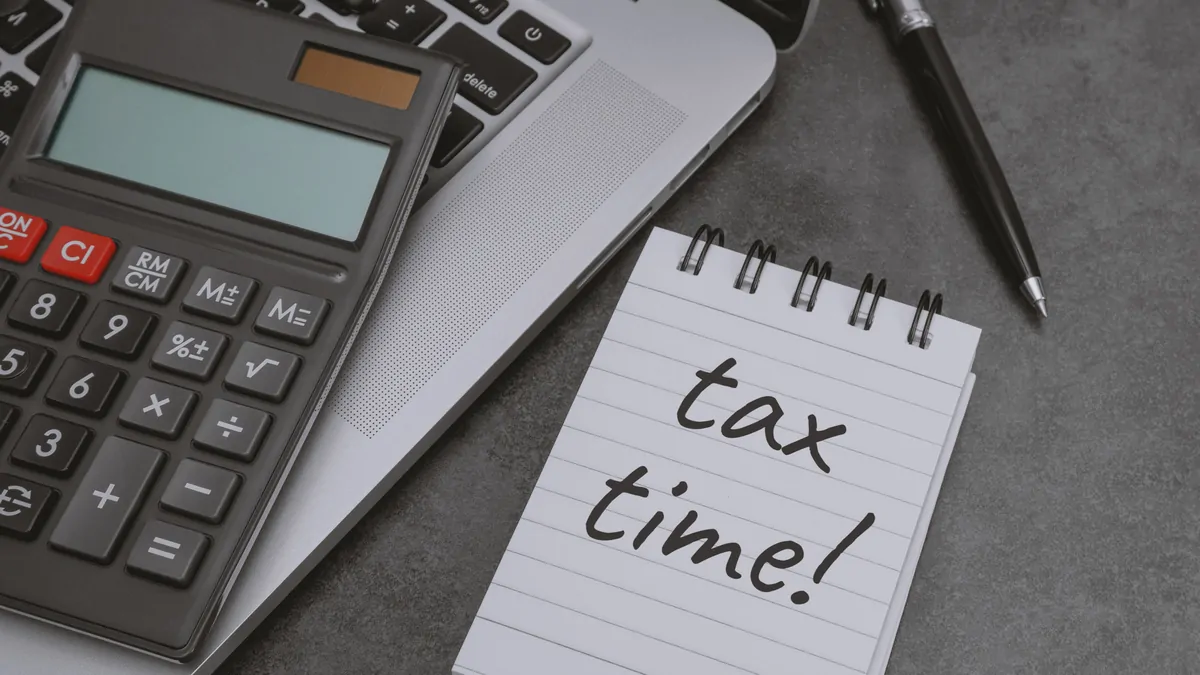
Those who are expecting a refund this year might be keen to lodge their 2026 income tax return as soon as the clock ticks past midnight on July 1.
But jump too soon and you could end up having to amend your paperwork. You might also miss some simple and common tax deductions that could boost your refund.
The Australian Taxation Office says that nearly 600,000 “early-lodgers” were forced to submit amended tax returns last financial year.
Sign up to The Nightly’s newsletters.
Get the first look at the digital newspaper, curated daily stories and breaking headlines delivered to your inbox.
By continuing you agree to our Terms and Privacy Policy.
ATO assistant commissioner Anita Challen said lodging too early might mean that not all of the information required to complete a tax return is with the ATO.
‘While the ATO welcomes taxpayers’ enthusiasm at the start of tax time, the numbers don’t lie — lodging too early creates more work,” Ms Challen said.
Employers, investment companies, banks and others are required to transfer relevant information about individual taxpayers to the ATO as soon as possible. While some of that occurs in real-time, other information can require collation and end-of-year adjustments before the data is uploaded to the taxman.
“By late July, most pre-fill information is available in returns, including wages, bank interest, government payments and private health insurance details,” Ms Challen said.
In the case of managed funds and associated investment platforms, annual tax reports can sometimes take weeks to prepare.
Pre-filled information sits within an individual’s tax records at the ATO. Pre-filled data is also used to populate ATO-based screens that accountants and individuals can use to lodge tax returns. The ATO “service” can be connected via my.gov.au and allows most people to complete their tax return online. If you’re planning a DIY version, it must finalised by October 31.
Rushing to hit the “submit” button might also mean that you’re missing out on some common tax deductions, according to H&R Block’s director of tax communications, Mark Chapman.
“People miss working-from-home expenses, including the fixed rate method or the actual-cost method. They sometime don’t claim enough or fail to keep accurate records,” Mr Chapman said.
Under the fixed rate method, taxpayers can claim a flat 70¢ an hour, which covers electricity, phone, gas and computer consumables. You need to keep a record of when these hours were worked.
Actual-cost method sees you claim the actual expenses incurred by working from home. In many cases, this is done by apportioning the expense based on hours worked.
“The often-missed deductions include work use of your mobile phones and home internet, union and professional membership fees, subscriptions, income protection insurance outside of super and tax agent’s fees,” Mr Chapman said.
Tax-deductible donations to registered charities are also sometimes forgotten.
While in most cases you will need to be able to prove the expense with a receipt, work-related claims of up to a total of $300 do not require evidence.