Cricket Australia can argue that private investment in Big Bash clubs will not affect its control over the competition, but I find that difficult to believe.
If an investor purchases 100 per cent of a team, surely they will expect more than their name on the ownership documents. Whether it happens immediately or gradually, they will want influence over how the club is run, which players it signs and the direction it takes.
You cannot sell the entire pie and then expect the buyer to remain outside the kitchen.
Sign up to The Nightly’s newsletters.
Get the first look at the digital newspaper, curated daily stories and breaking headlines delivered to your inbox.
By continuing you agree to our Terms and Privacy Policy.
CA says it will retain control over scheduling, salary caps, player availability and major changes such as team names and colours.
Yet the opening match of the next BBL season is already set to be played in India. That decision was made before private ownership began, but it makes me wonder where these commercial opportunities may eventually lead. Was this purely CA’s decision, and will decisions like it always remain that way?
The protections sound reassuring, but control has a habit of being chipped away over time.
We have already seen that with media access. Dressing rooms were once private spaces belonging to players and teams. Broadcasters and cameras have gradually moved closer because access creates content, and content makes money.
Just look at a ground on the morning of a match. Cameras, media and commentators fill the field and surround the pitch, areas that once largely belonged to the players.
Privatisation could follow a similar path. An owner asks for one concession because they have invested millions. Then another. Eventually, CA may discover it has considerably less authority than it believed it would retain.
Private investment could strengthen the BBL financially. Wealthy owners may attract bigger overseas names, improve promotion, and make the competition more commercially competitive against other T20 leagues.
But it could also take the BBL further away from what it was created to be, a high-quality Australian competition that entertained crowds while providing opportunities for the next generation of Australian players.
Perhaps that is exactly what Cricket Australia wants the competition to become. Whatever its plans, Australian cricket must remain the priority.
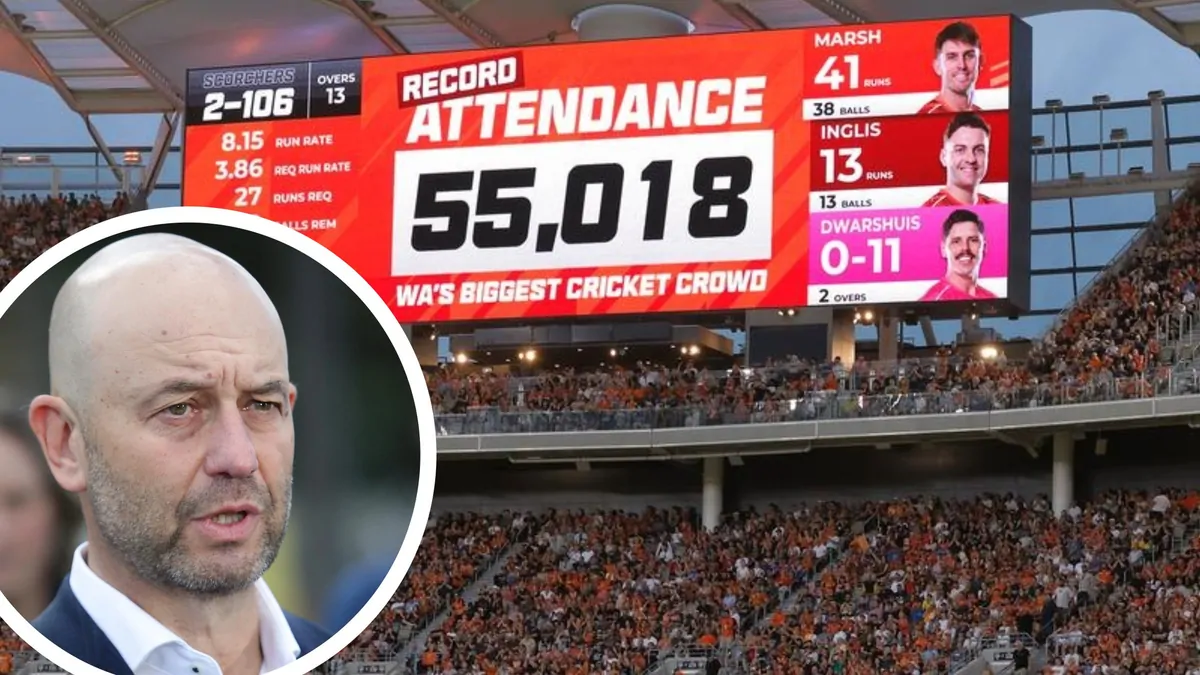
Cricket Australia chief executive Todd Greenberg this week. Credit: News Corp Australia
Once politics, commercial interests and substantial amounts of money become involved, decisions are not necessarily made according to what is best for Australian players or the national team. They are made according to what gives an owner the best return.
I saw that first-hand in the Indian Premier League. Owners invest enormous amounts of money and naturally expect influence over the decisions affecting their teams and players.
Should private owners be able to influence player availability and workload management? No. But put yourself in the owner’s position.
If you have paid for 100 per cent of a club and are carrying the financial risk, you would understandably believe you should have some authority over your most valuable players. From a business perspective, that makes sense.
That is exactly where the danger lies. The moment those commercial interests begin to outweigh the needs of Australian cricket, it stops feeling like the BBL and starts becoming another privately controlled T20 product.
Once Australian cricket gives away that control, getting it back could be much harder.
I understand Cricket NSW’s opposition. Its concerns also highlight what appears to be a growing disconnect between CA and the States. They do not seem to share one clear direction for Australian cricket, and introducing different ownership structures across the BBL may only widen that divide.
Some teams could remain owned by State associations while others are controlled by private investors with deeper pockets and different priorities. How that produces a fair and unified competition remains unclear.
I also understand that cricket requires money to run. Player contracts increase, competitions become more expensive and the game must progress.
However, if Perth Scorchers — the most successful franchise in BBL history – are struggling financially, we should be asking why and how that has happened before deciding that selling the club is the answer.
The Scorchers have been arguably the BBL’s biggest success story. Credit: AAP
At the same time, if other States sell their teams and receive major financial investment, why would the Scorchers choose to compete with one hand tied behind their back?
That may make privatisation difficult to resist, even for those uncomfortable with it.
Private investment is not automatically bad. It may provide the BBL with money and energy it badly needs. But selling 100 per cent of a team is not simply accepting assistance. It is handing over ownership, and owners eventually expect control.
Once Australian cricket gives away that control, getting it back could be much harder.