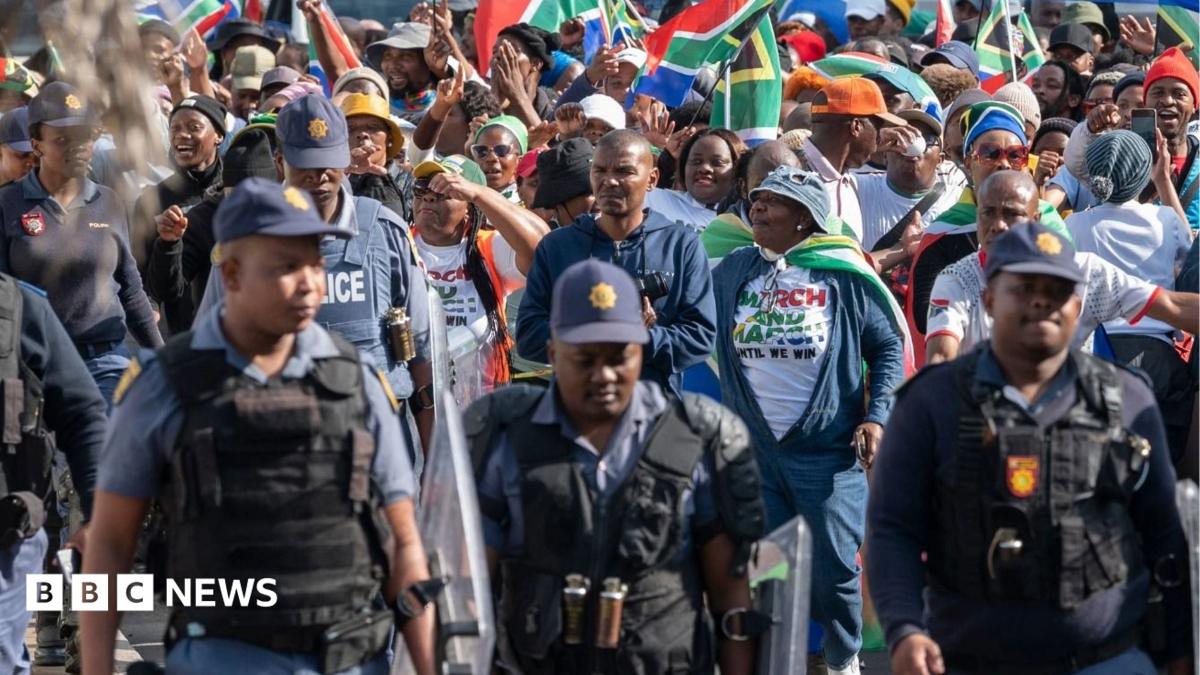
Immigration – especially undocumented migration – has become a highly contentious political issue in South Africa, with protesters accusing them of placing pressure on public services, as well as being involved in crime.
March and March had set an unofficial deadline of 30 June for all migrants without papers to leave the country. Protesters have promised to stage weekly marches until their demands are met.
The South African government has said more than 53,000 foreign nationals have been deported or repatriated since it launched a “migration management” campaign five weeks ago.
Xenophobia has long been an issue in South Africa, which is Africa’s wealthiest nation and has long attracted migrants searching for better economic opportunities.
It has sometimes led to violence – and this current round of demonstrations has seen violence, intimidation and looting.
On Tuesday, five people were arrested in Limpopo province for allegedly impersonating immigration officers and unlawfully demanding foreign nationals leave the country.
The police said the incident involved a Nigerian national – who was legally in South Africa – being intimidated and forced to close his business by the suspects.
Lt Gen Dimpane issued a “stern warning” to those who “continue to intimidate, harass and perpetrate violence against foreign nationals”.
“The law applies equally to everyone,” he said.
“No individual or group has the authority to conduct immigration inspections, verify legal status, or remove people from communities.”
When questioned on how some foreign nationals had been treated by anti-migrant protesters, Dube said March and March rejected “any form of violence – we reject any form of anti-law”.
There are more than three million documented foreign nationals in South Africa, according to official figures, which does not account for those in the country illegally.
Several countries, including Ghana, Kenya, Malawi, Nigeria and Uganda, have been organising flights or buses for their citizens to return home in recent weeks.
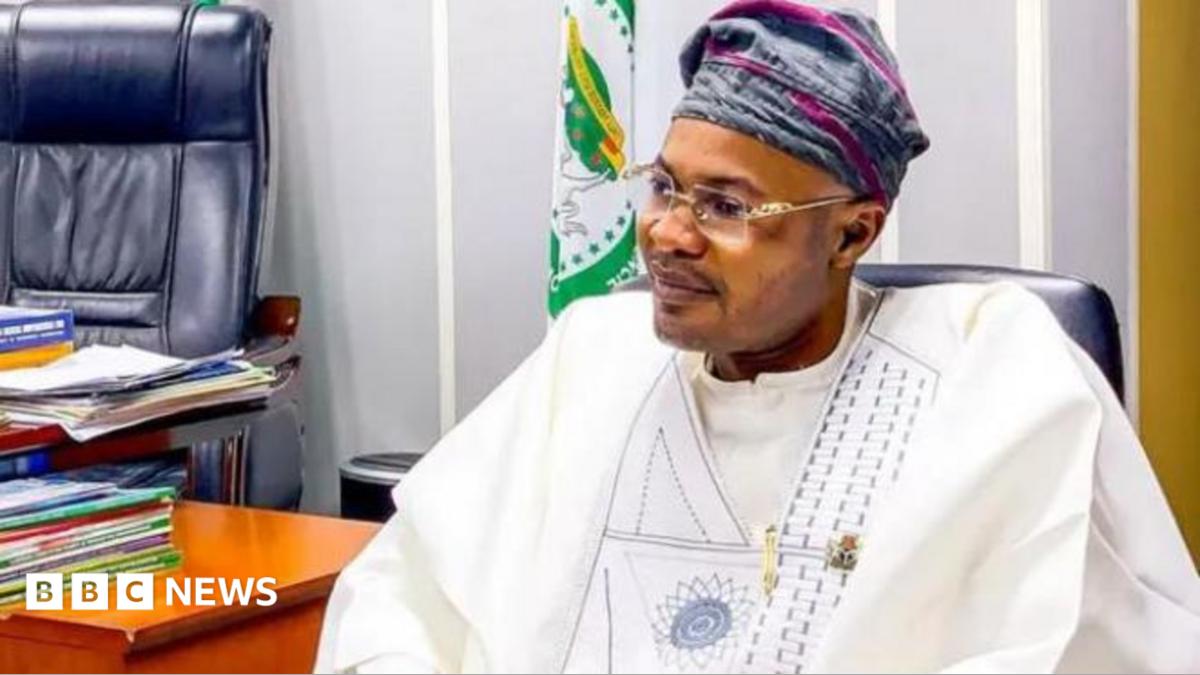
On Wednesday, the last flight organised by the Nigerian government under its voluntary repatriation scheme, landed in Lagos carrying 306 passengers. More than 1,200 Nigerians have now returned under the programme.
Additional reporting by Makuochi Okafor