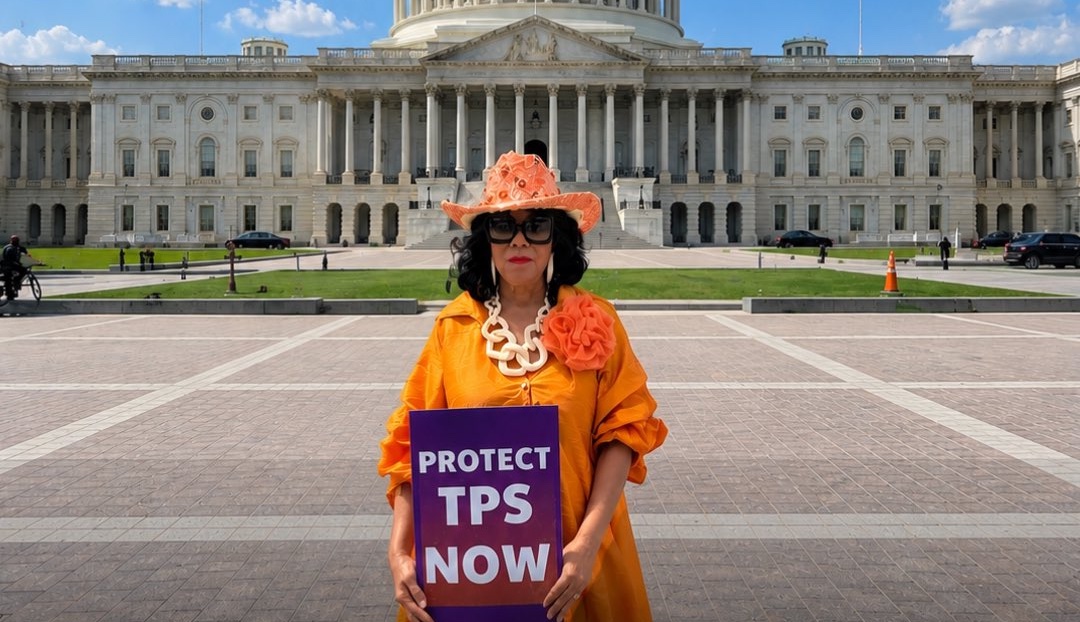
A recent U.S. Supreme Court decision allowing the Trump administration to move forward with ending Temporary Protected Status (TPS) for hundreds of thousands of Haitians has sparked nationwide debate—not only because of its impact on immigrant communities, but also because of one justice’s personal connection to Haiti.
On June 25, the Supreme Court voted 6-3 to allow the Trump administration to end TPS protections for approximately 350,000 Haitians and several thousand Syrians. The decision lifts lower court injunctions that had temporarily blocked the administration from ending the humanitarian program while legal challenges continue.
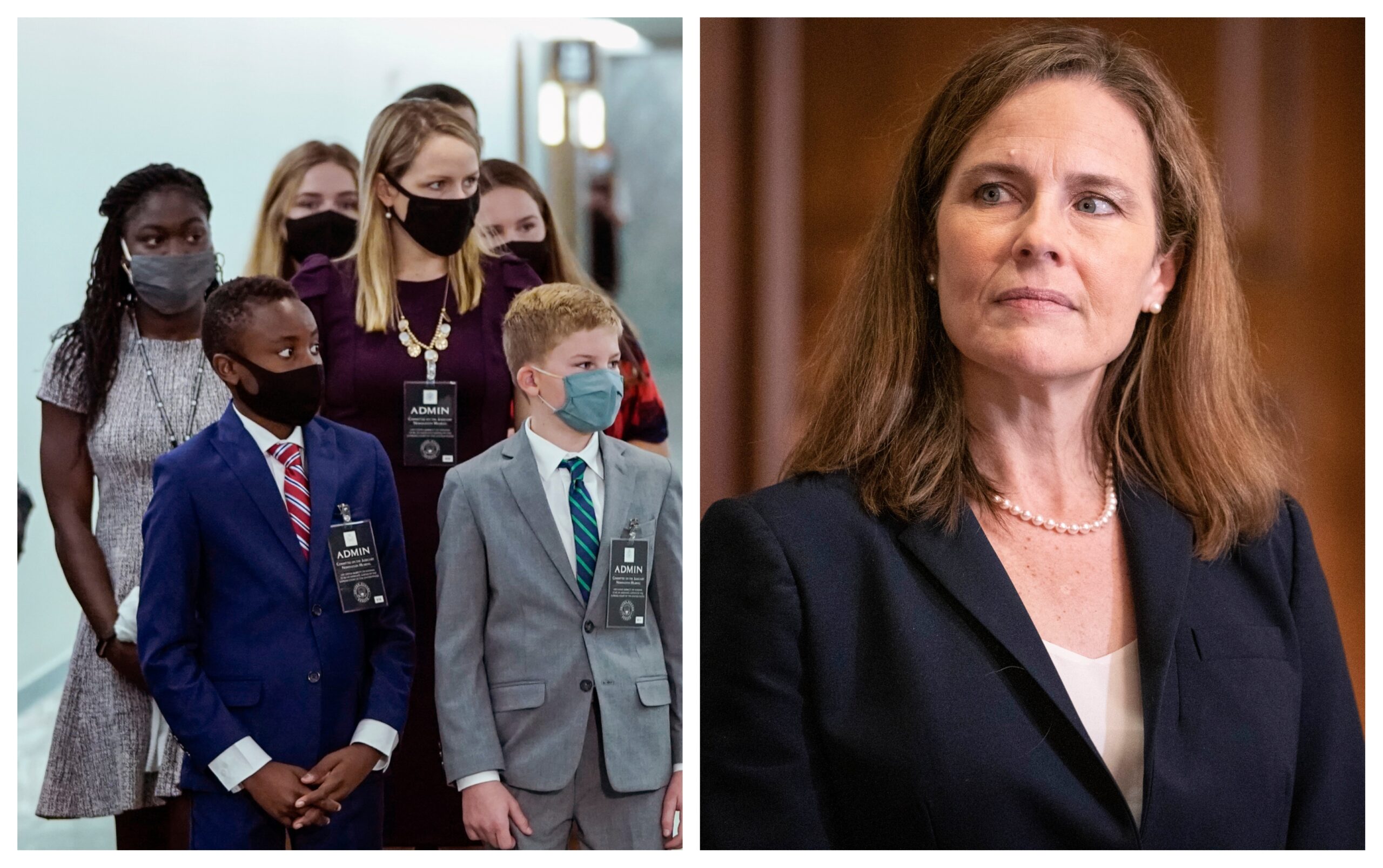
Among the six justices in the majority was Justice Amy Coney Barrett, who was appointed to the Supreme Court by President Donald Trump in 2020. Barrett’s vote has drawn particular attention because she and her husband, Jesse Barrett, are the adoptive parents of two children born in Haiti.
The Barrett family’s connection to Haiti began years before Amy Coney Barrett joined the nation’s highest court. Around 2005, the couple traveled to an orphanage in Pétion-Ville, where they adopted their daughter, Vivienne, who had experienced serious health challenges as a young child. Following Haiti’s devastating 2010 earthquake, they returned to the same orphanage and adopted their son, John Peter.
Over the years, Barrett has spoken publicly about her family’s adoption journey, describing it as one of the most meaningful experiences of her life and expressing pride in her children’s resilience.
The Supreme Court’s ruling, however, has placed that personal story alongside a decision with significant consequences for Haitian families across the United States.
Temporary Protected Status was first granted to Haiti following the catastrophic 2010 earthquake and has been extended multiple times because of ongoing humanitarian concerns, including political instability, widespread gang violence, and natural disasters. The program has allowed eligible Haitians to legally live and work in the United States while conditions in their home country remained unsafe.
The Court’s decision does not immediately revoke TPS or trigger automatic deportations. Instead, it removes previous court orders that had prevented the administration from ending the program, allowing the federal government to move forward while additional legal challenges continue through the courts.
The ruling has generated mixed reactions.
Supporters argue that Justice Barrett fulfilled her constitutional duty by interpreting federal law based on legal principles rather than personal circumstances. They maintain that a justice’s family history should not influence judicial decisions.
Critics, however, have pointed to what they view as a difficult contrast: a justice whose family welcomed two Haitian children through adoption voting in a case that could affect the futures of hundreds of thousands of Haitian immigrants who have built their lives in the United States.
For many Haitian-Americans, the decision extends beyond legal arguments. It raises broader questions about immigration policy, humanitarian responsibility, and the future of families who have lived, worked, and contributed to American communities for years under TPS protections.
As legal proceedings continue, the ruling marks one of the most consequential immigration decisions affecting the Haitian community in recent years.