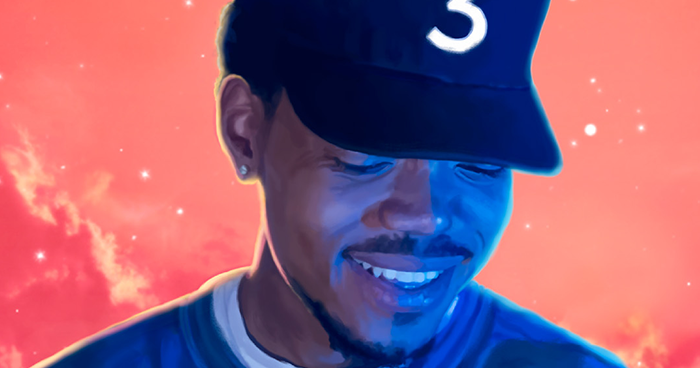
Julius Wilson’s story begins long before stages, recording studios, and world tours entered the picture. It begins in a quiet home where music was not a career choice yet, but a habit of curiosity and comfort. At around nine years old, music found its first real place in life when parents enrolled him in guitar lessons. What started as a simple activity slowly became something deeper, something that shaped identity and direction.
Those early years were not about fame or ambition. They were about learning chords, practicing sound, and discovering how music could express what words sometimes could not. The guitar became a companion through childhood, a steady presence that offered focus and escape. Over time, what began as lessons turned into a personal world built around rhythm and emotion.
By the time teenage years arrived, music was no longer just a hobby. It had become the center of thought and direction. The dream of performing, recording, and being part of something larger was already forming, even if the path ahead was unclear. That early foundation would soon be tested in ways no classroom or practice session could prepare for.
A Night That Changed Everything
At just fourteen years old, Julius Wilson entered the music industry in a way that most young artists only dream about, yet few are prepared for. Signed to a label in New Jersey, the transition from Canada to the American hip hop landscape came with both opportunity and pressure. At the time, Canadian artists were still fighting for recognition in a space that often overlooked them, especially before global shifts in the genre changed perceptions.
But the early promise of success was not without internal struggle. Behind the scenes, personal battles were already building, and there came a moment of extreme crisis that nearly ended everything. In a deeply unstable period, there was a night marked by a dangerous breaking point, a moment where survival itself felt uncertain.
Then something unexpected happened. An artist reached out and asked for a performance. Despite everything, the decision was made to step onto the stage and perform. That performance became a turning point. It was not just about music anymore. It was about staying alive through expression, pouring every emotion into sound when words could not carry the weight.
What followed felt almost unreal. A label that had already been watching the journey was present at that event. The performance led to a meeting the next day. That meeting became a contract, and that contract became a life-changing opportunity. Soon after, there were flights across countries, music videos, touring schedules, and a rapidly expanding career.
Looking back, that moment stands as a dividing line. Before it was uncertainty and collapse. After it was movement, structure, and a career that stretched across the world. In many ways, it became a second chance that arrived through music itself.
Fame, Pressure, and the Cost of Control
Being signed so young brought opportunities that most artists spend years trying to reach. But it also introduced challenges that were far more complex than expected. Coming from Canada into the American hip hop industry meant navigating an environment that was still learning how to recognize international voices. Early on, there was skepticism and a constant need to prove value.
The biggest challenge was not only age or experience, but control. Creative vision often collided with financial limitations and industry decision making. Ideas for a personal artistic direction were frequently shaped or redirected by others with different priorities. For a young artist trying to define identity, that lack of control created tension between passion and expectation.
Despite the challenges, the career continued to grow. Credits accumulated, collaborations expanded, and experience built itself over time. From studio sessions to international travel, the industry became both a classroom and a battlefield. Success was present, but so was the constant negotiation between authenticity and survival in a competitive system.
In time, one truth became increasingly clear. The music industry often presents polished outcomes, but behind them are layers of uncertainty, pressure, and compromise. Many things appear larger than they are, while the real work happens quietly in studios, rehearsals, and private moments of doubt.
Addiction, Recovery, and Finding Stability
Behind the public progress, a more difficult personal journey was unfolding. Over more than a decade, substance dependency became part of life. What began at a young age gradually grew into something that affected every layer of existence, from health to relationships to creative focus.
The turning point did not come easily. Recovery required facing long years of patterns that had become deeply embedded. The decision to change was not sudden or simple, but gradual, built through moments of clarity and persistence. Over time, the commitment to sobriety became stronger than the pull of old habits.
At the time of reflection, there is one year and twenty three days of sobriety. That milestone carries more weight than many of the external achievements that came earlier in the career. It represents endurance, discipline, and the quiet work of rebuilding life from the inside out.
Sobriety also reshaped the relationship with music. What was once sometimes clouded by instability became clearer again. The creative process returned to its core purpose, not as escape, but as expression. The work became less about chasing external validation and more about reconnecting with honesty in art.
Lessons on Art, Mental Health, and Moving Forward
Years inside the industry have brought both success and reflection. One of the strongest lessons learned is that consistency matters more than perception. Momentum, even in small steps, builds something real over time. Visibility and numbers often create illusions, but they do not define artistic value.
Another important realization is that music does not require validation at massive scale to be meaningful. Creation itself holds value. Releasing work, expressing ideas, and continuing the process can be enough without chasing constant external approval. In an industry often driven by metrics and attention, this perspective becomes a form of grounding.
Mental health has also been a central part of the journey. The pressures of performance, expectation, and internal struggle can weigh heavily, especially in creative industries. There is an understanding that many people face similar battles quietly. Feelings of isolation, depression, or self doubt are more common than they appear from the outside.
One message that stands out is the reminder that difficult moments do not define an entire life. A bad day does not mean a bad future. Struggles can feel overwhelming in isolation, but they do not erase the possibility of change. Support, time, and expression can all play a role in moving forward.
When it comes to advice, there is hesitation to offer universal answers. Every person experiences life differently, shaped by their own perspective and environment. However, one guiding principle remains consistent. Moving toward what brings genuine happiness matters more than external expectations. If something repeatedly removes peace rather than builds it, change becomes necessary.
A Career Defined by Survival and Creation
Today, Julius Wilson’s journey stands as more than a list of industry achievements. It is a story shaped by early talent, sudden opportunity, intense struggle, and long-term recovery. From childhood guitar lessons to international tours, from crisis moments to life-saving opportunities, every stage has added a layer to a complex artistic identity.
Music has remained the constant thread through it all. It has been a source of direction, survival, and eventually healing. The industry provided both platform and pressure, but the core relationship with sound remained intact. Even through the most difficult periods, creation never fully disappeared.
What defines the journey most clearly now is not where it began or the struggles along the way, but the ability to continue. Sobriety, reflection, and renewed focus have created a foundation for whatever comes next. The story is still unfolding, shaped by experience but not limited by it.
In the end, it is a reminder that behind every artist is a human story that rarely fits into simple narratives. Success can coexist with struggle. Achievement can sit alongside recovery. And sometimes, the very thing that nearly breaks a life can also become the reason it continues.
Do follow him on Instagram.
Read More-Where to Experience 2026 Travel Trends in Dubai Guide
Sneha Singhaniya is a dedicated Relationship Manager at UAE Stories based in Dubai. With over a year of experience, she specializes in business, real estate, and lifestyle storytelling. Sneha is known for building strong connections and bringing real, inspiring stories to life through meaningful collaborations. Her approach combines professionalism with a human touch, helping individuals share their journeys in a way that connects with a wider audience. Through her work, she continues to contribute to impactful storytelling that informs, inspires, and empowers readers.