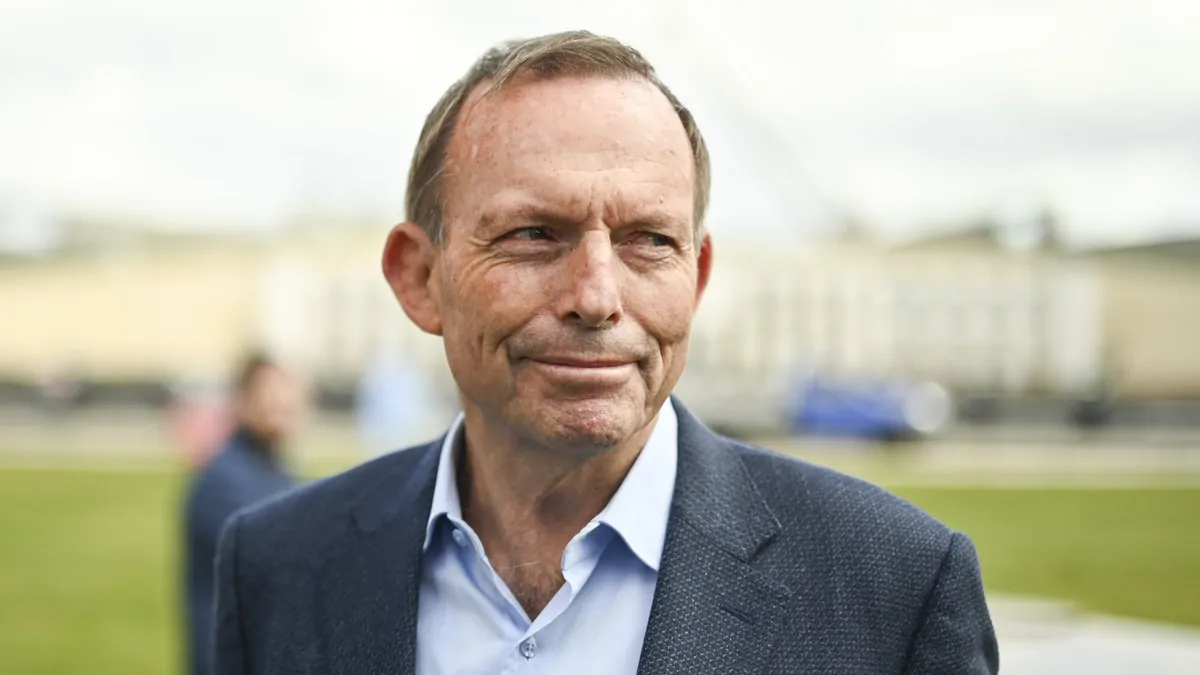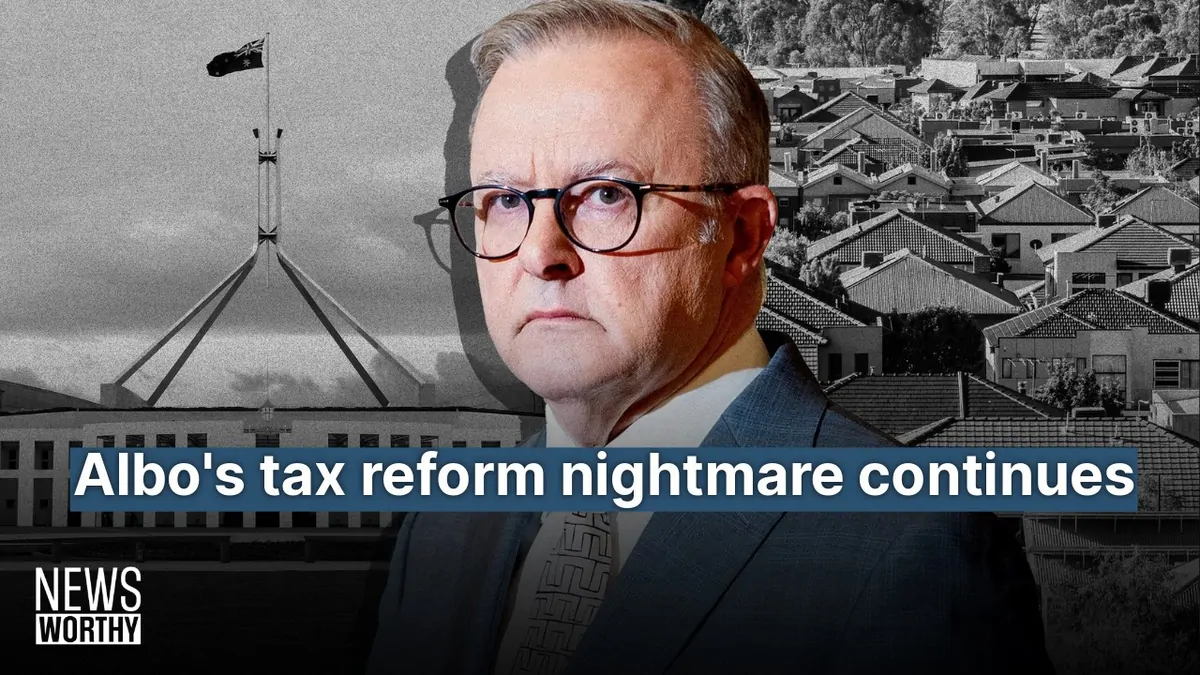
Angus Taylor has vowed to make the next election all about unwinding Labor’s changes to negative gearing, capital gains and tax on trusts.
The Opposition Leader doubled down on his Question Time sledge of Prime Minister Anthony Albanese as an “arrogant prick” while ministers defended the budget from accusations it would worsen the housing crisis.
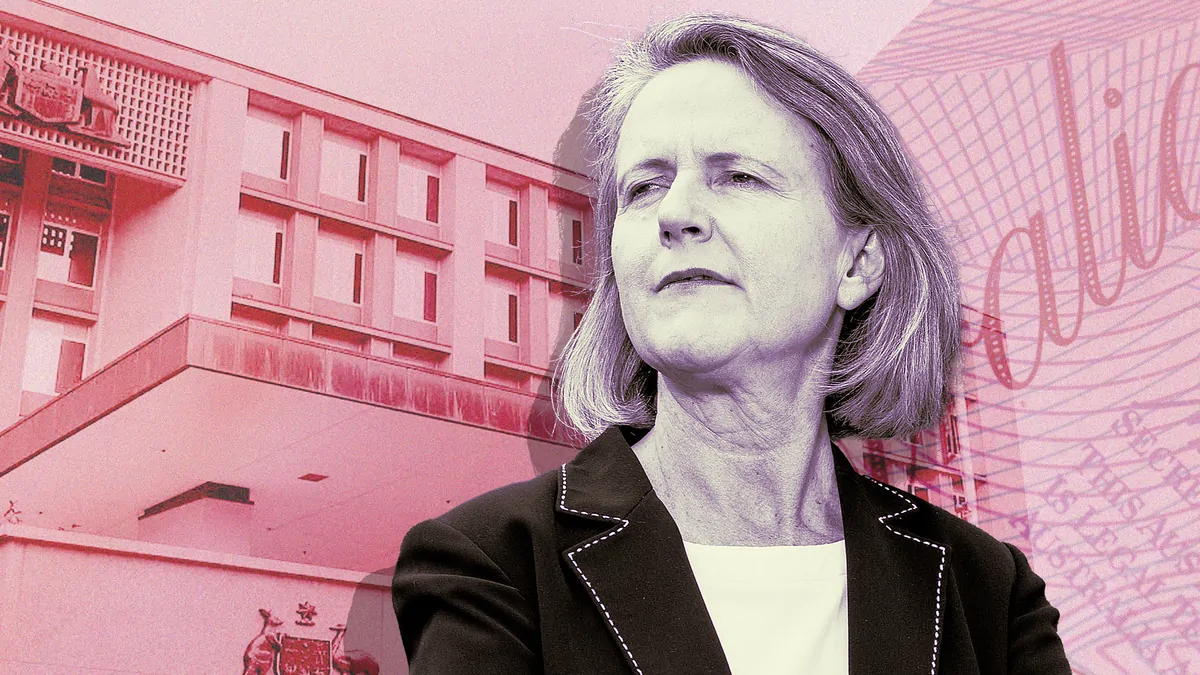
Treasury secretary Jenny Wilkinson this week reiterated the analysis contained in the budget papers that the tax changes alone do nothing for housing supply, but there are other measures aimed at boosting new builds.
Sign up to The Nightly’s newsletters.
Get the first look at the digital newspaper, curated daily stories and breaking headlines delivered to your inbox.
By continuing you agree to our Terms and Privacy Policy.
Mr Albanese took to social media to answer people’s questions about his government’s housing plan, after a fortnight where he has been used as a meme from start-ups and small businesses worried about the capital gains tax changes.
The budget measures replace the 50 per cent discount for tax on capital gains with an inflation-based discount and a 30 per cent minimum rate on the taxable portion.
Negative gearing will be limited to new housing stock only.
Anyone using these tax breaks before May 12 will be allowed to continue under the old arrangements.
Mr Taylor has vowed to repeal the “toxic taxes” and claimed Mr Albanese “hasn’t got the guts” to take them to an election.
“It should have gone to an election and we will make sure it does go to an election. Because if Labor wants to rush it through, we will take to the next election a policy to repeal it,” he told 2GB radio, echoing calls that Nationals leader Matt Canavan first made 10 days ago.
“Their own Budget papers said that we’d get less houses and higher rents because of these toxic taxes that they want to bring in … but we’ve also had the Treasury secretary saying, yesterday, exactly the same thing. She has admitted this will reduce the supply of housing in this country.”
Treasury has estimated the tax measures would lead to 35,000 fewer homes built over the next decade, but it said this would be more than offset by measures to encourage construction such as a $2 billion infrastructure fund.
Ultimately, it forecasts a net increase of 30,000 houses being built that wouldn’t have without the budget measures.
Ms Wilkinson highlighted these forecasts in comments to the Australian Business Economists forum in Sydney on Thursday.
She said the main thing that had changed in the housing policy debate now compared to when she worked in the space previously was there was a stronger understanding that supply was the centre of the problem.
An “enormous amount of work” was being done to “grind away” at things that would improve supply, but the tax changes weren’t central to that, she said.
“I’ve always been clear, and I kind of get these questions at Senate estimates, that the changes in the … tax elements of the package that were announced in the budget are really a bit more about changing the distribution of housing ownership rather than addressing, in an overarching sense, supply,” she said, before noting the Government “did make an explicit decision to allow negative gearing to continue for new building” in order to encourage more supply.
Separate modelling commissioned by Master Builders Australia, the Property Council and the Real Estate Institute of Australia found broadly the same reduction in new builds as a result of the tax changes but questioned Treasury’s assumptions that supply-side measures would add tens of thousands of new homes.
The work by Qaive and Tulipwood Economics estimated only 5291 more homes would be built in the next four years as a result, rather than Treasury’s asserted 26,000.
The net result, according to the property sector modelling, would be an overall reduction in the number of homes compared to doing nothing.
Cabinet minister Mark Butler said he would back in the expertise of Treasury over “vested interests” every time.
“I’m not sure people will be particularly shocked that the real estate industry, for example, is very happy with the status quo… What a surprise that they’ve got some modelling that indicates the government should do absolutely nothing,” he told Sunrise.
The government spent months in the lead-up to its May 12 budget arguing that it needed to do everything it could to boost housing supply and help a generation of Australians locked out of the market.
But analysis in budget papers and Treasurer Jim Chalmers’ rhetoric since that night has also pointed to the tax changes as necessary to rebalance an “out of whack” system that meant lower tax was paid on income from assets than wages.
The Prime Minister’s video on Friday was the latest in a concerted effort from Labor MPs and ministers to steer debate back onto housing.
“You’ve sent in some questions about our housing plan. Let me help to answer a couple,” Mr Albanese says in a social media video.
He goes on to answer: “How are you changing the tax system for housing?” “‘How do your changes help first home buyers?” and “Shouldn’t we be doing more than just changing housing tax breaks?”
“You’re absolutely right,” he says in response to the latter.
“The system simply isn’t working. We know it’s broken. We’re changing the way that tax breaks like negative gearing and capital gains can be used so there’s less competition for first-home buyers.”
Out of Mr Albanese’s 59 Instagram posts since the May 12 budget, 24 are solely about explaining the housing and tax plans. Two were about Delta Goodrem at Eurovision.
Housing Minister Clare O’Neil has also been using social media to directly answer questions and explain the capital gains tax changes, as have many backbenchers.
WA senator Ellie Whiteaker’s efforts to talk through the plans “the way that I would to my toddler” have also attracted widespread attention.
Labor MPs have been concerned about the poor reception to the budget, although they say the aspects aimed at housing have landed well once people get past the concerns of small businesses.
In fact, some expected far more backlash to the changes to negative gearing and capital gains tax discounts for investment properties than has eventuated.
Business groups the Australian Chamber of Commerce and Industry, the Business Council of Australia, and Ai Group are calling for the changes to be limited to property investments only.
The government is consulting on how to minimise the impact on low-capital high-growth businesses like start-ups and junior miners, but Mr Albanese has cautioned that people shouldn’t expect it to make large changes when they come later in the year.