The fuel crisis may be dominating conversations across the world right now, but across the Arabian Sea, in India’s IT capital, the chatter is about its likely impact on the persona-cum-professional lives of techies. The discussions are on whether it would once again be possible to avoid the traffic snarls of Whitefield, Outer Ring Road, and Bellandur to reach Bengaluru’s concrete and glass tech parks. The trigger is the revival of the magic term for techies — work for home (WFH).
During the Covid-19 pandemic, while daily-wage workers struggled, families mourned losses, and BBMP quarantine stickers appeared on doors across Bengaluru, there was also a section of the city’s urban elite, tucked away inside gated communities, that quietly loved the lockdown. For many among them, the biggest challenge was never the work, but the exhausting journey to get to work.
When Prime Minister Narendra Modi, on Sunday, urged people to work from home in order to save fuel, the chatter in the gardens of Skylark Asta society in Whitefield’s Hoodi area quickly changed. “Will it be work from home again?” asked a coder with a top IT firm. India Today Digital spoke to several of them to gauge the mood. Nearly everyone batted for remote work, but requested anonymity, citing corporate codes.
For many Bengaluru techies, PM Modi’s appeal was met with joy and sudden hope that work-from-home days could return.
Speaking to India Today Digital, Anshika Singh (name changed) said, “Since work from office became compulsory for me due to client requirements, I hardly get any time with my family at home. My two-year-old child sees me only for a couple of hours a day. If there is an urge from the Prime Minister himself, I hope companies will understand and allow us to work from home.” Singh works as a software engineer with a global e-commerce platform.
Her two-year-old was playing with the child of another techie friend at the society’s garden, Singh said. The two could watch the kids play because it was a Sunday.
For the two mothers, it was a different kind of Mother’s Day conversation, as the PM Modi’s appeal brought back memories of remote working seen during Covid-19 pandemic. While the current situation is nowhere close to the panic of a global contagion, an energy shortage can become a major serious problem in the long run.
WORK-FROM-OFFICE HELPS CLIENT MEETS, BUT PREFER WFH: BENGALURU TECHIE
Meanwhile, far away from Whitefield in Konanakunte Cross, another techie who travels from Prestige Falcon City society to her start-up office in Indiranagar said in-person conversations make her work easier. “Walking up to someone’s desk and sorting things out in five minutes often saves 15 emails, three follow-ups, and one dramatic ‘just checking in’ Teams message,” she said.
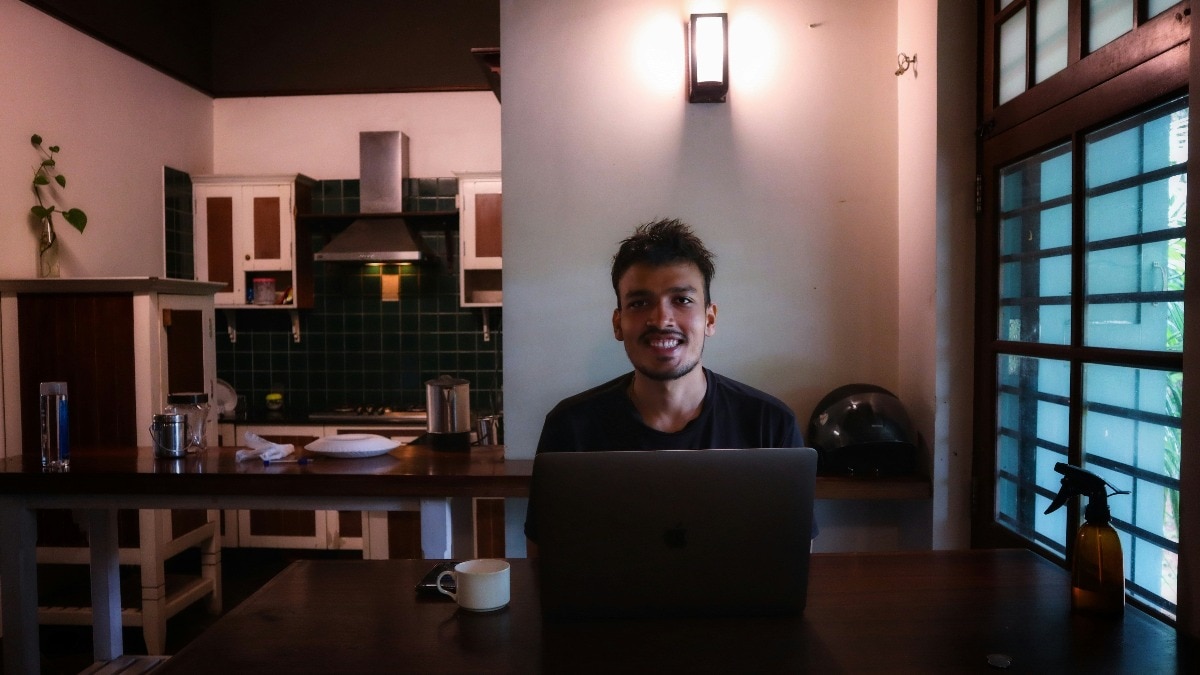
“But if given a choice, I would love to work from home. I am definitely more productive, and saving 2.5 hours in Bengaluru traffic every day feels less like a convenience and more like a boost for my mental health. Overall, I think a hybrid model works best for me.”
However, a senior manager residing in Adarsh Palm Retreat (APR) and working with a major e-commerce platform told India Today Digital that while the idea sounds ideal, a full return to work-from-home could save fuel but might hurt parts of the economy. “WFH helps individuals and companies cut costs, but it also affects local businesses, restaurants, and transport sectors that rely on daily commuters,” he said.
IT PROFESSIONALS ALREADY ENQUIRING ABOUT WFH OPTIONS
However, the senior manager, who requested anonymity, said his subordinates had already approached him on Monday morning seeking his views on Prime Minister Modi’s work-from-home advice.
“Many of them asked me directly if the company would consider WFH again,” he told India Today Digital. “While saving fuel and cutting commute time is great, I told them that prolonged WFH also reduces team collaboration. But if the fuel crisis worsens, we will obviously consider WFH again, like in Covid pandemic.”
He added that a balanced hybrid model would be ideal rather than a full return to remote work.
Prime Minister Narendra Modi, addressing a public gathering in Hyderabad on Sunday, urged citizens and institutions to adopt fuel conservation measures amid the ongoing Middle East conflict and rising global oil prices.
He called for using petrol, diesel, and gas with “great restraint” and reviving Covid-era practices such as work-from-home (WFH) wherever possible, along with online meetings, virtual conferences, and reduced physical travel.
PM Modi emphasised that restarting these systems would serve the national interest by cutting fuel consumption, lowering import bills, and saving foreign exchange.
He also suggested using public transport, carpooling, maximising electric vehicles (EVs), postponing non-essential foreign travel, and even deferring gold purchases for a year to strengthen economic resilience.
Bengaluru residents, especially techies who often have full workstation setups at home, often find it redundant to travel to offices only to sit at a nearly identical setup there. To do that, they brave some of the city’s worst traffic snarls and dust-filled roads. The chatter on the ground, as observed by India Today Digital, shows that many Bengalureans are reminiscing about the Covid-era remote working, when attending meetings while cooking or working out had become part of daily life.
– Ends
Published By:
Anand Singh
Published On:
May 11, 2026 15:20 IST