Australia could potentially escape Donald Trump’s new 12.5 per cent tariffs by changing Australian law on imported goods made with slave labour, a leading trade expert says.
The Trump Administration in February imposed new temporary 10 per cent tariffs across a range of goods after the US Supreme Court declared that last year’s excessive Liberation Day tariffs were unconstitutional because the President had bypassed Congress.
Those levels have now been increased to 12.5 per cent with the US arguing 60 countries, including Australia, had breached their Tariff Act of 1930 and the Trade Act of 1974 by failing to ban imports of goods made with slave labour.
Sign up to The Nightly’s newsletters.
Get the first look at the digital newspaper, curated daily stories and breaking headlines delivered to your inbox.
By continuing you agree to our Terms and Privacy Policy.
Australia’s criminal code bans slavery and the Modern Slavery Act of 2018 requires businesses with annual revenue of more than $100 million to ensure forced labour isn’t used in the supply chain of imported goods.
But because this law is different to the US standard, the Trump Administration is arguing Australia doesn’t effectively stop the importation of goods made with slave labour, Edwin Cowan University senior lecturer on international business Naoise McDonagh said.
“The narrow, legal term from the US is that Australia doesn’t have the exact same law,” he told The Nightly.
Dr McDonagh said the Australian Government could simply revisit former senator Rex Patrick’s Customs Amendment (Banning Goods Produced By Forced Labour) Bill from 2021, that sought to ban imports of goods made with slave labour, which lapsed before the 2022 election.
“Perhaps a quick solution to all this, from an Australian perspective, would be to implement, legislate such a law and then you could say to the Americans, ‘You now have no basis for that 12.5 per cent (tariff),” he said.
“There has been proposals in the Senate in Australia previously — they didn’t get through; that could be one easy solution.
“To just straight away push back to the Americans and say, ‘Look, we have this general prohibition’.”
The Trump Administration in February imposed new temporary 10 per cent tariffs across a range of goods after the US Supreme Court declared that last year’s excessive Liberation Day tariffs were unconstitutional because the President had bypassed Congress. Credit: Kevin Dietsch/Getty Images
Australia was one of 60 countries, along with China, New Zealand and the UK, which a US Trade Representative report in June found breached section 301 of the Trade Act of 1974 and section 307 of the Tariff Act of 1930 by not banning the importation of goods made with forced labour.
The new 12.5 per cent tariff would be unlikely to affect Australia’s biggest exports to the US, gold and beef, which are exempt from tariffs, as a North American drought makes taxes on imported red meat untenable and Americans last clamoured for the precious metal.
They are more likely to affect lesser-known categories including transport equipment, professional instruments and confidential items, AMP chief economist and head of investment strategy Shane Oliver said.
“It’s a relatively small portion of our exports to the US which actually get impacted by this which is why Don Farrell the Trade Minister doesn’t seem to be too concerned,” Dr Oliver said.
Senator Farrell on Friday morning was unconcerned about the latest 12.5 per cent tariffs.
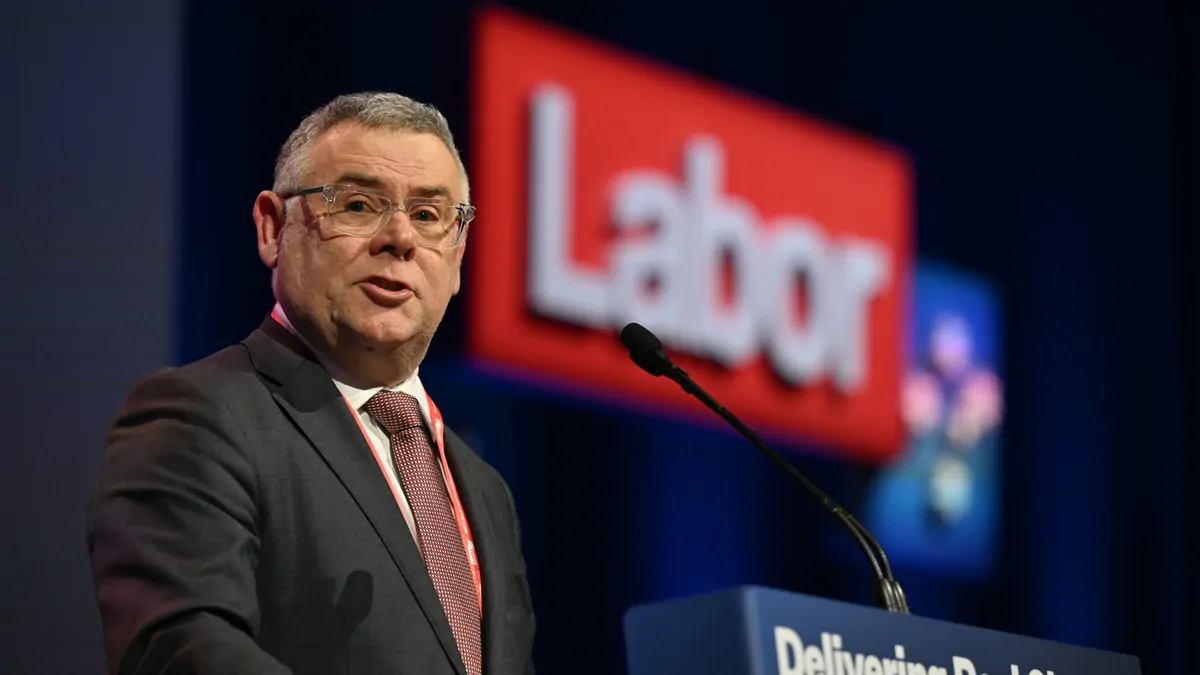
Trade Minister Don Farrell. Credit: Andrew McLeish/TheWest
“Now, there is a small paradox here that in the period since the so-called Liberation Day last year, Australian exports to the United States have increased, and we are now exporting 67 per cent more product into the United States than before the so-called Liberation Day, but we continue to maintain that these tariffs are unjustified,” he told reporters in Adelaide.
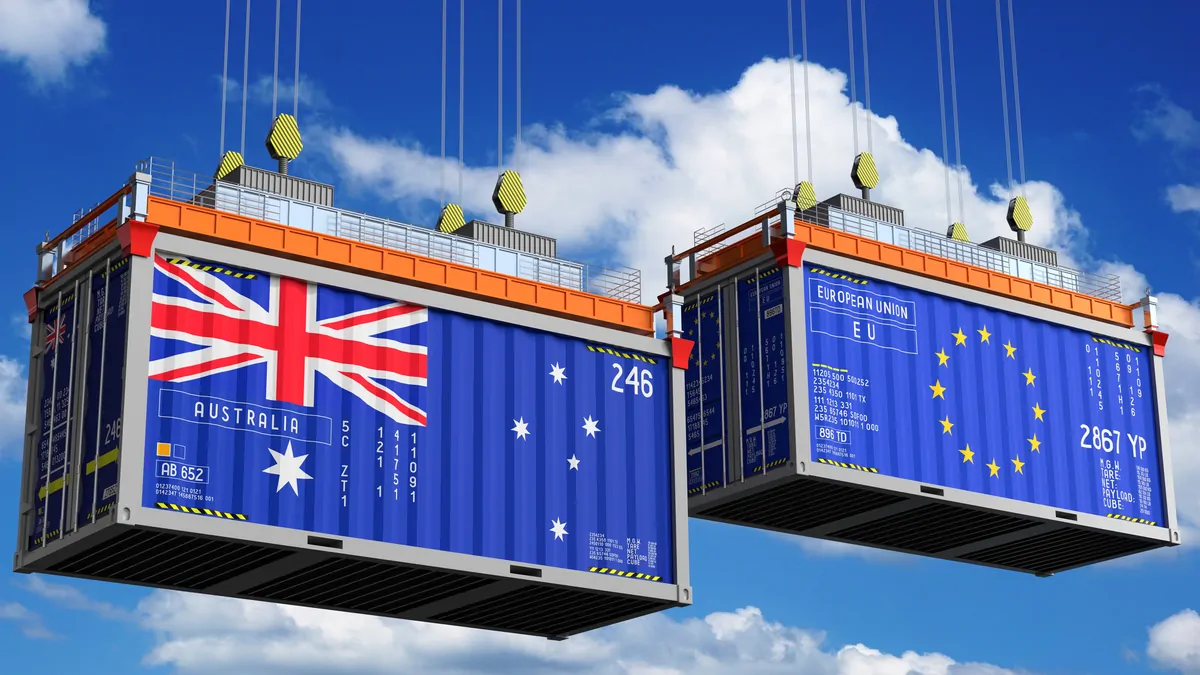
Australia would also be no worse off than 60 of the US’s trading partners, also including the likes of India and the European Union.
“Well, look, I don’t think that significantly has changed because some 60 other countries, who we would consider to be our competitors, have also been subject to this increase in tariffs, so I don’t think the relative position of Australia has changed,” he said.
Australia’s third biggest export to the US, pharmaceuticals, a trade last year worth $2.1 billion, still faces a 100 per cent tariff on generic medicines from August 2028, with the Trump Administration opposed to Australia’s Pharmaceutical Benefits Scheme.
Aluminium exports from Australia are also subject to a 50 per cent tariff.