A hostile Pakistan in the northwest always meant India had no direct access to Afghanistan and the lucrative Central Asian market. The hurdle needed to be overcome. It was way back in 2003 that India entered talks with Iran to develop the Chabahar port. A decade later, a partnership was formalised to operate one of the two terminals at the port. However, with a US waiver on sanctions imposed on the project expiring earlier this week, India finds itself back to square one. But, not quite. It is here that Delhi played a masterstroke.
Left with limited choices, India is now looking to temporarily transfer its stake in the Chabahar project to a local Iranian entity. As per a report, the arrangement will involve the Iranian entity managing operations during the sanctions period. However, once the restrictions are lifted, control will return to India. It’s what experts are calling “tactical pragmatism”.
It suggests Delhi is in for the long haul, like playing a test match.
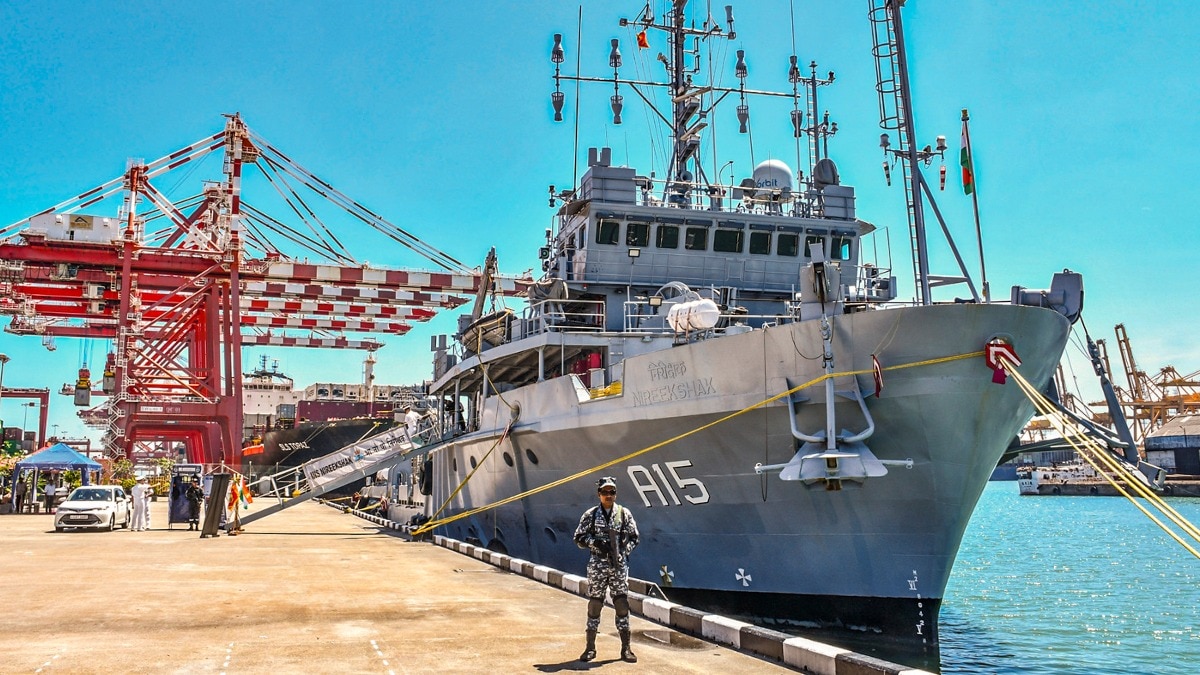
It was way back in 2003 that India entered talks with Iran to develop the Chabahar port (Getty)
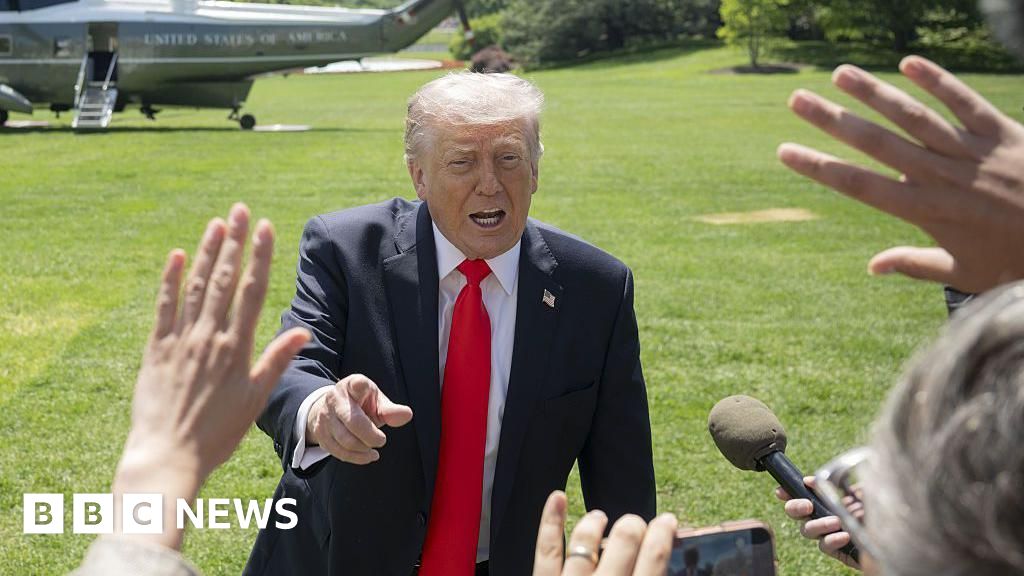
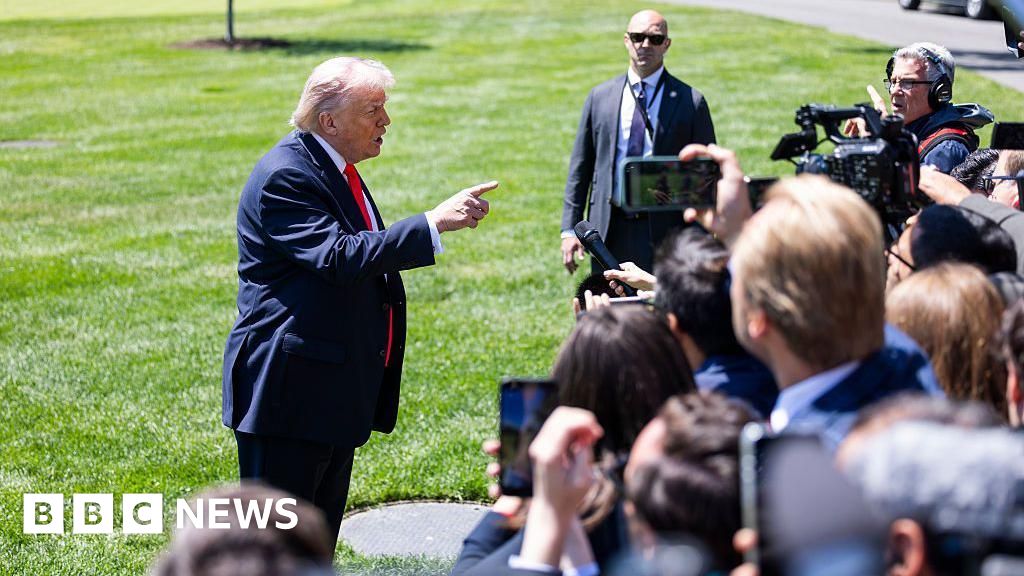
That’s precisely India’s game plan – not to fully retreat from Chabahar, while also avoiding a confrontation with Trump. It is an art India has perfected under Prime Minister Narendra Modi in dealing with an eccentric US President and geopolitical realities. For India, protecting its interests has been the cornerstone of its foreign policy.
THE CHABAHAR GAME PLAN
Even during the Iran war, India carefully balanced its relations with Iran and the US. The result was there for all to see – while Iran allowed tankers of “friend” India to cross the Strait of Hormuz, the US waived sanctions for the purchase of Russian oil. It helped India, the second largest importer of crude, meet its energy needs amid the Middle East turmoil.
This silent tightrope walk has been greatly effective for India. Imagine a trapeze artist who relies on precise timing and trust to perform feats high above the ground. The Chabahar Port gambit can be seen in that aspect.
By handing over the management to a local entity, India will create a distance between itself and potential US penalties. And when the time is right (i.e., when sanctions are eased), India can reclaim its stakes.
Basically, this is not an exit, as is being made out by the opposition, but a redesign, experts and former diplomats said. The MEA has said in its weekly briefing that India was in touch with both Iran and the US over the Chabahar issue.
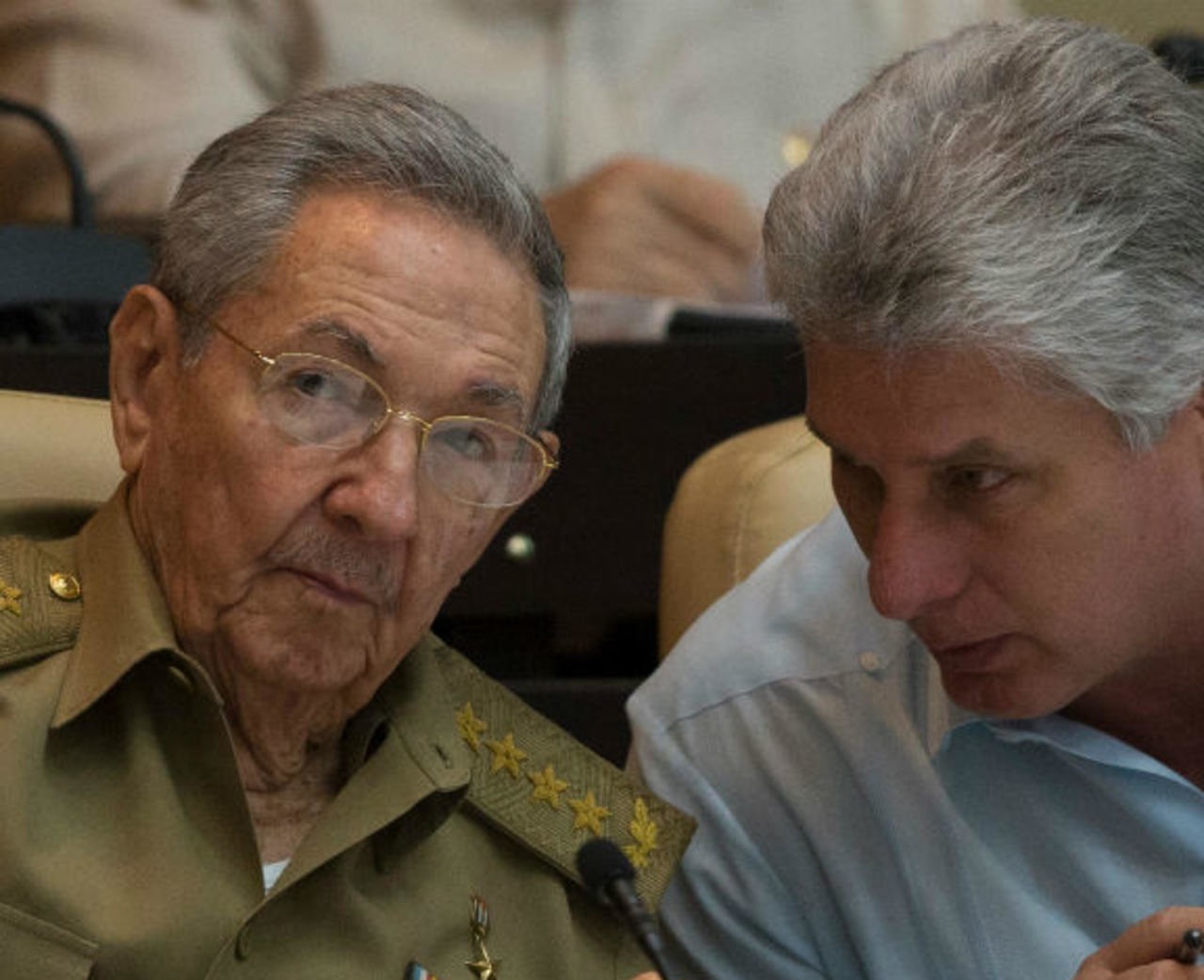
“The idea is to somehow get past this unavoidable conflict. In a situation like this, when you can’t steer it in either direction, the best is to keep balance and stay afloat,” former Indian ambassador Anil Trigunayat told IndiaToday.in.
Trigunayat, who has served as India’s envoy to Jordan and Libya, said it was very likely that, as a part of the settlement of this war, sanctions on Iran could be lifted. “So, the Chabahar issue could just be very temporary for India,” he said.
For India, retreating or abandoning the Chabahar Port is not an option. You don’t give up on your strategic jewel so easily.
“Despite the port being held hostage to the war and the sanctions regime invoked by Trump, quitting Chabahar entirely is not an option. The port is too valuable for India and its stakes in Afghanistan and Central Asia,” defence expert Sandeep Unnithan told IndiaToday.in.
There is a cultural link too. Chabahar and India find mention in the 10th-century Persian scholar Al-Biruni’s Kitab Tarikh Al-Hind (A History of India). In it, he described the coastal area near the Chabahar town as the “entry point of coastal India”.
WHY CHABAHAR PORT IS SO VITAL FOR INDIA?
It was in 2003 that India first engaged with Iran to develop the port. Its strategic value due to its geography is immense. Located in southeastern Iran, it sits perched on the Gulf of Oman.
For decades, India’s bugbear in reaching landlocked Afghanistan and Central Asia has been Pakistan’s choke points. Frequent tensions with Pakistan meant the land route to Central Asian nations was not an option.
The Chabahar port allows India to bypass Pakistan. Its distance from Gujarat is just around 1,000 km (550 nautical miles). In fact, the distance between Gujarat’s Kandla port and Chabahar is less than that of New Delhi to Mumbai.
From Chabahar, India has road or rail transit options through Iran to reach Afghanistan and Central Asia. For Tehran, Chabahar is the only Iranian port with direct access to the Indian Ocean.
The Chabahar port allows India to bypass Pakistan. Its distance from Gujarat is just around 1,000 km
For India, there is another important factor at play here.
In November 2016, Pakistan opened the China-backed Gwadar Port, which is just 170 km east of Chabahar. It is from here that the China-Pakistan Economic Corridor originates.
While it is officially a commercial port, India is wary that China could eventually use it for spying or strategic purposes in the Arabian Sea. Chabahar gives India a counterbalance.
Thirdly, the project is also linked to the International North-South Transport Corridor (INSTC), which aims to connect India with Europe and Russia.
Now, despite talks starting in 2003, it was only in 2015 that a deal was finalised where India would develop the Shahid Beheshti terminal (the other being the Shahid Kalantari terminal). In 2016, the deal was signed during PM Modi’s visit to Iran, where he committed up to $500 million. In 2024, the pact was renewed for 10 years.
For India, its investments in the port were slowly starting to bear fruit. Last year, in a reply in Parliament, the government said the Chabahar port registered over 82% growth in cargo handling in the last five years. It increased from 12,24,345 tonnes in 2020-21 to 22,32,002 tonnes during 2024-25.
Besides, the port served as the primary route for India to send wheat and medical supplies to Afghanistan during the recent floods and earthquake.
TRUMP, SANCTIONS AND INDIA’S STRATEGY
However, the return of Trump to the White House put the project at a crossroads. While Trump 1.0 built a carve-out for Chabahar in 2018 amid Iran sanctions, Trump 2.0 is more erratic and unpredictable. And one fine day in 2025, Trump decided to revoke the sanctions waiver.
On April 26, India eventually wound down its operations. But there’s a subtle difference between winding down operations and exiting it altogether.
“India is threading the needle: shifting from landlord to manager, from owner to operator,” explained geopolitical expert Brahma Chellaney.
India is now looking to temporarily transfer its stake in the Chabahar project to a local entity
Experts said India does not have much to lose financially. Its promised investments (cranes and other equipment) of $120 million have already been paid in February this year.
“These physical assets will effectively be ‘leased’ back to the port’s operations, keeping them under Indian control in all but name,” Chellaney tweeted.
Moreover, the Modi government didn’t allocate any funds for Chabahar in its Union Budget – a first in a decade. It invited fierce criticism from the opposition, which accused PM Modi of buckling under pressure from Trump and abandoning a crucial strategic project.
But, by potentially handing over the port’s operations to an Iranian entity temporarily, India is taking a safer route while tactfully circumventing Trump’s sanctions.
“Iranians do understand that this is an important port for us. Every effort is being made to secure India’s interests somehow and have an understanding with the Iranians,” former ambassador Trigunayat said.
On the other hand, India is also engaged in back-channel talks with the Trump administration to extend the sanctions waiver on Chabahar.
Thus, it is clear that India is not retreating from the Chabahar port project, but reducing its visible exposure to US sanctions without losing ground.
For a strategic port like Chabahar, which counterbalances both Pakistan and China, playing the long game is key. For now, India is not walking away, but just reshaping its role.
– Ends
Published By:
Abhishek De
Published On:
May 2, 2026 09:45 IST