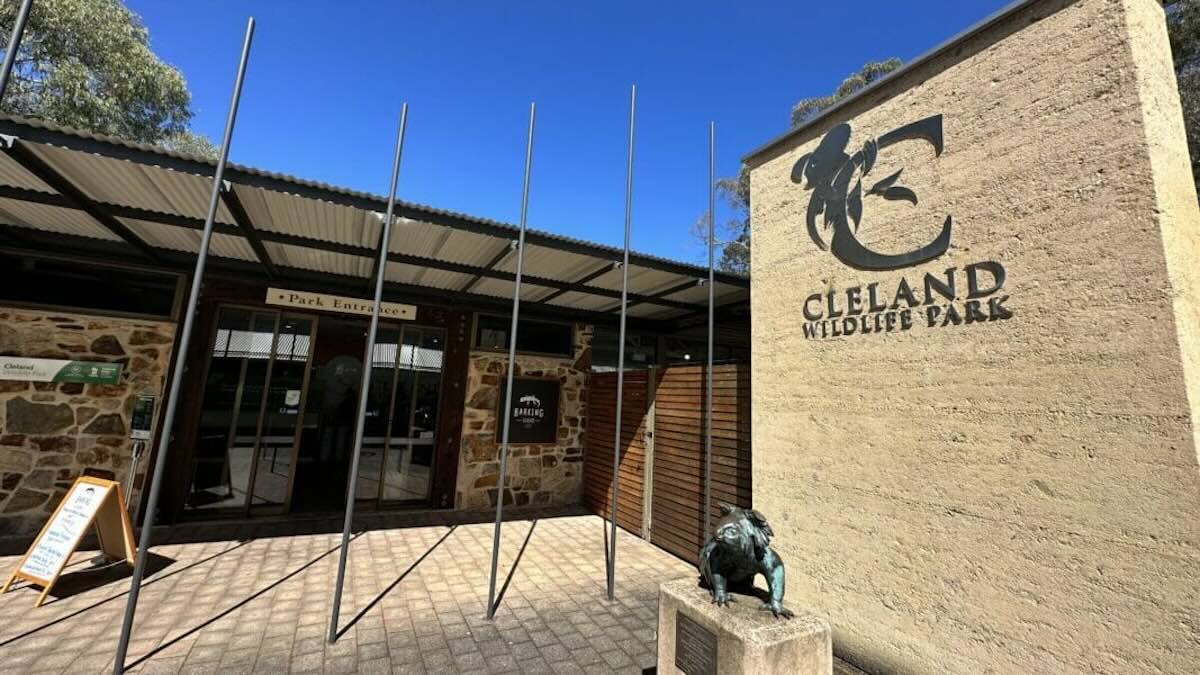
Image: Cleland Wildlife Park
Some of South Australia’s most vulnerable native birds are set to receive an extra layer of protection against bird flu, with a vaccination program approved for Cleland Wildlife Park.
The program will initially see up to 100 birds across more than 30 species vaccinated as part of the State Government’s response to the threat of H5 bird flu.
Among those approved for vaccination are critically endangered species including orange-bellied parrots and regent honeyeaters, alongside other native birds including magpie geese, Australian pelicans, regent parrots and red-tailed black cockatoos.
The vaccination program was developed by the South Australian Government and has received the necessary approvals under the national framework for targeted vaccination of priority native bird species that are captive or managed.
Species are considered for vaccination based on factors including their conservation status and value, the likelihood of contracting bird flu and whether vaccination can be safely and effectively delivered.
The move comes as authorities continue preparing for the potential spread of H5 bird flu in South Australia.
There have currently been no detections of H5 bird flu in poultry or other livestock in the state, while the risk to human health remains low.
For Cleland Wildlife Park, the vaccination program provides an additional measure of protection for birds that are already considered particularly important from a conservation perspective.
Minister for Primary Industries and Regional Development Clare Scriven said, “Protecting South Australia’s unique wildlife is a priority, and this vaccination program is an important step in safeguarding vulnerable native bird species from the threat of H5 bird flu.
“By vaccinating priority species at Cleland Wildlife Park, we are taking a proactive, evidence-based approach to help conserve some of our most valued and at-risk native birds.”
Minister for Climate, Environment and Water Emily Bourke added, “Cleland Wildlife Park is home to an array of native bird species that are not only incredibly important for conservation but also much-loved by visitors and tourists.
“Vaccinating wildlife is challenging because the bird flu vaccine requires multiple doses, making it difficult to catch the same bird twice, however, Cleland Wildlife Park provides an environment where successful vaccination of captive birds is achievable.”
The vaccine is intended to work alongside existing surveillance, biosecurity and conservation measures rather than acting as a standalone solution. Authorities are also urging South Australians to remain vigilant and report sick or dead birds and other wildlife.
Members of the public are advised not to touch sick or dead birds or wildlife. Sightings can be reported to the Emergency Animal Disease Hotline on 1800 675 888.