The Delhi Police has urged the Supreme Court to refer the issue of granting bail in terror cases under the Unlawful Activities (Prevention) Act (UAPA) to a larger bench, citing apparently conflicting rulings by coordinating benches on the legal standard in allowing the relief.
Additional Solicitor General SV Raju, appearing for the Delhi Police in the larger conspiracy case linked to the 2020 Delhi riots, made the submission before a bench of Justice Aravind Kumar and Justice PB Varale, which was hearing bail pleas filed by Delhi riots accused Tasleem Ahmed and United Against Hate member Khalid Saifi against the Delhi High Court’s refusal to grant them bail.
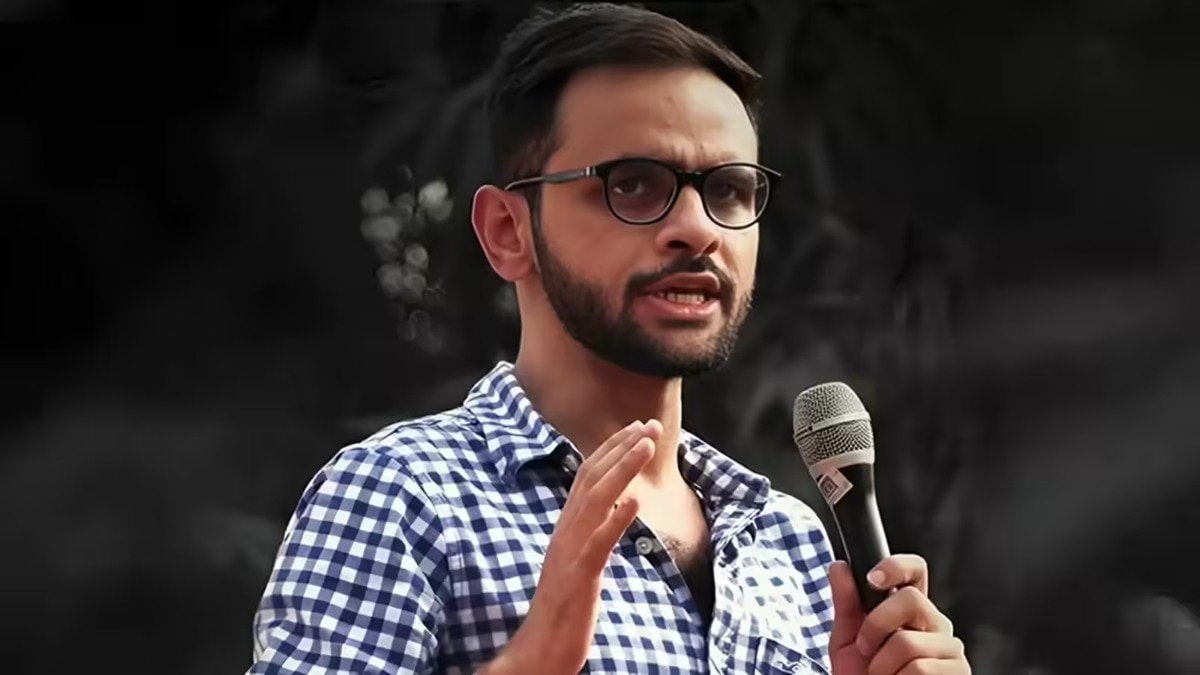
The development comes as the Supreme Court on Monday, while hearing a separate case, raised questions over the top court’s earlier order denying bail to activist Umar Khalid, reiterating that “bail is the rule and jail is the exception” even in cases under the UAPA.
The court observed that a binding precedent relating to prolonged incarceration appeared to have been overlooked in Khalid’s case. He has been in jail since 2020 in connection with the alleged larger conspiracy behind the Delhi riots.
ASG Raju requested that the matter be taken up on Wednesday to consider whether it should be referred to a larger bench. He said he required time to examine the Supreme Court’s judgment delivered on Monday in Syed Iftikhar Andrabi vs National Investigation Agency concerning bail under the UAPA.
On Monday, a bench of Justice BV Nagarathna and Justice Ujjal Bhuyan held that bail remains the rule even in UAPA cases and expressed reservations about earlier rulings that had adopted a narrower approach to granting bail under the law.
Justice Bhuyan on Monday specifically questioned the correctness of the rulings in the Khalid case and another UAPA case involving Gurwinder Singh in Punjab. The judgment observed that the denial of bail to Khalid and Imam appeared to have overlooked the three-judge bench ruling in Union of India vs KA Najeeb, which held that prolonged incarceration and the improbability of an early conclusion of trial could justify the grant of bail even in UAPA cases.
Justice Bhuyan said, “A judgment rendered by a bench of lesser strength is bound by the law declared by the bench of greater strength. Judicial discipline mandates that such a binding precedent must either be followed or, in case of doubt, be referred to a larger bench. A smaller bench cannot dilute, circumvent or disregard the ratio of a larger bench.”
In January, the Supreme Court granted bail to five accused in the Delhi riots larger conspiracy case while denying relief to Khalid and Sharjeel Imam. The remaining accused, including Ahmed and Saifi, subsequently approached the apex court seeking similar relief.
Meanwhile, a district court in Delhi’s Karkardooma on Tuesday rejected Khalid’s interim bail plea, which was sought on two grounds: the deteriorating health of his mother and the need for surgery, and his request to attend the 40-day mourning ceremony of his deceased uncle.
The court refused to grant interim bail on either ground. On the first plea, it observed that Khalid has five sisters and that his mother did not require his supervision. On the second, the court held that attending the mourning ceremony of his uncle was not “necessary”.
Delhi Police, opposing activist Khalid’s bail plea, told the court that releasing him on bail could have implications for public order.
– Ends
Published On:
May 20, 2026 10:14 IST