In this article
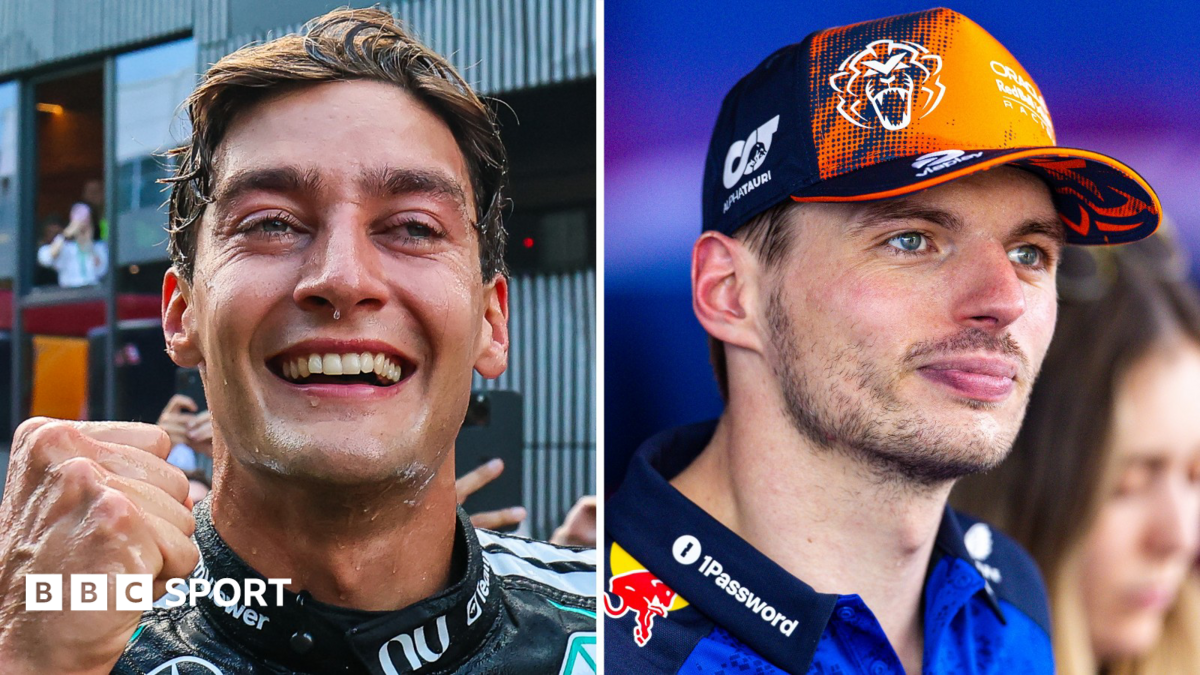
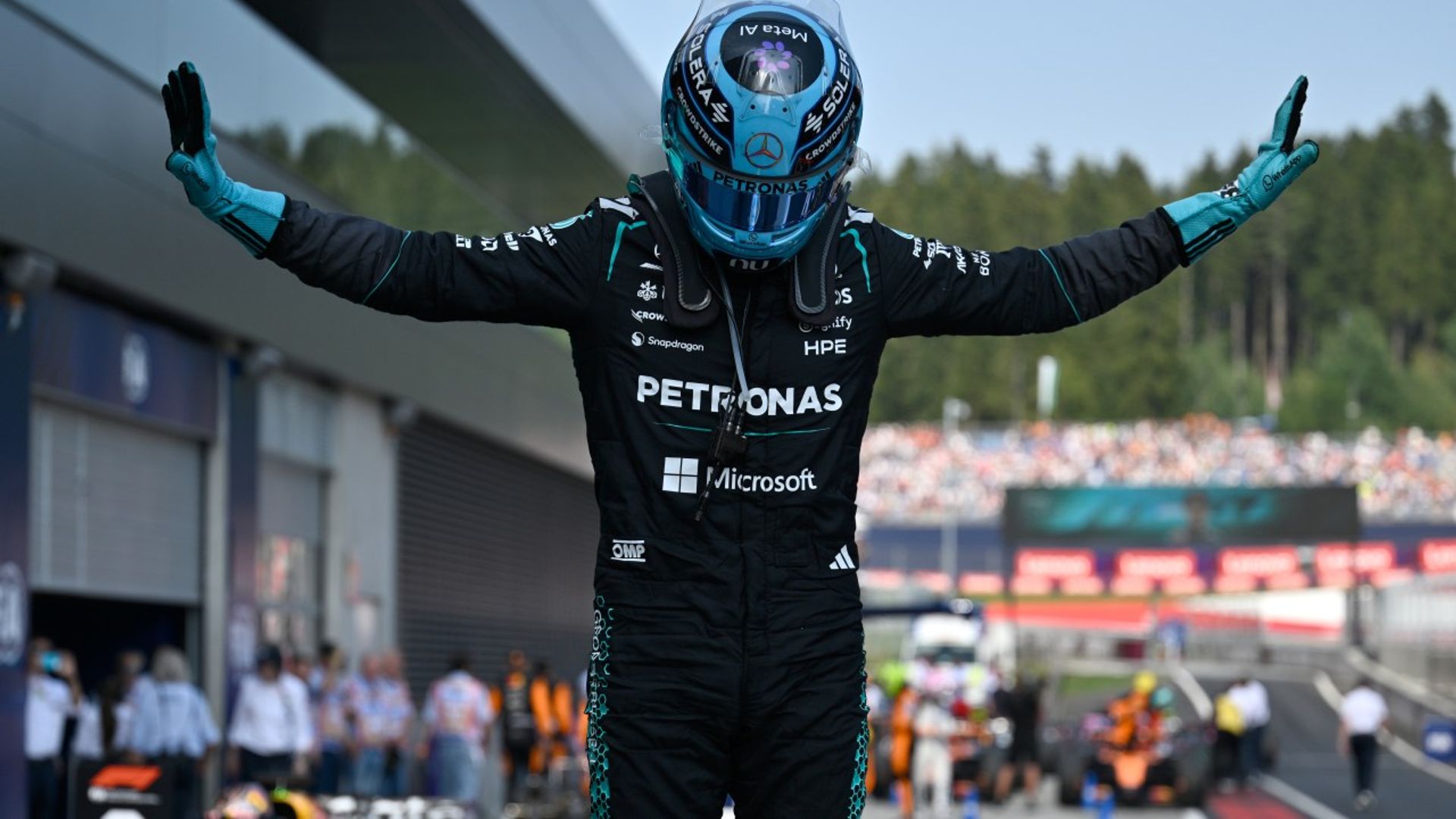
The Austrian GP victory belonged to George Russell. In the shadow of the Styrian Alps, the British driver delivered a commanding performance that announced Mercedes’ return to the front of the grid — and reminded the paddock why he remains one of Formula 1’s most complete talents.
A Statement Win at the Red Bull Ring
Russell controlled the race from lights to flag at the Red Bull Ring, managing tyre degradation with surgical precision and defending against sustained pressure from Max Verstappen in the closing stages. His victory margin — just over three seconds — belied the authority of his performance across 71 laps of the 4.318-kilometre circuit.
This wasn’t just a win. It was a statement.
Mercedes arrived in Spielberg with upgraded aerodynamic packages and a revised floor concept that had shown promise in simulator work but remained unproven in race conditions. Russell’s Austrian GP victory validated months of development work at Brackley and Brixworth, delivering the team’s first win since São Paulo last season.
George Russell Mercedes: The Evolution Continues
Russell’s development trajectory since joining Mercedes has been remarkable. The 27-year-old from King’s Lynn has evolved from promising understudy to genuine championship contender, combining raw pace with strategic maturity that rivals any driver on the grid.
His qualifying performance — securing pole position by two-tenths over Verstappen — demonstrated the one-lap speed that has become his calling card. But it was Sunday’s race management that showcased his growth:
- Tyre management: Russell extended his first stint three laps longer than strategists anticipated, building a crucial gap before his pit stop
- Defensive driving: Multiple robust but fair moves to keep Verstappen at bay through the high-speed Turns 8 and 9 complex
- Racecraft under pressure: Maintaining concentration through two safety car periods that could have undone his advantage
Source: F1
Red Bull Ring F1: Where Champions Are Made
The Red Bull Ring has developed a reputation for producing dramatic, unpredictable racing. Its short lap time — just over 63 seconds — and limited overtaking opportunities place enormous emphasis on qualifying performance and race-day execution.
Russell mastered both. His pole lap on Saturday featured a stunning final sector, carrying more speed through the uphill Turn 9–10 sequence than any competitor managed across the weekend. On Sunday, he controlled the race from the front — the most difficult way to win at this circuit.
The Austrian venue has witnessed some of Formula 1’s most memorable moments in recent seasons, and Russell’s performance now joins that lineage. For Mercedes, it represents vindication of their technical direction and a platform for the remainder of the campaign.
Mercedes’ Championship Credentials
One victory does not make a championship challenge. But Mercedes’ Austrian GP victory arrives at a pivotal moment in the season, with eight races remaining and both titles mathematically open.
The W16 — Mercedes’ 2025 challenger — has shown consistent improvement since its troubled debut in Bahrain. Upgrades introduced across the European leg have addressed the chronic porpoising issues that plagued the early flyaway rounds, unlocking performance that had remained trapped in the package.
Team Principal Toto Wolff described the win as “confirmation rather than surprise”, pointing to correlation between wind tunnel data and track performance that had been absent in previous seasons. The technical team’s ability to translate simulation work into genuine lap time represents a return to the methodical excellence that defined Mercedes’ hybrid era dominance.
The Championship Picture Shifts
Russell’s Austrian GP victory closes his deficit to championship leader Verstappen to 43 points — a significant but not insurmountable gap with 208 points still available. More importantly, it fractures the aura of inevitability that had surrounded Red Bull’s campaign.
Mercedes now head to the British Grand Prix at Silverstone — Russell’s home race — with genuine momentum and a car capable of fighting for pole position and victory. The psychological shift within the team is palpable, with Lewis Hamilton describing the atmosphere as reminiscent of their championship-winning seasons.
Bringing F1 Hospitality to the Gulf
For corporate decision-makers and sports enthusiasts across the Gulf region, Mercedes’ resurgence adds compelling narrative depth to the season’s climax at the Abu Dhabi Grand Prix. The prospect of a genuine title fight extending to Yas Marina elevates the commercial and hospitality value of F1’s season finale.
ES Sport’s premium hospitality packages for Abu Dhabi place guests at the centre of Formula 1’s most glamorous event, with access to exclusive viewing suites, paddock experiences, and networking opportunities with industry leaders. When championship stakes are genuine, the atmosphere becomes electric.
Russell’s Road Ahead
George Russell Mercedes partnership has now delivered seven career victories — a tally that places him among the sport’s elite active winners. His Austrian GP victory demonstrates he possesses the complete skillset required for sustained championship challenges: qualifying speed, race management, strategic intelligence, and mental resilience.
The coming rounds will test whether Mercedes can maintain this performance level across varied circuit characteristics. Silverstone’s high-speed corners and Spa’s elevation changes present different challenges to the Red Bull Ring’s compact layout.
But Russell has sent an unmistakable message to the grid. He is back. Mercedes are back. And the championship fight has been reignited at precisely the moment it threatened to become a procession.