A young Adelaide adult is fighting for their life in hospital after being diagnosed with invasive meningococcal disease, as new figures reveal a concerning rise in cases across South Australia.
SA Health confirmed on Saturday, October 31, that the patient, from metropolitan Adelaide, is in a critical condition on life support after contracting meningococcal B.
Health authorities have identified multiple people who came into contact with the patient, with seven people identified to receive clearance antibiotics to help prevent further transmission.
The latest diagnosis comes as South Australia records a significant increase in meningococcal cases compared with the same time last year.
So far in 2026, there have been 22 confirmed cases across the state, compared with just 13 at this point in 2025.
Of this year’s cases, 20 have been identified as meningococcal B, while one was meningococcal Y and another was non-serogroupable.
No deaths have been recorded from meningococcal disease in South Australia this year.
The potentially life-threatening infection can develop rapidly, making early recognition of symptoms and urgent medical treatment critical.
SA Health is reminding South Australians to remain alert to the warning signs, which can initially resemble other common illnesses.
Symptoms can include headaches, fever, vomiting, neck stiffness and discomfort when looking at bright lights.
In more serious cases, the illness can quickly progress to confusion and shock.
A distinctive skin rash may also develop, appearing as tiny red or purple spots that spread and enlarge to resemble fresh bruises.
Young children can display different symptoms, including unusual irritability, difficulty waking, refusal to eat, leg pain, cold hands and feet, or a high-pitched or moaning cry.
Their skin may also appear pale, blotchy or unusually coloured.
Importantly, a rash does not need to be present for someone to have meningococcal disease, and people should not wait for one to appear before seeking medical assistance.
SA Health has warned that meningococcal disease can progress extremely quickly and may be fatal without immediate medical intervention.
Anyone experiencing symptoms consistent with meningococcal disease should seek urgent medical attention.
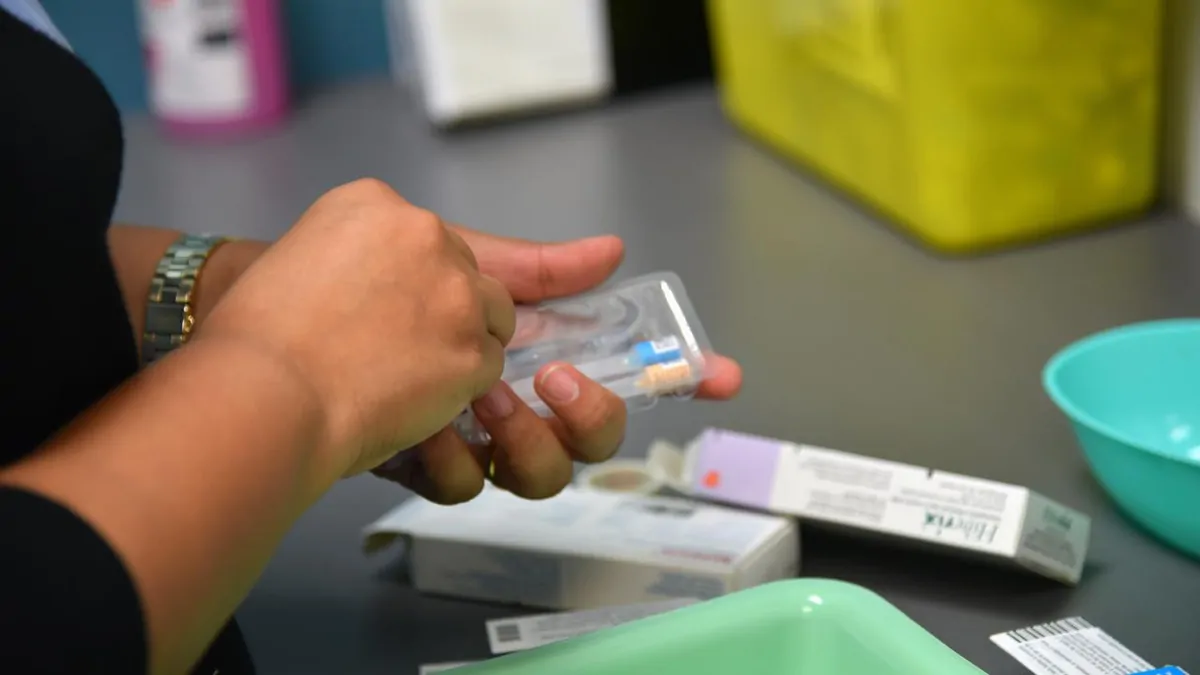
Vaccination remains an important way to protect against several types of the disease.
In South Australia, free meningococcal B vaccinations are available under government-funded programs for infants at six weeks, four months and 12 months, as well as adolescents in Year 10.
Free meningococcal ACWY vaccinations are also available for infants at 12 months and Year 10 students.
However, SA Health emphasises that vaccination does not protect against every type of meningococcal disease, meaning even vaccinated people should remain vigilant.
Health information has been provided to identified contacts of the latest case in accordance with national public health guidelines.
For more information about meningococcal disease, visit www.sahealth.sa.gov.au.
Related
Previous articleAdelaide weather forecast for Saturday October 31st and the days aheadNext articleSA veterans can get up to $5,000 for study as Veterans SA scholarships open