The U.S. government has announced sweeping changes to its student visa system, ending a long-standing immigration policy that allowed many international students and exchange visitors to remain in the country for the duration of their academic or professional programs.
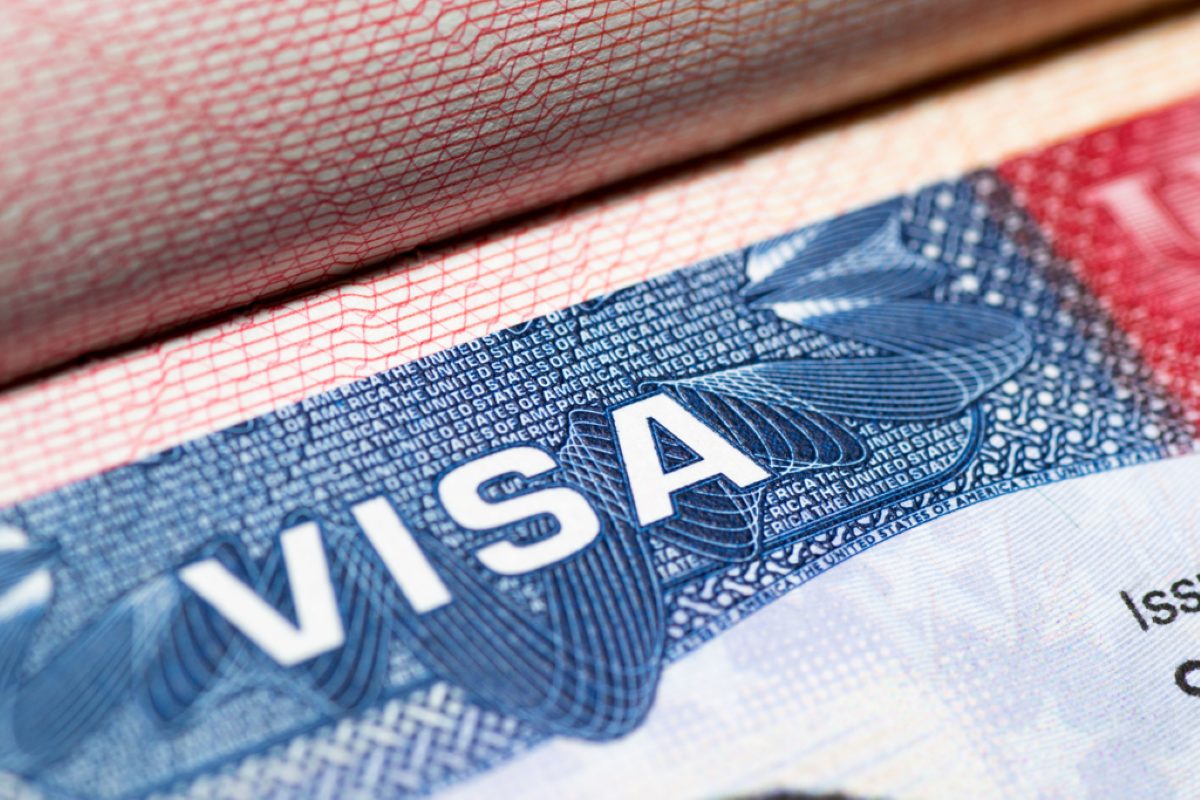
Under a new rule issued by the Department of Homeland Security (DHS), individuals traveling to the United States on F (student), J (exchange visitor), and I (foreign media) visas will now be admitted for a fixed period of time instead of under the decades-old “duration of status” (D/S) system.
For most students and exchange visitors, admission will be limited to the length of their academic program, up to a maximum of four years. Those who need additional time to complete their studies or training will be required to apply for an extension through U.S. Citizenship and Immigration Services (USCIS) before their authorized stay expires.
The new rule also shortens the grace period for many F-1 international students after completing their studies. Previously, graduates had 60 days to prepare for departure, transfer to another academic program, or apply for a change of status. Under the new policy, that window has been reduced to 30 days.
Federal officials say the changes are designed to strengthen oversight of the U.S. immigration system by creating more defined admission periods and improving compliance with visa requirements. The administration argues that fixed expiration dates will make it easier to monitor visa holders and reduce the risk of individuals remaining in the country beyond their authorized stay.
The policy has drawn concern from universities, immigration attorneys, and international education organizations, who say it could create additional uncertainty for students pursuing degrees in the United States. They argue that academic programs, research projects, and exchange opportunities often vary in length, making the extension process an added burden for students and educational institutions.
The rule applies to future admissions and is expected to take effect approximately 60 days after its publication in the Federal Register. Current international students already in the United States are encouraged to review the new requirements with their school’s international student office and determine whether they may need to apply for an extension in the future.
The United States remains one of the world’s leading destinations for international education, hosting hundreds of thousands of students each year. The new policy marks one of the most significant changes to student visa procedures in decades and is expected to affect future international students, exchange visitors, journalists, colleges, and universities across the country.