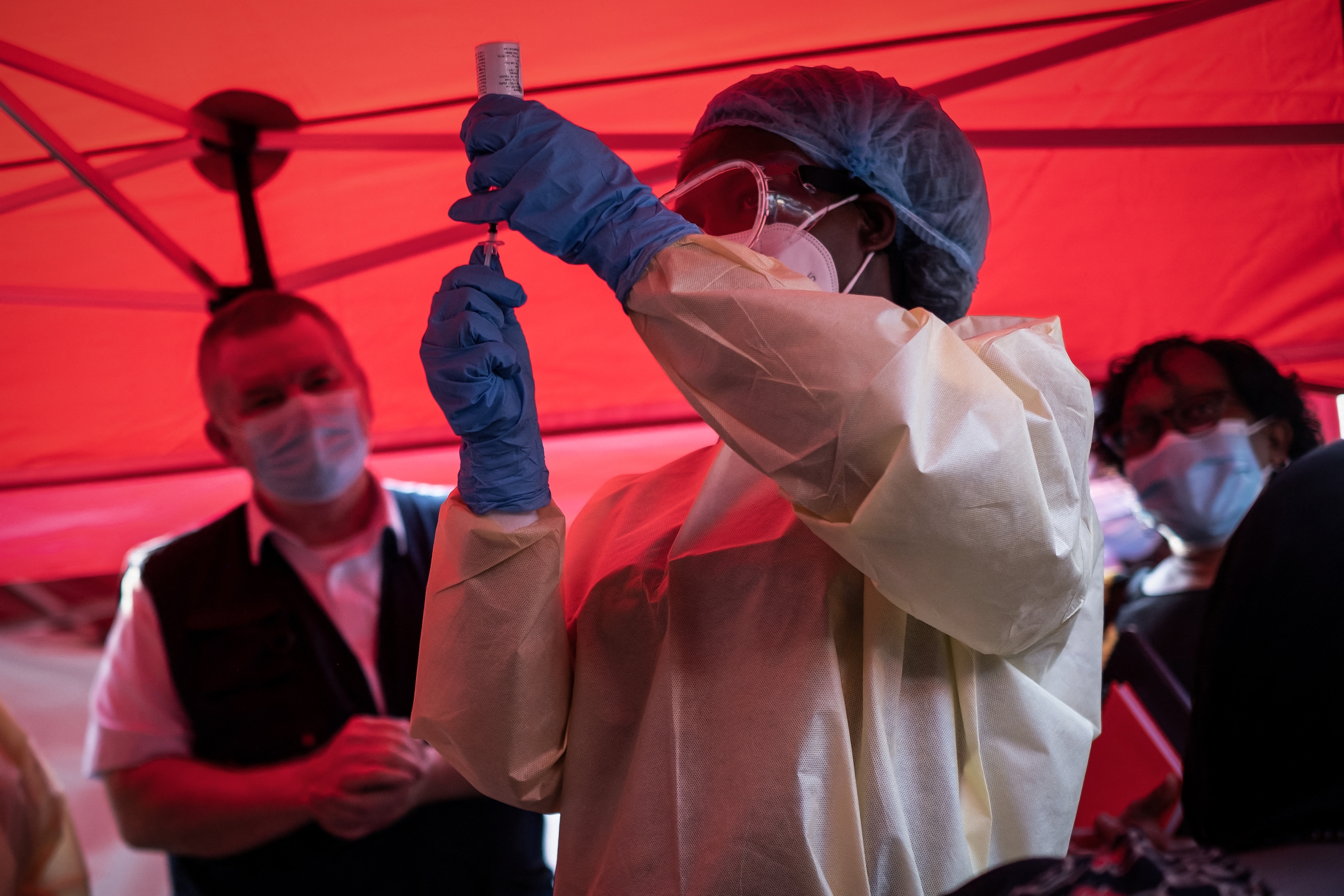
Scientists at the University of Oxford have announced plans to begin human trials of a new Ebola vaccine in the United Kingdom, less than two months after the World Health Organization (WHO) declared the current outbreak in the Democratic Republic of Congo (DRC) a global public health emergency.
The Phase 1 trial will evaluate the safety and immune response of an experimental vaccine targeting the Bundibugyo strain of Ebola, a less common but deadly variant responsible for the ongoing outbreak in the DRC.
Researchers said about 50 healthy adults between the ages of 18 and 55 will be enrolled in the study once regulatory approval is granted. Vaccinations are expected to begin in the coming weeks as volunteers are recruited.
“This milestone comes after only 57 days since the WHO declared the outbreak a public health emergency of international concern,” Prof. Teresa Lambe, the study’s lead scientific investigator, said in a statement.
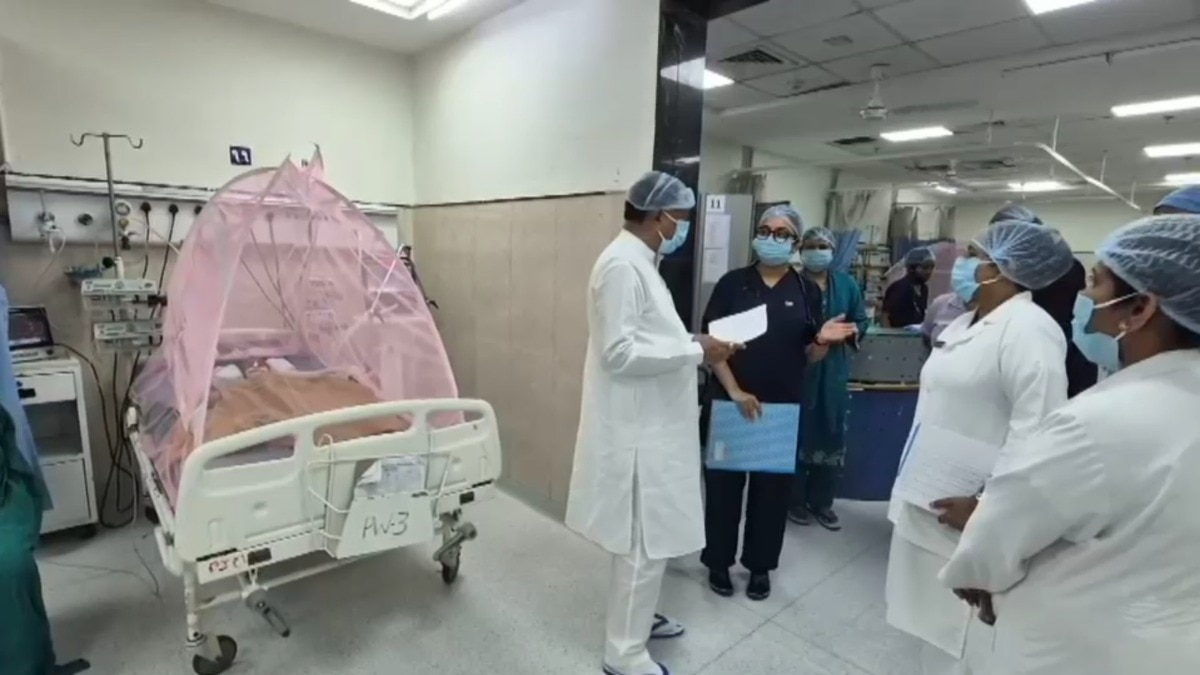
The announcement comes as the Bundibugyo outbreak continues to worsen, with more than 1,900 confirmed cases and more than 700 deaths reported in the DRC. Health officials have warned that the true number of infections could be significantly higher.
What Is the Bundibugyo Strain of Ebola?
The Bundibugyo virus is one of several species of the Ebola virus known to cause Ebola virus disease, a severe illness that can rapidly lead to organ failure, internal bleeding and death.
Unlike the better-known Zaire strain, the target of currently licensed Ebola vaccines, there is no approved vaccine specifically designed to protect against the Bundibugyo variant.
Ebola spreads through direct contact with the blood or other bodily fluids of an infected person or contaminated materials. It is not spread through the air like influenza or COVID-19.
How Does the New Vaccine Work?
The experimental vaccine, known as ChAdOx1 BDBV, uses the same chimpanzee adenovirus (ChAdOx1) vector platform used to develop the Oxford-AstraZeneca COVID-19 vaccine.
Scientists modify the harmless virus so it cannot replicate, then engineer it to carry genetic instructions that train the immune system to recognize and fight the Bundibugyo Ebola virus if exposure occurs.
Researchers say using an established vaccine platform helped accelerate development after the outbreak was identified.
Approximately 620,000 doses have already been manufactured and stockpiled for potential emergency use if the vaccine proves to be safe and effective.
Why Is Speed So Important?
Ebola outbreaks can escalate rapidly, particularly in areas facing conflict, limited healthcare infrastructure, and delayed diagnosis.
Symptoms typically appear between two and 21 days after infection and may initially resemble the flu, including fever, fatigue, muscle pain, and headache. As the disease progresses, patients may develop vomiting, diarrhea, internal bleeding, and multi-organ failure.
Early supportive treatment, including fluids, electrolyte replacement, and intensive medical care, can improve survival, but prevention remains one of the most effective tools for controlling outbreaks.
The upcoming Phase 1 study is designed to determine whether the vaccine is safe and whether it triggers an immune response in healthy volunteers. It will not test whether the vaccine prevents Ebola infection, which requires larger, later-stage clinical trials.
Still, infectious disease experts say reaching human testing within weeks of an outbreak declaration represents an unusually rapid scientific response.
Dr. Nicole Lurie, executive director for emergency preparedness at the Coalition for Epidemic Preparedness Innovations, called the trial “a pivotal milestone” in efforts to control the outbreak.
If successful, the vaccine could become the first specifically developed to protect against the Bundibugyo strain, adding another tool to global efforts to combat one of the world’s deadliest infectious diseases.