Health
The World Health Organization declared the outbreak a global health emergency Saturday, a day after it was first announced by Africa’s top public health authority.
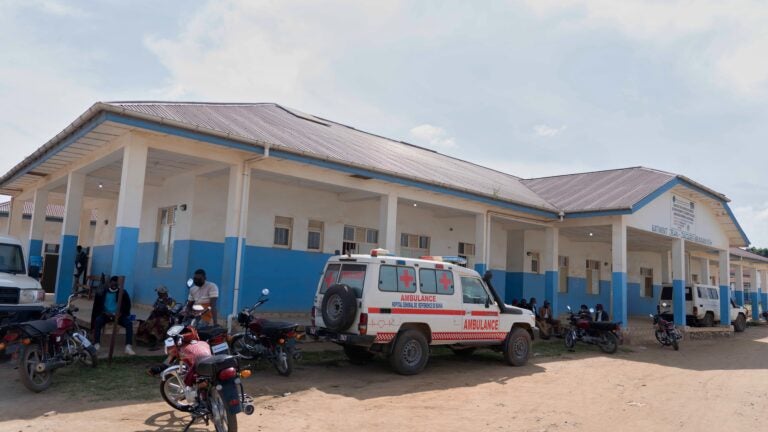
People wait near an ambulance at a hospital in Bunia, Congo, Sunday, May 17, 2026. AP Photo/ Dirole Lotsima Dieudonne
May 18, 2026 | 12:41 PM
2 minutes to read
Officials are working to withdraw a small number of Americans who have been directly affected by an outbreak of the deadly Ebola virus in Congo and Uganda, the Centers for Disease Control and Prevention said Sunday.
The World Health Organization declared the outbreak a global health emergency Saturday, a day after it was first announced by Africa’s top public health authority.
As of Sunday, there had been reports of over 330 suspected cases, including nearly 90 deaths, in Congo, according to the CDC. The outbreak was first identified in the country’s northeastern Ituri province.
So far, laboratory testing has definitively linked 10 cases to the virus. Two cases have also been confirmed in neighboring Uganda.
The CDC said Sunday that it was “supporting interagency partners who are actively coordinating the safe withdrawal of a small number of Americans who are directly affected by this outbreak.” The agency did not provide further details or say how many Americans had been affected.
At a briefing with reporters Sunday, Satish Pillai, the CDC’s Ebola response incident manager, declined to say whether any Americans had been exposed to the disease. He said only that the agency was “actively assessing the situation on the ground.”
The CDC noted that the risk to the American public and travelers remained low, and that the outbreak had not resulted in any confirmed cases in the United States.
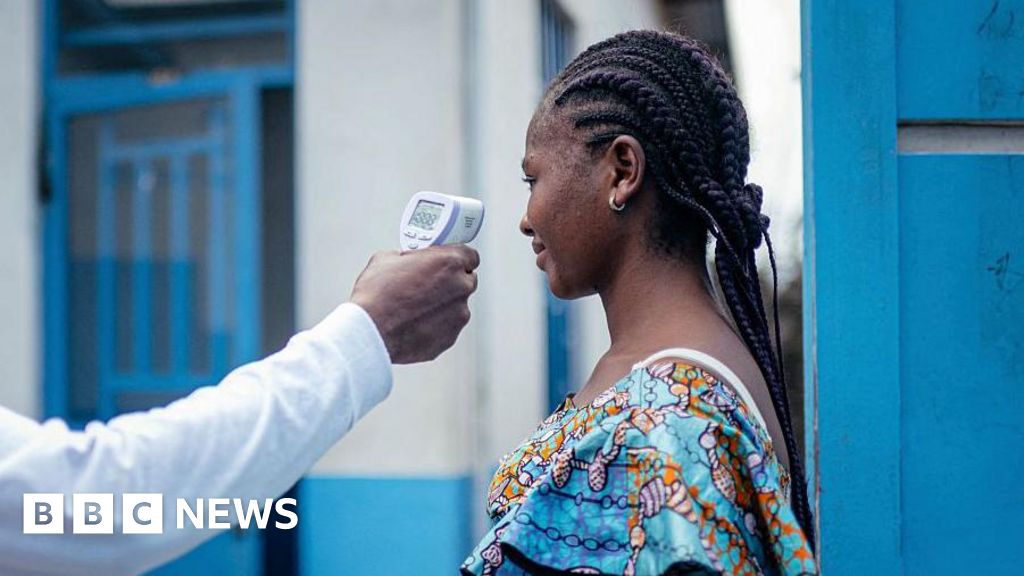
Pillai said he was unaware of any infected people boarding international flights, adding that travelers were being screened for symptoms when leaving Congo and Uganda and when arriving in the United States.
The type of Ebola virus behind the latest outbreak, known as Bundibugyo, has no targeted vaccine or treatment.
It has a mortality rate of 25% to 50%, and most of the cases in Congo to date have been in people ages 20 to 39, with over two-thirds being women, according to the CDC.
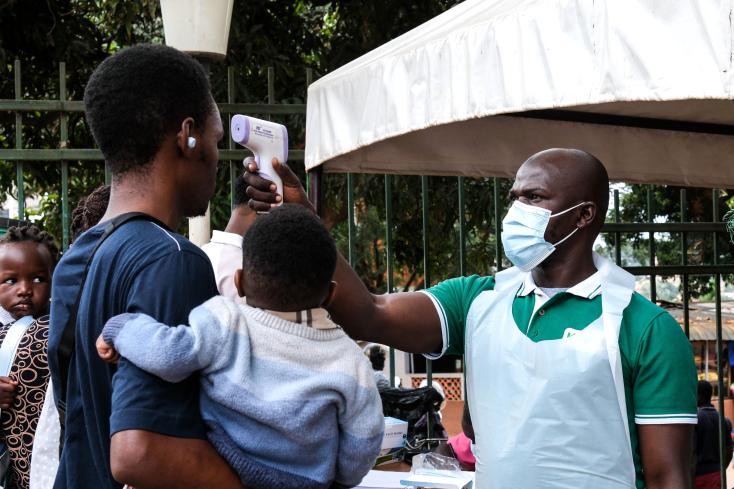
The agency has issued advisories for Americans traveling in Congo and Uganda, urging them to avoid contact with people who have symptoms like fever, muscle pain and rash, and to monitor themselves for symptoms.
The WHO declared the outbreak a “public health emergency of international concern” Saturday, noting that its scale could be far larger than what had been detected or reported.
It added that there were “significant uncertainties” about the precise number of people infected and the geographical spread of the outbreak, and that the risk of the outbreak spreading was exacerbated by factors that include a humanitarian crisis and high population mobility.
The U.S. Agency for International Development has played a major role in containing previous outbreaks, but the Trump administration closed it last year.
The administration also cut funding for the CDC, the country’s leading public health agency, and withdrew in January from the WHO.
This article originally appeared in The New York Times.
Extra News Alerts
Get breaking updates as they happen.