4 min readNew DelhiUpdated: Jun 26, 2026 05:49 PM IST
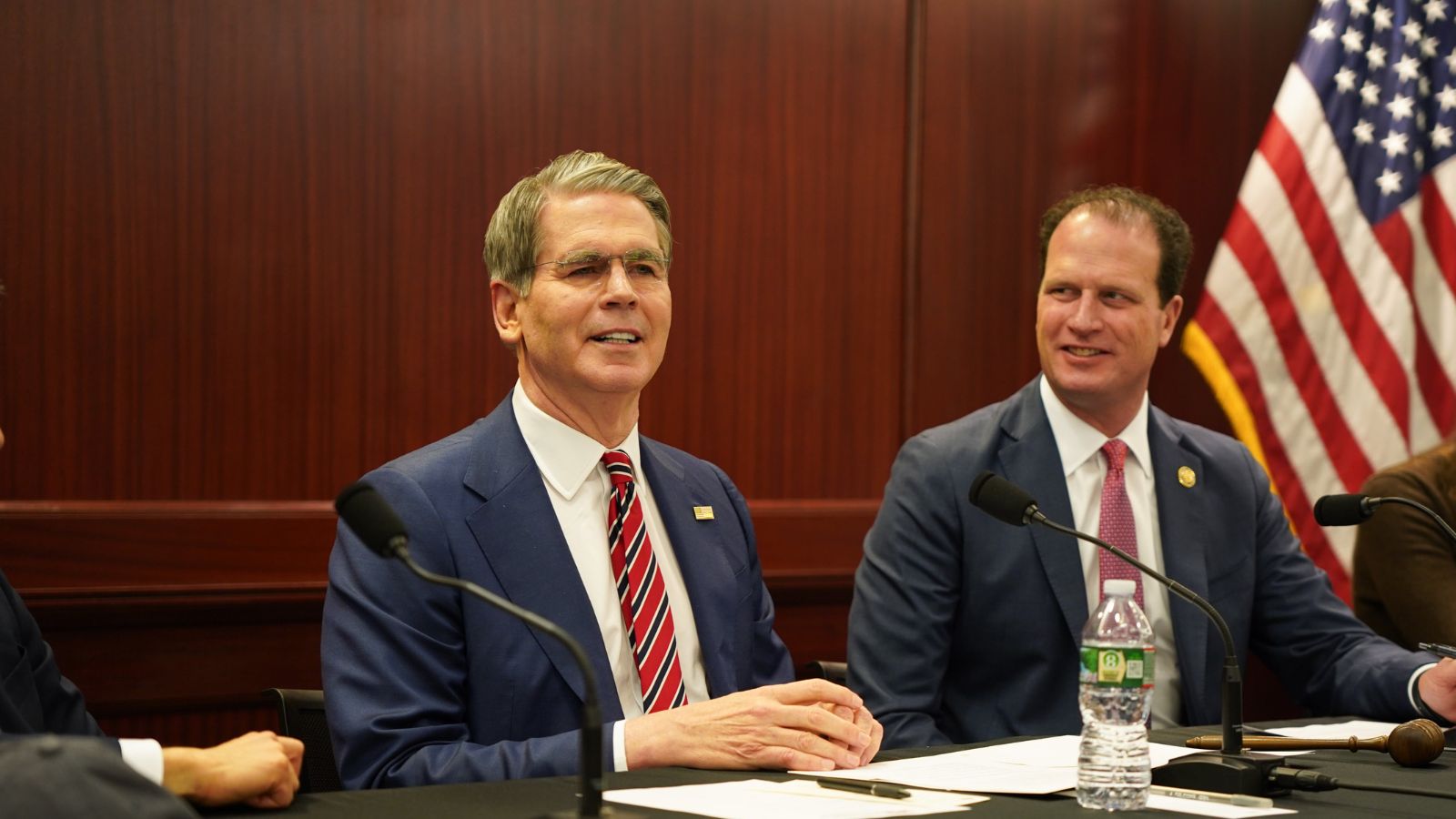
As Indian negotiators have pressed for better clarity on Section 301 tariffs and the need for a competitive edge over other countries before signing a trade deal, US Treasury Secretary Scott Bessent has said that the tariffs will return to the previous levels with the use of Section 301 of the US Trade Act of 1974.
“We have rebooted the tariff program. Right now, we have something called Section 122 tariffs, which is a 10 per cent global tariff. Currently, USTR Ambassador Jameson Greer is doing studies for Section 301s, and if those studies are successful, and I have no reason to believe they won’t be, but we don’t know until they are – then the tariff rates are going to go back to exactly where they were,” Bessent said in a TV interview.
The International Emergency Economic Powers Act (IEEPA) tariffs on India were set at 25 per cent before it was brought down to 18 per cent in February, just days before the US President Donald Trump’s powers under the IEEPA were declared illegal. Washington has already proposed 12.5 per cent tariffs on India, which is expected to come into effect on July 7. The results of another Section 301 are also expected before the end of next month.
“I would say the good thing about having used IEEPA in 2025.. it allowed us very quickly to get to trade deals that we never would have gotten to before. You know, the EU… the EU is going to pay us 15 per cent, and they are going to charge us zero. So we have had a big rebalancing there. And they are bringing down their non-tariff trade barriers, many of their unfair financing practices. And it’s the same around the world, whether it’s Japan, Korea, our allies… whether it’s China,” he said.
The Commerce and Industry Minister on Thursday said that the India-US trade deal was confirmed by both the countries on February 6 based on IEEPA tariffs, which gave India a competitive edge over competing countries such as Vietnam, Thailand, the Philippines, Indonesia, Malaysia and China and that India is looking for a similar advantage in the new US tariffs architecture.
Meanwhile, India has accelerated its attempts to strike more and more trade deals. The UK trade deal is set to come into effect next month, EU by the end of the year. The India-Oman deal also came into effect on June 1. Indian negotiators are also in talks with the Russia-led Eurasian Economic Union (EAEU), Canada, Peru and Chile.
Notably, the United States Trade Representative (USTR) was due to visit Uzbekistan after India this week. While the India-US deal was not announced, the US and Uzbekistan agreed to an early harvest of trade commitments to strengthen the bilateral ties.
Story continues below this ad
USTR had launched two sets of broad Section 301 investigations based on forced labour and excess capacity. India, China, the European Union, Japan, Vietnam, Taiwan, Switzerland and South Korea feature in both the lists, and the US has already proposed the first set of tariffs. However, countries like the UAE, the UK, Israel, Qatar, Saudi Arabia, as well as Pakistan only feature once and may face lower tariffs compared to other countries.
US proposed a lower rate of 10% on Pakistan, Canada, Ecuador, the European Union, Indonesia and Mexico, stating that they have demonstrated a commitment to addressing forced labour imports and have committed to imposing and enforcing a forced labour import prohibition through a formal Agreement on Reciprocal Trade (ART) with the United States.
Separately, the US has launched a third investigation on Vietnam and a fresh case against Germany. China has also been facing Section 301 tariffs since Trump’s first administration.