Overview:
Two people died after a sailboat, Massa Lasa, carrying passengers and cement capsized near Anse-à-Galets, a commune on the La Gonâve island in Haiti’s West Department. Authorities cite engine failure and rough seas, as critics point to overloading and weak maritime oversight.
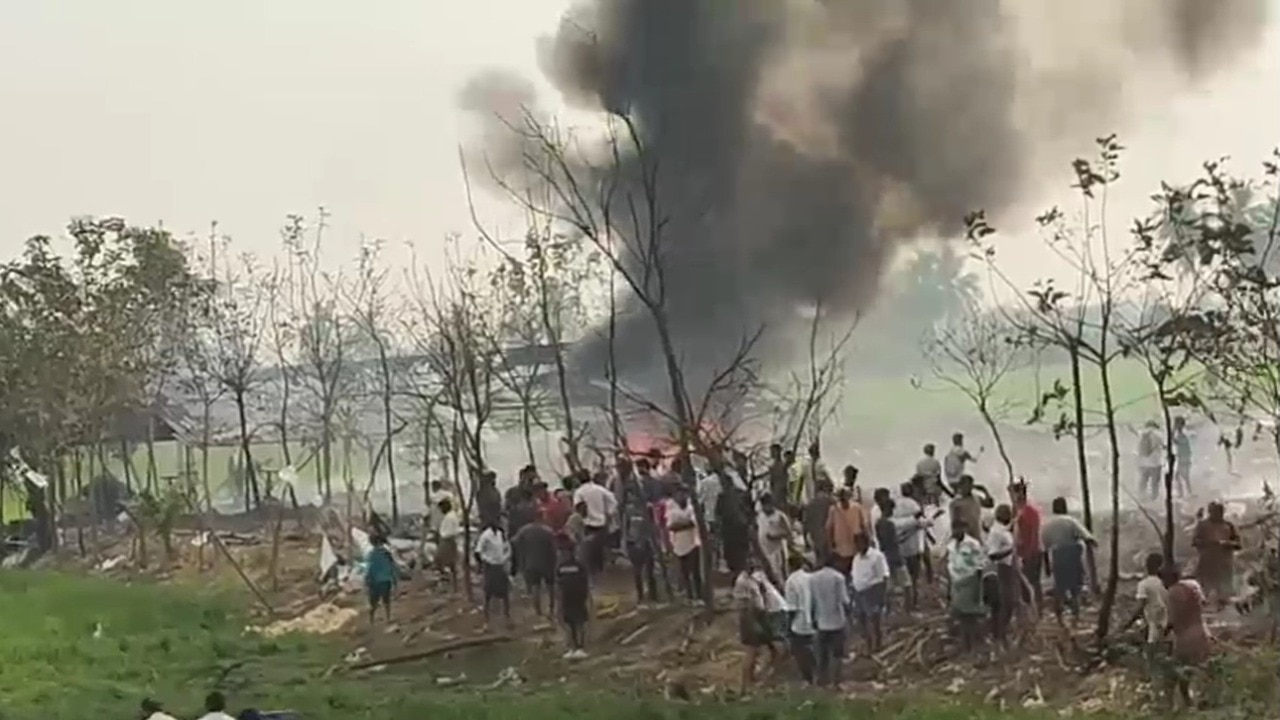
Two people died Feb. 24 after a small sailboat carrying passengers and hundreds of sacks of cement capsized in rough waters near Anse-à-Galets on the Golfe de La Gonâve Island. The accident once again exposed persistent safety concerns in Haiti’s maritime transport sector.
The vessel, Massa Lasa, left the Carriès dock, about 40 miles north of Port-au-Prince, bound for Anse-à-Galets with six people aboard and carrying 600 sacks of cement when its engine failed near the Trou Sable area around 2:20 p.m., according to Haiti’s Maritime and Navigation Service (SEMANAH) and the boat’s captain.
“Within minutes, the boat capsized under the pressure of the waves,” Captain Montal Milord said.
Osener Bisserette, known as “Blan,” a sailor and father from La Gonâve, and another resident— Berlineda Brice, 26— drowned. Four survivors were rescued and transported to Wesleyan Hospital in Anse-à-Galets. They were treated for shock and minor injuries, local sources said.
Milord said worsening winds and waves made repairs impossible after the engine stopped.
“When we arrived at Trou Sable, the engine stopped,” he said. “I tried to repair it. But the large waves and wind overturned the boat.”
A lifeline crossing — and a familiar risk
For the nearly 100,000 residents of La Gonâve Island, sea travel is the only reliable link to the country’s mainland. With limited infrastructure and no regular commercial ferry system, small wooden sailboats and motorized vessels transport food, fuel and construction materials between the mainland and the island daily.
That dependence places economic pressure on operators and often pushes them to carry heavy cargo loads, pushing vessels beyond safe capacity.
Maps showing the Gulf of La Gonâve Island. Credit: La Gonâve Haiti Partners
“The sea is the primary means of transportation for the inhabitants of La Gonâve,” said Macknel Blanc, a correspondent for the public station Radio Nationale d’Haïti. “A better organized and safer maritime system would protect lives and ensure reliable crossings.”
The Massa Lasa was carrying a substantial cargo for a small sailboat. Local resident Kaliko Anius criticized what he described as common overloading practices.
“A small wooden boat sometimes carries more than 13 pallets of cement. Even trucks struggle with such loads,” Anius said, calling for stronger intervention by SEMANAH.
“When the engine stopped at Trou Sable, the sea was already too rough. Within minutes, the boat capsized under the pressure of the waves.”
Montal Milord, captain of the Massa Lasa
Questions have also been raised about the availability of life jackets. Witnesses said not all passengers were equipped with flotation devices — a recurring issue in local maritime travel.
“If the sector were properly regulated, everyone would be required to wear a life jacket,” said Jean Mondésir, another La Gonâve resident. “Lives are being lost over equipment that can cost as little as $30.”
A pattern of deadly accidents
The sinking of the Massa Lasa is not an isolated incident. It adds to a long history of maritime accidents around La Gonâve and along Haiti’s coastline, where weak enforcement, aging vessels and limited inspections continue to put travelers at risk.
In recent years, multiple boats have capsized around La Gonâve, including deadly wrecks in 1997, 2011, 2012, 2022 and 2023. Each incident prompted renewed calls for reform, including stricter inspections, mandatory certification for captains and clearer cargo limits.
However, enforcement remains inconsistent.
The Radio Nationale d’Haïti’s correspondent in the region said a safer maritime organization remains urgently needed.
“In La Gonâve, families are mourning the deaths of Bisserette and Brice. For the survivors, the crossing that sustains daily life has once again revealed its dangers,” Blanc said.
Despite existing regulations, observers say inspections, cargo limits and safety requirements are rarely enforced at informal coastal docks serving remote communities.
Without sustained enforcement, residents say, the sea will remain both a lifeline and a source of recurring tragedy.
Like this:
Loading…