Nearly three decades after the rap icon was fatally shot, jurors hear competing accounts of whether Duane “Keffe D” Davis helped organize the attack
LAS VEGAS — Nearly 30 years after the killing of hip-hop legend Tupac Shakur, a Las Vegas jury is finally hearing evidence in a murder trial that could determine whether prosecutors have solved one of the most notorious crimes in music history.
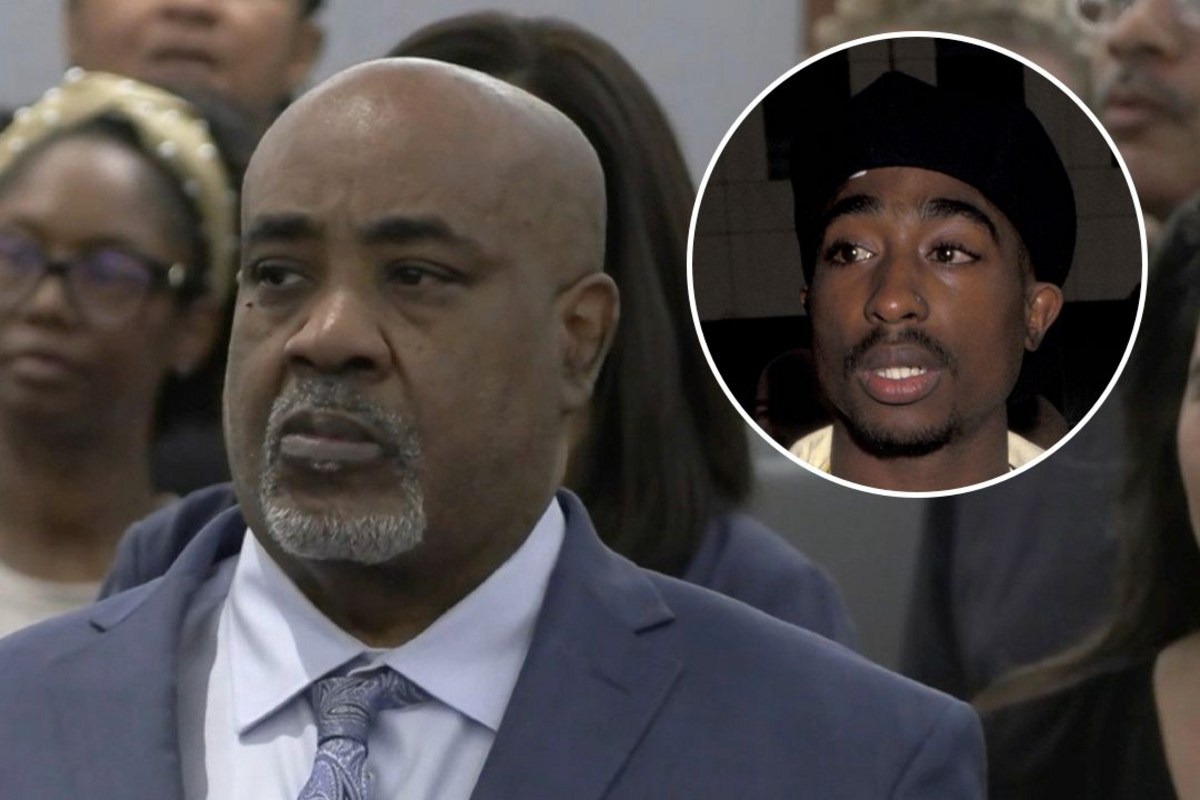
The trial of Duane “Keffe D” Davis, 63, opened with prosecutors portraying the former gang figure as a central organizer of the September 1996 drive-by shooting that ultimately claimed Shakur’s life.
Davis has pleaded not guilty and denies responsibility for the rapper’s death.
Prosecutors acknowledge that they do not accuse Davis of personally firing the weapon. Instead, their case rests on the allegation that he helped plan and facilitate the shooting as retaliation following a violent confrontation earlier that evening.
Prosecutors Say Revenge Motivated the Attack
The prosecution’s opening presentation focused heavily on the events surrounding September 7, 1996, when Shakur attended a heavyweight boxing match involving Mike Tyson at the MGM Grand in Las Vegas.
After the fight, Shakur and several associates became involved in an altercation inside the hotel involving Orlando Anderson, Davis’ nephew.
Prosecutors contend that the confrontation triggered a search for Shakur and ultimately led to the shooting later that night.
Their theory is that Davis played an organizing role in that retaliation.
Under Nevada law, prosecutors do not necessarily have to prove that Davis personally pulled the trigger if they can establish beyond a reasonable doubt that he participated in the killing in a way that makes him legally responsible.
That distinction is expected to become one of the central issues of the trial.
Witnesses Revisit Chaotic Night in Las Vegas
The first witnesses transported jurors back to the atmosphere surrounding the shooting and the complicated relationship between hip-hop, street gangs and law enforcement during the 1990s.
One witness described the aftermath as a moment when “all hell broke loose.”
Shakur was riding in a BMW driven by Death Row Records co-founder Marion “Suge” Knight when another vehicle pulled alongside them near the Las Vegas Strip.
Gunfire erupted.
Shakur was struck multiple times, while Knight was also wounded. The 25-year-old rapper was hospitalized and died six days later, on September 13, 1996.
The killing stunned the music world and quickly became one of America’s most famous unsolved murder cases.
Davis’ Previous Statements Expected to Play Major Role
A crucial part of the prosecution’s case is expected to involve statements Davis made publicly over the years.
Prosecutors have pointed to interviews and a memoir co-authored by Davis in which he discussed events surrounding the night Shakur was shot.
Those accounts attracted significant attention because Davis described details about the people allegedly inside the vehicle connected to the shooting and his own presence during events surrounding the attack.
Prosecutors are expected to argue that those statements support their contention that Davis was deeply involved in what happened.
The defense, however, is expected to challenge how those statements should be interpreted and whether they constitute reliable evidence of criminal responsibility.
That distinction could prove critical.
Talking publicly about knowledge of a crime is not automatically the same as proving participation in that crime. Prosecutors must connect Davis to the killing through evidence that satisfies the criminal standard of proof beyond a reasonable doubt.
A Case Complicated by Three Decades of History
The passage of time presents significant challenges for both sides.
Nearly three decades have passed since the shooting. Memories can fade, witnesses can become unavailable and physical evidence may be more difficult to evaluate.
The cultural environment surrounding the original investigation also matters.
The mid-1990s represented an intensely competitive period in hip-hop, particularly amid the highly publicized rivalry between artists and record labels associated with the East and West Coasts.
Investigators also encountered reluctance among some witnesses to cooperate with police.
Those factors contributed to years of speculation, conspiracy theories and unanswered questions surrounding Shakur’s death.
Why Davis Is the Only Person on Trial
Davis is the only person ever criminally charged in connection with Shakur’s killing.
Several other figures historically linked to the investigation have since died, making the current prosecution an unusually late attempt to establish criminal responsibility.
Davis was arrested in September 2023, more than 27 years after Shakur was shot.
His indictment represented the biggest development in the case since the rapper’s death and renewed worldwide attention on a mystery that has persisted across generations.
Tupac’s Influence Remains Powerful
The significance of the trial extends well beyond the courtroom.
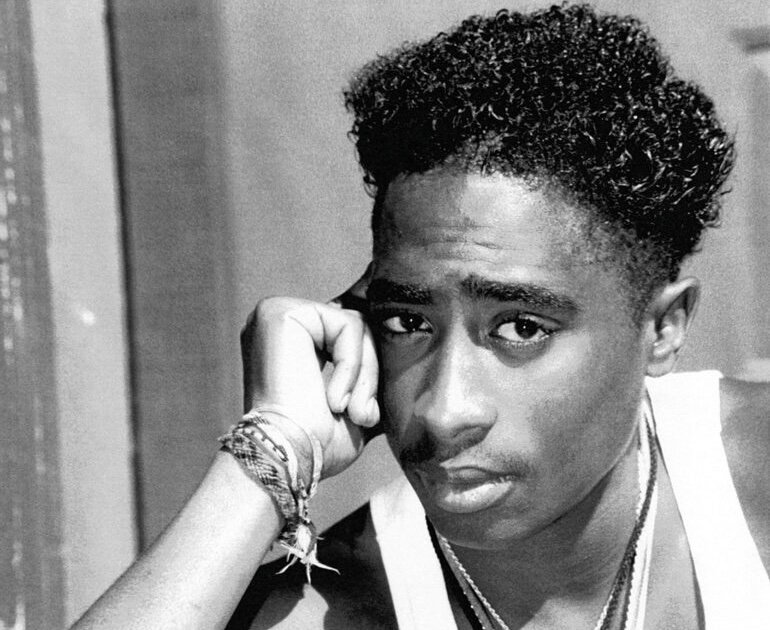
Shakur became one of the defining voices of 1990s hip-hop, combining songs about poverty, racism, violence and social inequality with deeply personal reflections on family, ambition and survival.
His career was remarkably brief, yet his influence has continued for decades.
Albums, films, poetry and archival recordings have kept his work alive for generations of listeners who were not even born when he died.
That enduring cultural importance explains why the Las Vegas proceedings are attracting international attention nearly 30 years later.
The Jury Must Separate Legend From Evidence
For prosecutors, the challenge is to transform decades of public statements, witness testimony and investigative findings into a legally persuasive case against Davis.
For the defense, the task is to demonstrate that speculation and historical accounts surrounding one of America’s most famous unsolved murders do not establish guilt beyond a reasonable doubt.
The trial is expected to revisit some of the most heavily scrutinized moments in hip-hop history.
But jurors will ultimately face a much narrower question than the one fans have debated for three decades.
They are not being asked to resolve every mystery surrounding Tupac Shakur’s death.
They must determine whether prosecutors can prove that Duane Davis was criminally responsible for helping orchestrate the shooting that killed him.
Until the jury reaches that decision, Davis remains presumed innocent.
The HMI Magazine | Entertainment