


Tilfi describes this bride as someone seeking “meaning over spectacle”. Handloom bridalwear allows garments to become “a living archive”, carrying memory, craftsmanship and storytelling within the textile itself.
This archetype has emerged partly as a response to bridalwear becoming overly image-led. Brides are increasingly drawn towards pieces that feel visibly human rather than algorithmically perfect. “There’s renewed attention to where and how things are made,” Tilfi explains. “When heritage is presented as a living continuum rather than a museum piece, it resonates deeply with women seeking a more personal and thoughtful connection to what they wear.”
The intrigue lies in intimacy. Handwoven fabrics reveal themselves slowly: the weight of silk, the irregularity of zari, the heaviness of a brocade border during the pheras. Nothing feels factory-made or visually airbrushed.
The maximalist bride
Then, of course, there is the bride who sees restraint as an unnecessary suggestion.
The maximalist bride approaches weddings the way films approach climax scenes: more crystals, more embroidery, more drama, more volume.
This is the bride for whom embroidery should catch chandeliers, dupattas can take on train-like proportions and a blouse can carry as much narrative as the lehenga. Nothing is accidental, even when the effect is lavish.
For this bride, the wedding is one of the few occasions where a crystal-covered lehenga, a sweeping veil and major jewellery all make sense together. Indian weddings have always contained theatre, and she commits to the full production.
The artsy bride
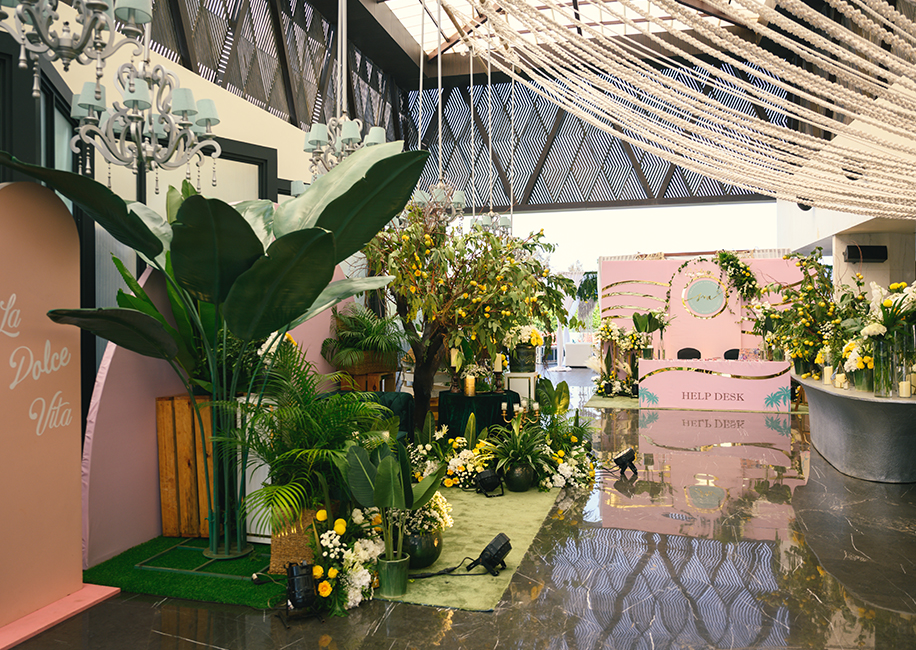
The artsy bride wants her wedding to feel layered and a little unexpected. She gravitates towards unusual sari styling, vintage jewellery, artful florals and details that might confuse people at first before becoming the thing everyone remembers. Her bridal wardrobe is often informed by cinema, interiors, art direction and fashion editorials rather than conventional wedding imagery.
This bride gravitates towards atmosphere: handwritten menus, candle wax melting onto tables, old silverware, asymmetrical flowers and playlists that avoid generic wedding music entirely. Her lehenga may be traditional, but she will style it with something unexpected enough to make it feel entirely her own.
The artsy bride’s ensembles signal her own references, whether that means cinema, interiors, vintage fashion or art books. Which perhaps explains the larger change within Indian weddings themselves. Brides are no longer asking what a bride should look like. They are asking which version of themselves deserves the day.


-114.jpg "This wedding in Mexico brought South Indian rituals to the rooftops and gardens of San Miguel")