Understanding the Significance of Eid al-Fitr
Eid al-Fitr is one of the most important and cherished festivals in Islam. It marks the end of the holy month of Ramadan, a sacred period during which Muslims around the world observe fasting from dawn until sunset. Throughout Ramadan, believers dedicate themselves to prayer, self-discipline, charity, and spiritual reflection.
The festival of Eid al-Fitr celebrates the completion of this spiritual journey. It is a time of gratitude, joy, and togetherness. Families gather, communities celebrate, and people express thanks for the strength and patience that helped them complete a month of fasting and devotion.
The festival is not only about celebration but also about compassion and generosity. Muslims are encouraged to share their blessings with those in need, ensuring that everyone can participate in the festivities. This spirit of unity and kindness lies at the heart of Eid al-Fitr.
The Date of Eid al-Fitr
Eid al-Fitr takes place immediately after Ramadan ends. The Islamic calendar follows the lunar cycle, meaning the exact date changes every year in the Gregorian calendar.
The festival begins with the sighting of the new crescent moon, which signals the start of the month of Shawwal. Because the moon must be sighted, the precise date can vary depending on geographic location and astronomical observation.
In 2026, Eid al-Fitr is expected to fall around Friday, 20 March, although the final confirmation depends on the sighting of the moon. Celebrations usually continue for several days, allowing families and communities to spend time together and take part in festive activities.
Preparations for the Festival
Preparations for Eid al-Fitr often begin during the final days of Ramadan. Homes are cleaned and decorated, and people shop for new clothes to wear on the special day. Markets become lively as families buy sweets, gifts, and ingredients for traditional meals.
A key religious practice before the Eid prayer is the giving of Zakat al-Fitr. This charitable donation ensures that those who are less fortunate can also celebrate the festival with dignity and joy. By sharing food or financial assistance, Muslims emphasize the importance of compassion and equality within the community.
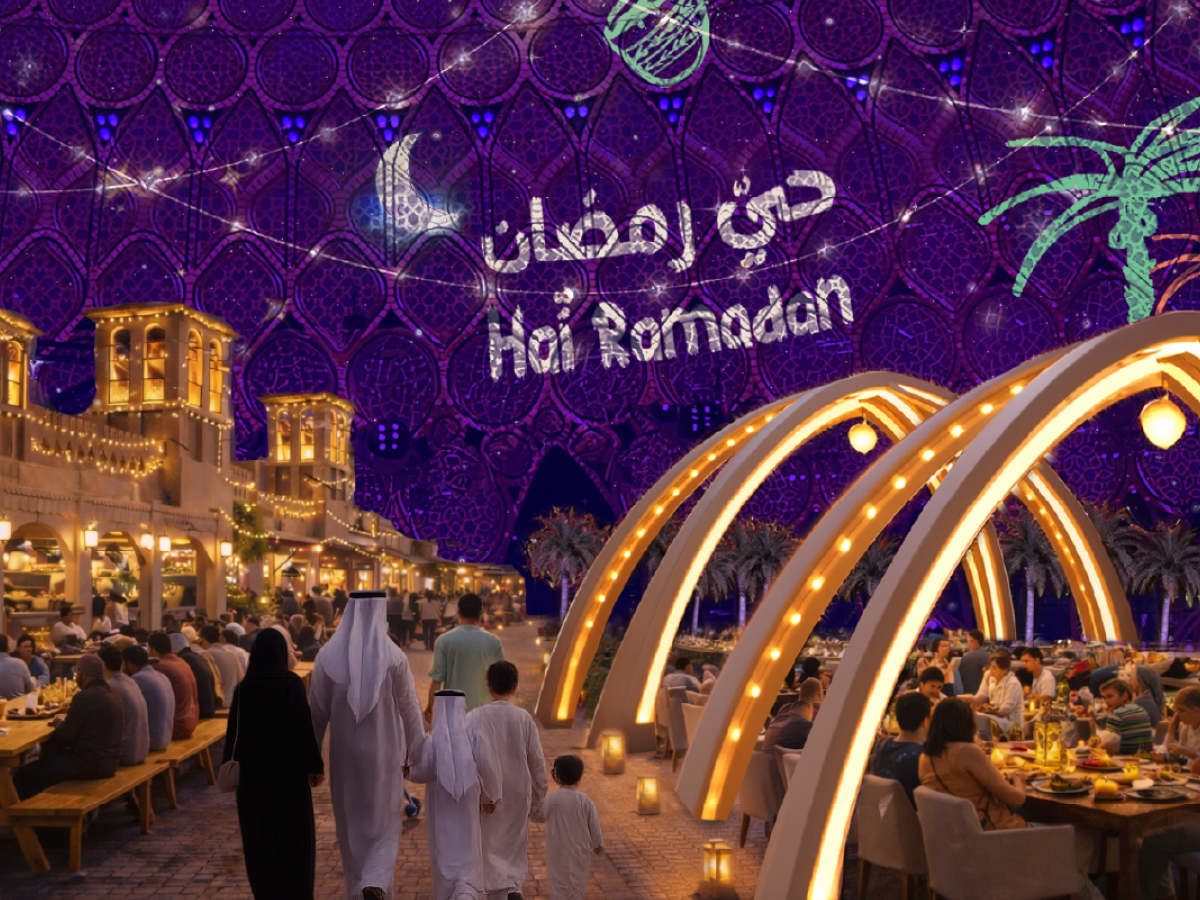
The excitement leading up to Eid can be felt everywhere. Streets may be decorated with lights, shops offer festive sales, and communities prepare for gatherings and celebrations.
The Morning of Eid
Eid begins with a special congregational prayer performed shortly after sunrise. Muslims gather at mosques or open prayer grounds to offer the Eid prayer together. This moment symbolizes unity, gratitude, and spiritual renewal.
Before heading to the prayer, people traditionally dress in their finest clothes and enjoy a small meal, marking the end of the month-long fast. Greeting one another with phrases that convey peace and blessings, families and friends share warm embraces and heartfelt wishes for happiness and prosperity.
The Eid prayer is followed by sermons that remind believers of the values of faith, generosity, and community. These messages encourage individuals to carry the lessons of Ramadan into the rest of the year.
Traditions and Festive Meals
Food plays an important role in Eid celebrations. After a month of fasting during daylight hours, the festival brings the joy of sharing abundant meals with loved ones.
Traditional dishes vary by culture and region, reflecting the diversity of Muslim communities around the world. Sweet treats are particularly popular, symbolizing the sweetness of celebration after a period of discipline. Desserts, pastries, and festive dishes are prepared and shared among family members and guests.
Families often host large gatherings where relatives, neighbors, and friends come together. These meals strengthen social bonds and create moments of laughter, storytelling, and connection.
Celebrating with Family and Community
One of the most meaningful aspects of Eid al-Fitr is the emphasis on togetherness. The festival encourages people to visit relatives, reconnect with friends, and spend quality time with loved ones.
Children often receive gifts, money, or treats during the celebration, making the day especially joyful for younger members of the family. Communities may organize cultural events, fairs, and entertainment to mark the occasion.
Cities and neighborhoods may also come alive with decorations, lights, and festive markets. Public celebrations, community meals, and charitable activities help bring people together regardless of background.
The Spirit of Generosity and Gratitude
At its core, Eid al-Fitr represents gratitude for the blessings of life and the strength gained through the spiritual discipline of Ramadan. The festival reminds people to appreciate their families, their health, and the opportunity to grow spiritually.
Acts of charity remain central to the celebration. Many individuals donate to humanitarian causes, distribute food, or volunteer in their communities. These acts reinforce the idea that true celebration comes from sharing joy with others.
Eid also encourages forgiveness and reconciliation. It is a time when people set aside differences, mend relationships, and start anew with kindness and goodwill.
A Global Celebration
Although cultural traditions may vary, the message of Eid al-Fitr remains universal. From bustling cities to quiet villages, Muslims around the world celebrate with prayer, gratitude, and joyful gatherings.
The festival serves as a reminder of faith, patience, and unity. It marks not just the end of Ramadan but also the beginning of renewed hope and spiritual commitment.
For millions of people, Eid al-Fitr is more than a holiday. It is a powerful celebration of faith, generosity, and the bonds that connect families and communities across the world.
Do follow UAE Stories on Instagram
Read Next – Holi Hai Color Mela: Vibrant Festival at Zabeel Park