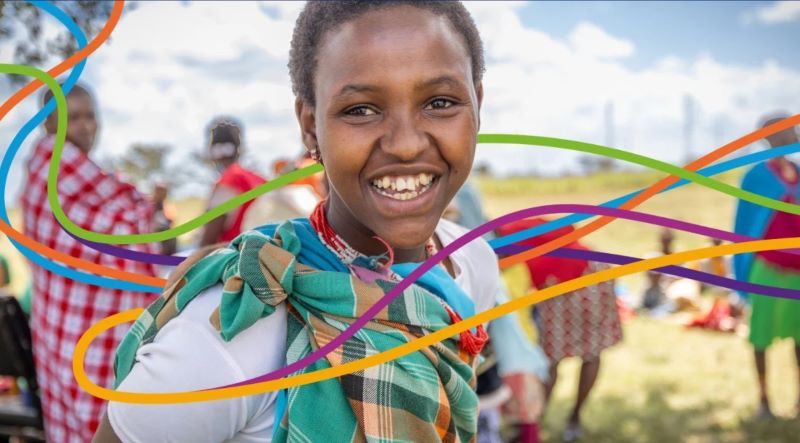
Image Source: World Health Organization
Imagine waking up in the morning and not being able to do anything; your physical, mental, and social well-being are out of sync, and everything seems to be in a state of chaos. In a world that constantly demands our attention, carving out time for health and wellness can feel like a luxury. But it is a necessity. Every aspect of life is impacted by health, from longevity to happiness, so we need to take care of our bodies as it’s the only place we have to live.
All over the world, health has become a major priority as a result of growing awareness of various diseases, mental health issues, and the need for preventive care.
Since its inception in 1950, World Health Day, celebrated annually on April 7, has brought to light important health issues such as mental health, maternal and child care, and climate change.
The theme for World Health Day 2026 is “Together for health. Stand with science”. It is a year-long campaign celebrating the power of scientific collaboration to protect the health of people, animals, plants, and the planet. It highlights how science has improved health outcomes worldwide, and calls for rebuilding public trust and securing a healthier future for everyone.
For Africans and Black people all over the world, this carries weight. It asks us to trust the very institutions that have historically failed us. The question isn’t just whether science exists or works, but who can access and benefit from it. It may appear that Black communities often come last when it comes to things like this.
We know the statistics too well. Black people face higher rates of hypertension, diabetes, stroke, cardiovascular and kidney diseases, and maternal mortality compared to other groups. So when global campaigns say “stand with science,” some may wonder: “Will science stand with us, too?”
In her book, Legacy: A Black Physician Reckons With Racism In Medicine, Dr. Uché Blackstock, the founder and CEO of Advancing Health Equity, addresses the systemic inequity in health care, tracing its origins back to the beginnings of Western medicine. Sharing insights from the book, she notes: “We have seen these stories play out even in the mainstream media with famous or well-known Black people, like Serena Williams and Beyoncé Knowles. Often, because of these unpleasant and disrespectful experiences with health professionals, Black patients become distrustful of healthcare institutions and decide not to seek care when they need it, risking their health and well-being.”
Source:Instagram / ucheblackstockmd
The health challenges facing Africans and Black Americans
There’s a long list of challenges that impact the health of Africans and Black Americans, even with improved access to medical care.
One is chronic diseases, which continue to disproportionately affect Black people. Heart disease, hypertension, diabetes, and stroke remain leading killers in Black communities, driven by decades of systemic neglect, environmental injustice, and inadequate preventive care. In Africa, the rise of urbanization and the consumption of ultra-processed foods with minimal nutritional value has triggered a surge in the same lifestyle diseases once considered a Western problem.
Maternal health is still a crisis. Black mothers are far more likely to die from childbirth complications than women of other races. They face the highest maternal mortality rates. The United States has the highest maternal death rate among developed nations, studies say. In Africa, the rates are similar. Even with more awareness, Africa still has the highest maternal mortality rate in the world.
Source:Instagram / dr.midwife_nelli
The recent death of Janell Green Smith, a South Carolina midwife who dedicated her life to advocating for maternal health care and preventing deaths from childbirth complications, especially in Black women, renewed attention to the issues that continue to kill Black mothers.
“Her death lays bare a truth the data have long confirmed: Black women – regardless of education, professional expertise, or proximity to healthcare – remain at disproportionate risk during pregnancy and childbirth due to systemic failures in care.
“Dr. Green Smith’s knowledge did not shield her. Her credentials did not protect her. That reality demands more than reflection; it demands accountability,” the National Black Nurses Association stated.
Another challenge we do not talk about enough is mental health. People of all ethnicities and cultures experience mental health conditions, but in the Black community, the topic is often seen as taboo. It carries a stigma that keeps too many of us suffering in silence. Many Africans and Black Americans have been reported to experience mental health challenges, but are less likely to seek professional help compared to white people due to the stigma, financial barriers, and a justifiable wariness of systems that have not always been fair.
Read more about Black Maternal Health: Centering Black Mamas and Babies In Maternal Health Matters
What together for health looks like in Black communities
The 2026 campaign calls on everyone to stand up and speak for science. From the government to the community, we all have a role to play in improving the health outcomes for everyone, especially Black people who have experienced historical inequities in healthcare. On World Health Day 2025, here are actionable steps to improve health outcomes for Africans and Black people worldwide.
Everyone, regardless of background or race, should have access to quality healthcare. How can we achieve this?
- Advocating for policies that ensure access to affordable, high-quality healthcare for all.
- Community leaders should prioritize health initiatives.
- Deploying community health workers to provide essential health services in underserved areas.
- Utilizing telemedicine to reach remote areas and improve access to healthcare services.
Promote preventive care: While policy reforms and other government interventions are important, preventive measures are equally crucial for improving health outcomes and overall quality of life. Educating communities about the importance of preventive care is crucial. Examples of preventive care include:
- Regular check-ups and screenings can help detect and manage health issues early.
- Vaccines are another form of preventive health that can benefit everyone.
- Counseling on lifestyle adjustments to address risk factors.
Encourage healthy lifestyles: Regular physical activity, a balanced diet, and stress management can significantly improve health outcomes for both Africans and Black Americans and prevent chronic diseases. The government and communities play an important role in addressing lifestyle behaviors. Areas for their involvement include:
- Ensuring safe and accessible walking and cycling routes, parks, and recreational facilities.
- Ensure that gyms, swimming pools, and other recreational facilities are accessible to all.
- Integrating health education and physical activity into school curricula.
- Organizing workshops, seminars, and public health campaigns that educate adults about healthy lifestyles.
- Work with the food industry to reduce the use of unhealthy ingredients in processed foods.
Address mental health: It is high time we started treating mental health struggles with the same compassion, resources, and activism afforded to other health issues. How do we take action?
- Breaking the stigma surrounding mental health by fostering open conversations and providing culturally competent counseling services.
- Providing access to mental health resources and services.
- Supporting policies and laws promoting mental health.
Support maternal and newborn health: Despite progress in providing essential care, the alarmingly high rates at which women, girls, and babies continue to die during pregnancy, childbirth, and the first month after birth demonstrate the urgent need for greater action. We can prevent these deaths by:
- Focusing on improving care for mothers and babies, as highlighted by this year’s World Health Day theme, “Healthy Beginnings, Hopeful Futures”.
- Supporting organizations addressing maternal health disparities, such as doulas and midwives in Black communities.
- Create environments that support women’s health and are tailored to local needs and challenges.
- Providing the infrastructure needed to engage in healthier lifestyles and ensuring access to high-quality medical care for pregnant women and their babies.
Leverage technology and raise awareness: Health awareness campaigns play a critical role in educating communities, improving public health, preventing diseases, and promoting wellness. We can use social media platforms, community events, and educational campaigns to raise awareness of health disparities and solutions. We can also utilize telehealth services to expand access to care.
So, what does “together for health” really mean? For Black communities, this requires awareness and action in the following ways:
- Black populations must be included in clinical trials, datasets, and medical studies. If Black communities are missing from the data, they risk being misdiagnosed or overlooked in the future of healthcare.
- Bias, neglect, and disparities must be actively addressed, not just acknowledged.
- Health education must meet people where they are, from churches to barbershops, and online spaces.
- Healthcare must reflect the realities, histories, and experiences of Black patients.
Ways to improve health and overall wellness among Black people
Beyond the efforts of governments, organizations, and communities to address health challenges faced by Africans and Black Americans, individuals can also take personal steps toward better overall wellness. Here are some practical steps that individuals, families, and communities can adopt.
Let us go back to our roots: We can all draw inspiration from our ancestors, who thrived on nutrient-rich diets of whole grains, lean proteins, and fresh fruits and vegetables. It is time to return to those roots by incorporating traditional African foods into our diets. It is time to say goodbye to fast food, processed foods, and sugary drinks, and to adopt nutrient-rich diets that prioritize health.
Movement is medicine: Did you know that regular movement enhances cardiovascular health, strengthens muscles, and boosts mental well-being? Whether it is African dance, walking, yoga, or hitting the gym, engage in regular exercise, as it not only strengthens our bodies but also uplifts our spirits.
Wellness through traditional healing practices: You can use natural approaches to wellness. Healing traditions such as herbal medicine, massage therapy, drumming, and spiritual cleansing can promote physical relaxation and healing. These practices can complement modern healthcare in meaningful ways.
World Health Day is a call to action, and every action counts. As Africans and Black Americans, we can build healthier futures for generations to come by making informed choices, advocating for our well-being, and supporting each other. Your health is your wealth.