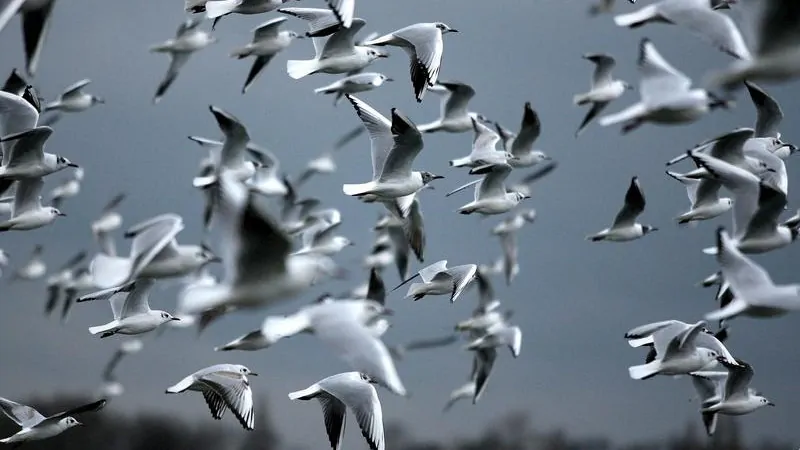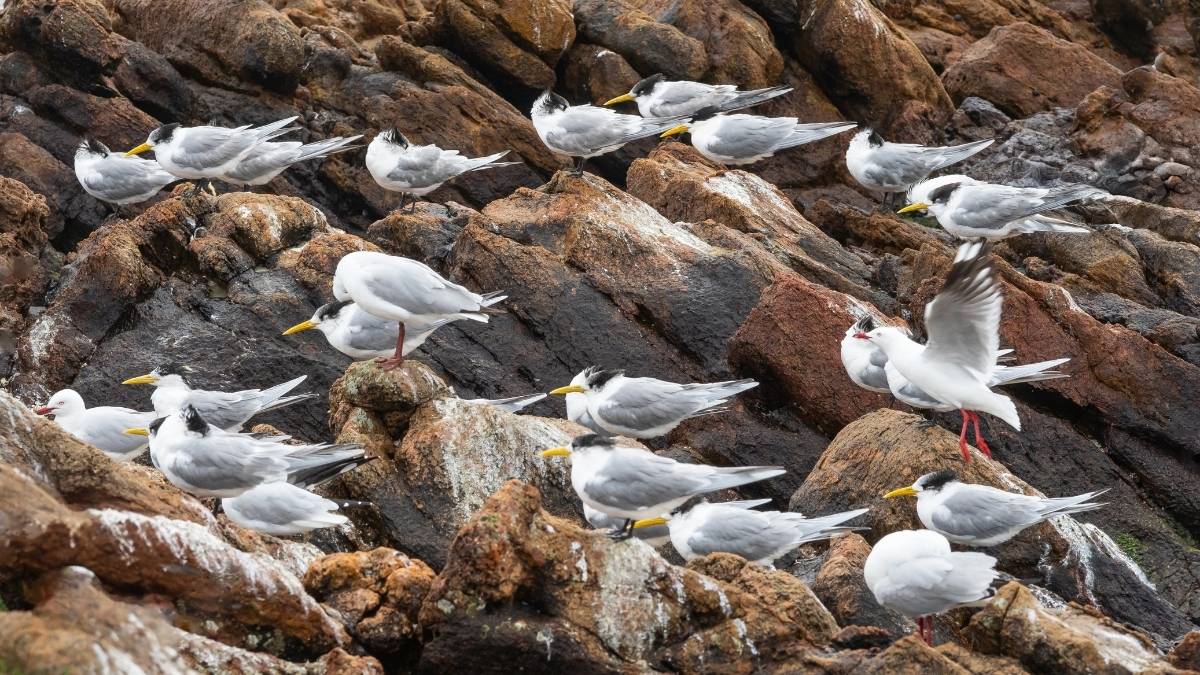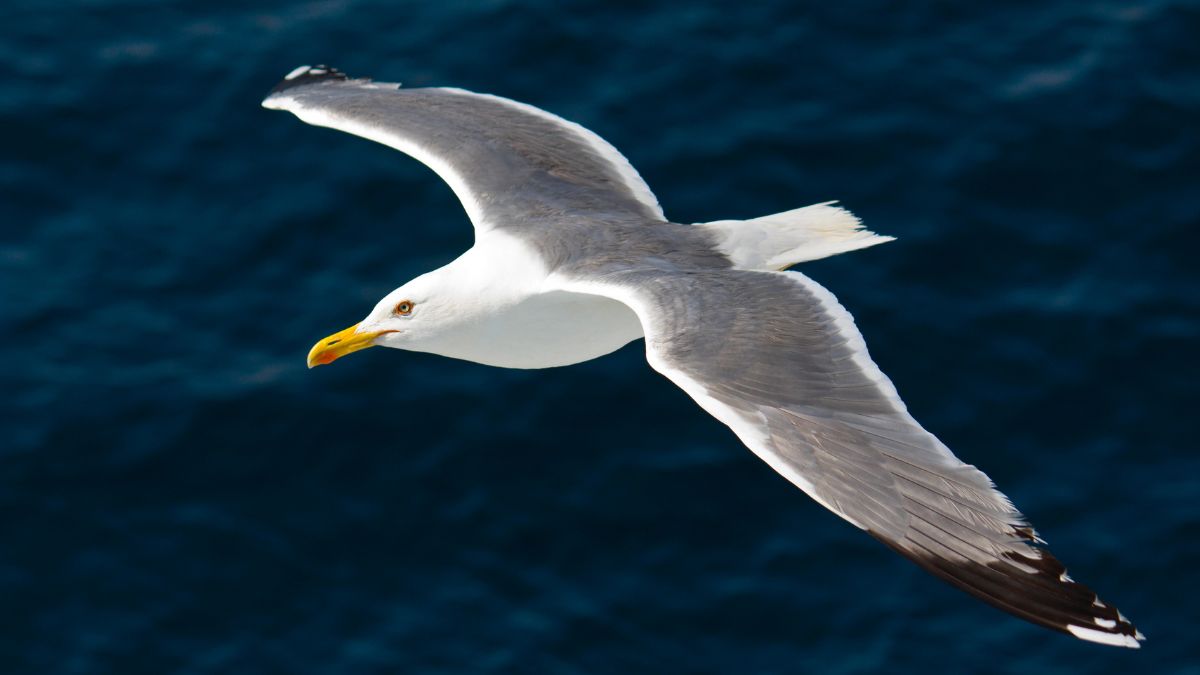
A silver gull found at Robe has returned a suspected H5 bird flu result, as authorities continue monitoring the virus among South Australia’s wild bird populations.
The bird, commonly referred to as a seagull, was tested at Primary Industries and Regions SA’s Glenside facility.
Samples have now been sent to the CSIRO’s Australian Centre for Disease Preparedness in Geelong for confirmatory testing, with a final result expected in the coming days.
The suspected detection follows confirmation that four greater crested terns previously reported as suspected cases were carrying H5 bird flu.
Three of the confirmed birds were found at D’Estrees Bay on Kangaroo Island, while the fourth was located at Seal Bay.
There have now been 19 confirmed H5 bird flu cases in South Australia and 21 suspected cases awaiting or undergoing further testing.
Despite the detections among wild birds, authorities said there had been no cases identified in poultry or other livestock and no evidence of mass animal deaths anywhere in Australia.
The risk to human health remains low.
The South Australian Government is continuing surveillance and reporting work with primary industries, wildlife organisations and communities across the state.
More than 1,200 tests have been conducted since January 1, while the Emergency Animal Disease Hotline has received more than 3,000 reports since June 20.
South Australians are being encouraged to remain vigilant and report sick or dead birds and other wildlife.
People should not touch or attempt to move an unwell or dead animal. Instead, they should record its location and appearance before reporting it to the Emergency Animal Disease Hotline on 1800 675 888.
Community forums are also being held to provide information about H5 bird flu, surveillance efforts and the precautions people can take.
Further information and details about upcoming community information forums are available through the South Australian Government’s bird flu website.