In this article
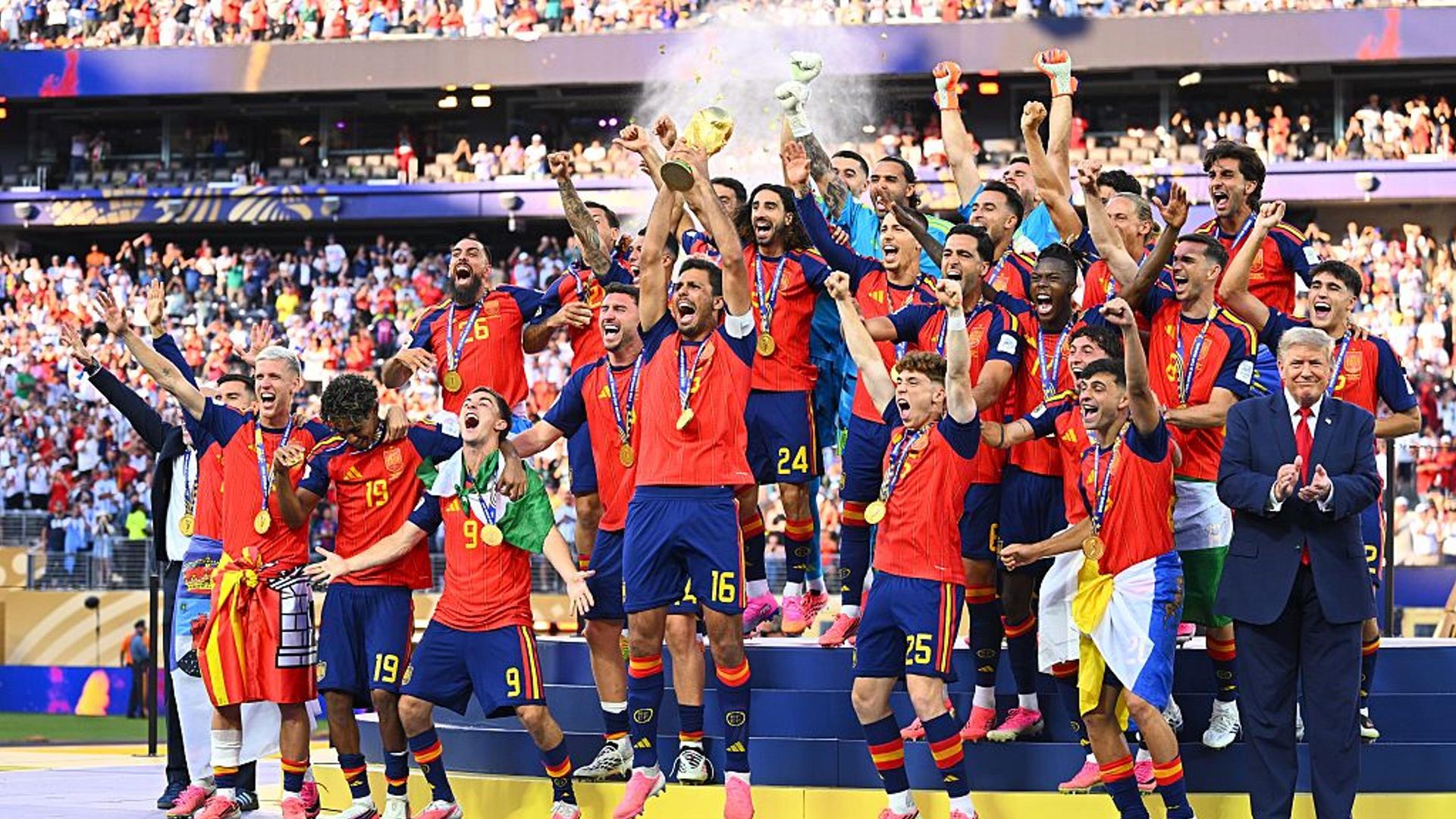
Spain’s 2026 World Cup final victory over Argentina wasn’t decided by a moment of brilliance. It was constructed across 120 minutes of suffocating tactical discipline that turned reigning world champions into frustrated bystanders. The 1-0 result in extra time merely confirmed what the statistics screamed: this was domination disguised as a tight final.
The Numbers That Tell the Real Story
Argentina became the first team in FIFA World Cup final history to go 90 minutes without registering a single shot. Not one attempt at goal across regulation time. That doesn’t happen by accident, and it certainly doesn’t happen against a team featuring world-class attackers.
The defensive structure Spain deployed wasn’t reactive. It was proactive suffocation. The final statistics told a clear story: Spain recorded 20 shots to Argentina’s 3 across the match, with 11 shots on target to Argentina’s zero. Possession stood at 68 per cent to 32 per cent. Spain completed 803 passes with 90 per cent accuracy, whilst Argentina managed 445 passes at 78 per cent accuracy.
Argentina ended regulation time with no shots and only 34 per cent possession. The numbers reflected complete territorial control.
How Spain Achieved Total Control
Spain’s approach combined relentless high pressing with immediate counter-pressing. Whenever Argentina won possession, Spanish players swarmed to recover the ball before any attacking rhythm could develop. This wasn’t defensive fortune. This was a system working exactly as designed.
Source: Vanguard News
The midfield positioning consistently cut off Argentina’s preferred central channels, forcing them wide where Spain’s defensive structure was waiting. Argentina operated a 4-4-1 formation in the first half of extra time and somehow withstood sustained Spanish pressure in that opening period, but the tactical battle had already been won.
Argentina’s Frustration
Argentina tried to slow Spain’s attack throughout the match, being whistled for 25 fouls as they struggled to contain the European champions’ movement and possession. The reigning world champions were reduced to disruption rather than creation.
Spain’s approach wasn’t man-marking. It was space denial. Whenever Argentine attackers dropped deep to collect possession, Spanish midfielders shifted to close passing lanes. When they drifted wide, the defensive line compressed centrally. The result was systematic isolation of Argentina’s most dangerous players.
Extra Time and the Winning Goal
By extra time, Argentina had been chasing shadows for two hours. The space that had been closed all match finally opened through exhaustion. Spain’s winner came from a substitute, continuing a pattern from recent World Cup history where impact players have decided finals.
The goal wasn’t individual brilliance. It was the product of Argentina’s fatigue against Spain’s system. After 106 minutes of relentless pressing and possession control, the breakthrough arrived.
A Complete Performance
Spain’s victory completed a remarkable tournament run built on defensive solidity and tactical consistency. The approach demonstrated absolute trust in a philosophy that prioritised control over risk.
The consistency wasn’t luck. It was a team that knew exactly what it was, and never wavered when pressure arrived. From the opening match through to the final, Spain’s tactical discipline remained unwavering.
What This Means for Elite Performance
Spain’s World Cup final victory offers a blueprint that extends beyond football. In any high-pressure environment, whether corporate hospitality at the Abu Dhabi Grand Prix or championship-deciding matches, systems beat improvisation. Preparation trumps reaction.
For organisations seeking to understand how elite performance translates across sports and business contexts, Spain’s approach demonstrates the value of tactical discipline football at the highest level. The principles of space control, role clarity and trust under pressure apply whether you’re managing a World Cup final or delivering premium sports experiences for GCC clients.
The Final Word
Spain didn’t win the 2026 World Cup final with flair. They won it with relentless, intelligent control that turned Argentina’s attacking threats into isolated frustrations. When the final whistle sounded after extra time, the 1-0 scoreline told only part of the story. The performance read like a tactical thesis.
Some philosophies prove their worth on the biggest stage. So do teams that trust them completely.