South Australians are being urged to stay alert and report sick or dead birds or wildlife, after H5 bird flu was confirmed in a migratory seabird in Western Australia, marking the first detection of the strain in Australia.
The virus was confirmed in a brown skua found in Cape Le Grand National Park on the southern coast of Western Australia. A second seabird, a giant petrel found nearby, has also returned a positive result through Western Australian testing and is undergoing confirmatory testing.
There are currently no confirmed detections of H5 bird flu in South Australia, and no detections in poultry in Australia, but authorities and conservation groups say the arrival of the virus is a serious warning for wildlife, agriculture and threatened species.
Premier Peter Malinauskas has called a special meeting of the state’s Emergency Management Cabinet Committee for Monday, June 22, for an update on South Australia’s cross-agency response.
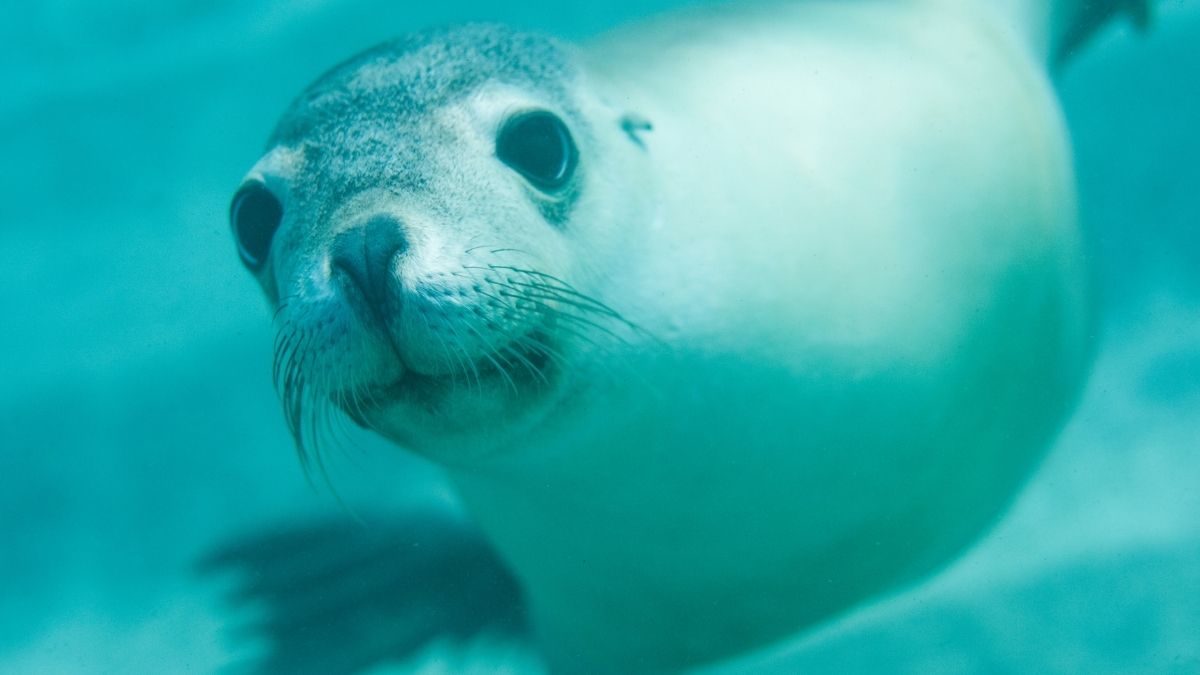
The Australian Marine Conservation Society says the virus poses a real risk to the endangered Australian sea lion, with only about 12,000 individuals remaining along the coasts of South and Western Australia.
The group is calling for at least $200 million in additional national wildlife resilience funding over the next two years to help minimise the impacts of the virus on Australian wildlife.
H5N1 bird flu has already caused major wildlife deaths overseas, including the loss of 30,000 sea lion pups in just six months in South America. It has also been linked to more than 13,000 southern elephant seal pup deaths on Heard Island in late 2025 and early 2026.
AMCS Campaigns Director Alexia Wellbelove said the confirmation was deeply concerning.
“This news is an alarming confirmation that Australia is not immune to the threats of bird flu, which has swept across continents and devastated wildlife populations worldwide. It is news we have been expecting but hoping not to receive.
“This virus has caused carnage to marine species worldwide. Marine mammal populations have been decimated by H5 bird flu, and with the virus now having arrived on Australia’s mainland, it is time to take greater action to protect our wildlife populations.
“Until now, mainland Australia and New Zealand were the only places on Earth free from the virus. With the virus now confirmed in southern Western Australia, it is a reminder that important populations such as Australian sea lions are now at real threat from this disease.
“The Australian sea lion is already endangered, with only 12,000 individuals remaining along the coasts of South and Western Australia. Bird flu poses a real risk to the future of the Australian sea lion, found nowhere else in the world, potentially pushing it to extinction. It is essential that preparedness plans are put into place urgently to protect this and other threatened marine species.”
The South Australian Government says it has been preparing for the potential arrival of H5 bird flu for several years, including through a $6.8 million State Government investment since 2022 to strengthen emergency animal disease preparedness.
That work has supported surveillance, diagnostics, workforce capability, training exercises, mobile diagnostic laboratories, decontamination units and equipment that can be rapidly deployed if needed.
Environmental and wildlife preparedness has also included work with the Commonwealth to strengthen the resilience of high-risk species and habitats, including Australian sea lions.
In January, Adelaide Zoo and Monarto Safari Park also received Federal Government funding to boost biosecurity measures, with $140,000 for Adelaide Zoo and $54,800 for Monarto Safari Park. The funding was aimed at supporting threatened native species in care, including the orange-bellied parrot, regent honeyeater, Mallee emu-wren, greater bilby, plains-wanderer and Tasmanian devil.
Minister for Primary Industries and Regional Development Clare Scriven said the detection was significant, but not unexpected.
“The detection of H5 bird flu in Australia is significant but not unexpected given the spread across the globe.
“We have been preparing for its arrival with extensive training to build workforce capability and significant investment in fit-for-purpose equipment such as our mobile biosecurity lab that can be quickly deployed to impacted properties.
“Strong biosecurity practices continue to be the best defence to protect South Australia’s $922 million poultry industry.”
Minister for Climate, Environment and Water Emily Bourke said the state was well prepared to respond.
“South Australia is well-prepared to respond to H5 bird flu.
“Along with our federal counterparts, we have been working to bolster the resilience of species most at risk of being impacted by reducing other threats through invasive species control, reducing weeds and revegetation works.
“These works have been crucial, because we know building ecological resilience gives threatened species the best chance of recovery when an outbreak occurs.
“We can all play a role in achieving the strongest response to H5 bird flu by being alert and reporting any birds or other wildlife displaying weakness, respiratory distress or abnormal behaviour to the Emergency Animal Disease Hotline.”
Authorities are urging people not to touch sick or dead birds or wildlife. Instead, avoid contact, record what you see, and report it to the Emergency Animal Disease Hotline on 1800 675 888.