Veteran soap opera actor Scott Bryce, known for his role as Craig Montgomery on As The World Turns, has died at the age of 68 after a battle with stage 3 esophageal and stomach cancer.
Bryce was diagnosed with cancer in 2025 and had previously shared that he was recovering after treatment.
“A wonderful actor, a beautiful man and a terrific husband and father, Scott Bryce, passed tonight. I am going to miss his eyes, his smile, his wit, his brain, his intelligence, his talent, his bravery, his laugh and his hugs,” Actress Lucie Arnaz, Bryce’s long-time friend and co-star, wrote, announcing his death in a now-deleted post.
Bryce previously credited early detection as a vital part of his journey. After going through treatment, the actor shared that he was “on the mend.“
The late actor’s cancer battle highlights the challenges surrounding two gastrointestinal cancers that can often be difficult to identify in their early stages.
What Are Esophageal and Stomach Cancers?
Esophageal cancer begins in the esophagus, the hollow muscular tube that carries food and liquids from the throat to the stomach. Stomach cancer, also known as gastric cancer, develops in the lining of the stomach, where tumors can grow and affect digestion.
Both cancers are part of a broader group of gastrointestinal cancers and may not cause obvious symptoms at first. Early warning signs can often resemble common digestive problems, such as acid reflux, indigestion, or occasional stomach discomfort, making them easier to overlook.
Symptoms may appear only after the cancer has grown or begun affecting nearby tissues. This is one reason many patients are diagnosed at later stages, when treatment can become more complex.
Why Are These Cancers Often Diagnosed Late?
Unlike some cancers that have established screening tests for average-risk individuals, esophageal and stomach cancers often do not have routine screening programs for the general population.
Doctors typically investigate symptoms through procedures such as an upper endoscopy, which allows physicians to examine the esophagus and stomach and take tissue samples for biopsy.
By the time symptoms become persistent or severe enough to prompt testing, the cancer may have already reached a more advanced stage.
Risk factors for esophageal cancer include long-term acid reflux, a condition called Barrett’s esophagus, smoking, heavy alcohol use, and obesity.
Meanwhile, stomach cancer risk factors include bacterial infection with Helicobacter pylori, smoking, family history, and certain inherited genetic conditions.
What Happens in Stage 3 Esophageal or Stomach Cancer?
Stage 3 disease generally means the cancer has grown deeper into surrounding tissues or spread to nearby lymph nodes, but has not necessarily reached distant organs.
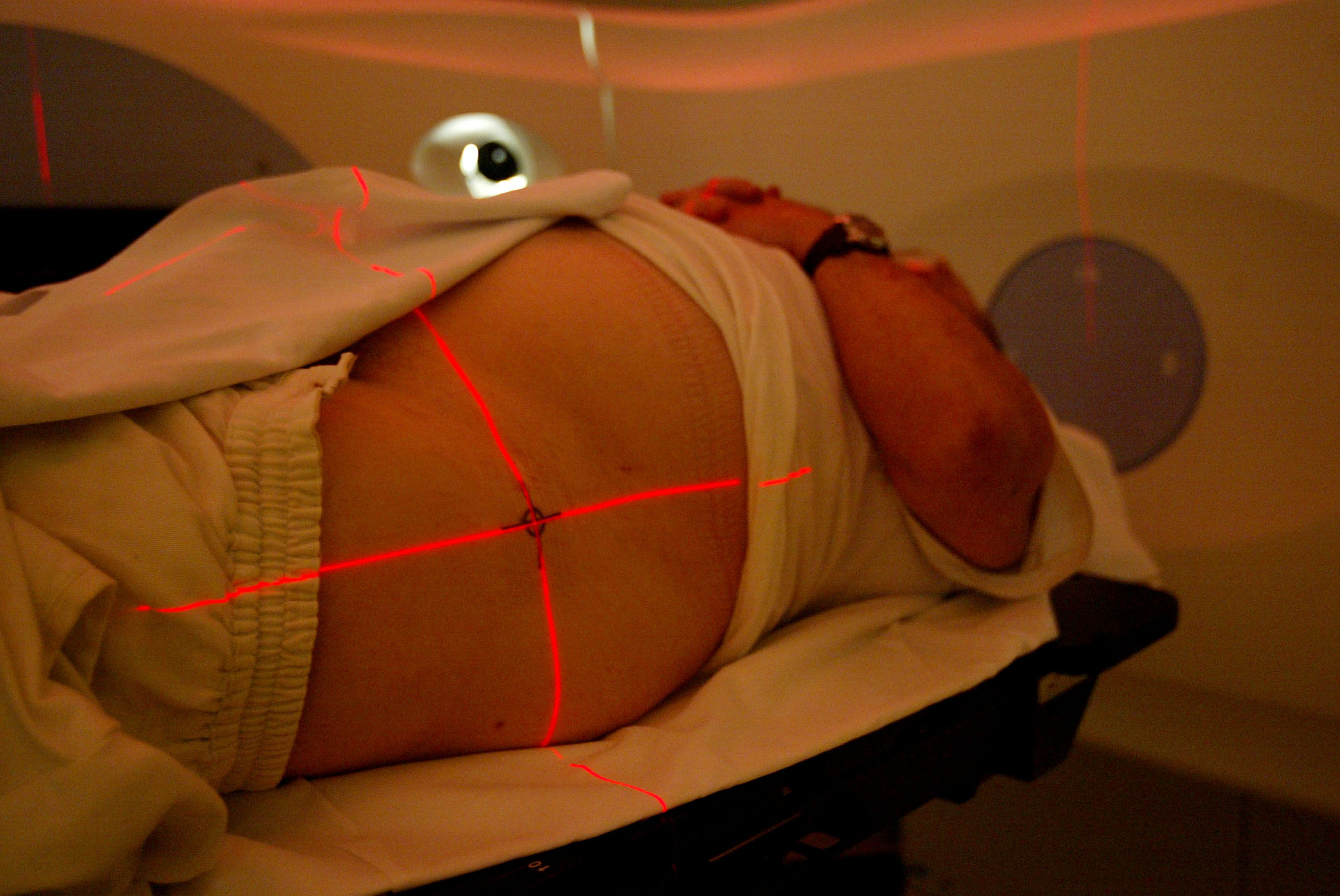
Treatment depends on the cancer’s location, overall health, and other medical factors. Options may include surgery, chemotherapy, radiation therapy, targeted therapies, or immunotherapy.
For some patients, doctors use a multimodal approach, in which treatments are given before or after surgery to improve outcomes.
The American Cancer Society notes that treatment plans for advanced gastrointestinal cancers are highly individualized and may change depending on how the cancer responds.
Why Can Cancer Return After Treatment?
Even after successful treatment, some cancers can recur because microscopic cancer cells may remain undetected in the body.
Recurrence can happen locally near the original tumor site, in nearby lymph nodes or in distant organs. Doctors often recommend regular follow-up visits, imaging tests and monitoring for new symptoms after treatment to detect possible recurrence as early as possible.
Experts say patients who experience persistent symptoms after treatment, including trouble swallowing, unexplained weight loss, ongoing pain or changes in digestion, should notify their healthcare providers.
While occasional heartburn or stomach discomfort is common, symptoms that persist, worsen, or occur alongside weight loss, bleeding, difficulty swallowing, or appetite changes warrant medical evaluation.
Early diagnosis can expand treatment options and improve the chances of successful outcomes.
Bryce’s decades-long acting career, which included Emmy-nominated performances on “As the World Turns” and appearances in shows such as “Blue Bloods,” “Homeland,” and “The Blacklist,” left a lasting mark on television.