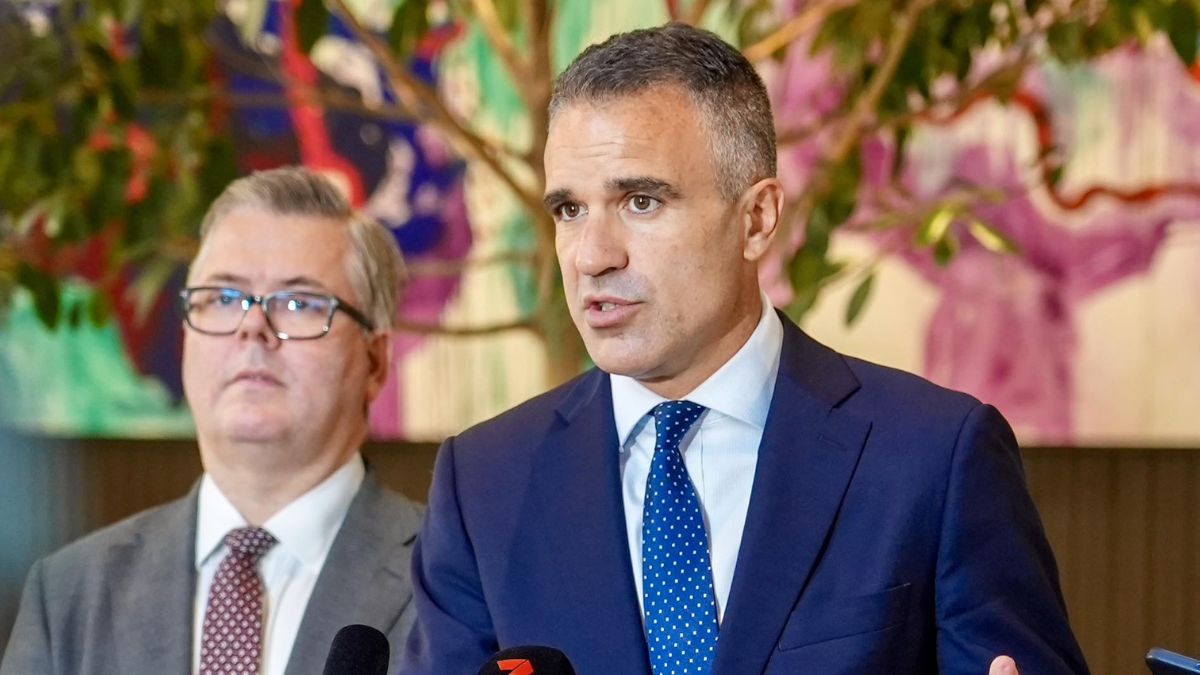
Image via Peter Malinauskas/Facebook
The South Australian Government is moving to lift the current moratorium on hydraulic fracture stimulation in the South East, opening the door for potential future gas resources to be explored under the state’s regulatory framework.
The Government will introduce the Energy Resources (Regulated Activities) Amendment Bill into State Parliament next week, with the aim of removing the legislated moratorium that currently applies to the region.
Hydraulic fracture stimulation, commonly known as fracking, is already permitted elsewhere in South Australia, but the South East has been subject to a specific moratorium introduced under the former Marshall Liberal Government.
The State Government says the move is being made amid growing pressure on domestic gas supply, with the Australian Energy Market Operator forecasting increasing risks to gas supply in southern Australia from 2029, and additional supply required in many scenarios from 2030.
While the decision would remove the moratorium, the Government has stressed that it does not approve any hydraulic fracture stimulation activity. Any future proposal would still need to go through environmental assessment, mandatory public consultation and formal regulatory approval.
Premier Peter Malinauskas said the decision was about allowing future gas opportunities to be assessed, rather than automatically giving any project the green light.
“It is my firm view that science and economics should dictate energy policy, not politics,” Premier Malinauskas said.
“For this reason, we take seriously multiple examinations, including from the CSIRO that the most appropriate form of energy in this country is renewable energy backed up by gas.
“Gas also has an incredibly important role in the decarbonisation of industry, hence my government’s investment in a Strategic Gas Reserve.”
The Government says South Australia has had more than 1,300 wells fracture stimulated since 1969 in the Cooper Basin without impact on aquifers. It has also pointed to research undertaken through the South Australian Government’s partnership with CSIRO’s Gas Industry Social and Environmental Research Alliance, which has examined groundwater systems, environmental impacts and social and economic considerations in the Limestone Coast region.
The issue is expected to draw strong interest across the South East, where concerns around groundwater, agriculture and viticulture have long been part of the broader debate. The Government says it will undertake a community engagement program across the region to support informed discussion.
Premier Malinauskas said the change would allow potential projects to be examined under strict safeguards.
“This decision does not approve fracking. It removes a blanket ban and ensures that any future proposal must meet rigorous scientific, environmental and community scrutiny,” he said.
“Groundwater protection is non-negotiable. If those standards cannot be met, the project will not proceed.”
Treasurer and Minister for Energy and Mining Tom Koutsantonis said the Government was considering multiple measures to shore up gas supply, including the South Australian Strategic Gas Reserve, the Firm Energy Reliability Mechanism and the South Australian Gas Initiative.
“We have committed to consider all options to ensure South Australia retains ready access to gas supplies,” Minister Koutsantonis said.
The South Australian Strategic Gas Reserve will see Santos supply 20 petajoules of gas each year for 10 years from 2030, which the Government says is equivalent to a third of the state’s annual gas usage across the residential, commercial and industrial sectors.