The State Government has accepted all 18 recommendations handed down by the Deputy State Coroner following an investigation into the deaths of Anna Vincenza Panella, Bernard Anthony Skeffington and Graham Henry Jessett between April 2019 and March 2022.
The recommendations are aimed at improving patient safety and system flow across South Australia’s health system, with a focus on ambulance ramping, triage procedures and hospital capacity.
SA Health says work is already progressing on all recommendations, with immediate priorities including improved patient monitoring, stronger oversight of demand across the system, clearer accountability and reporting frameworks, reviews of clinical protocols and escalation pathways, and further assessment of ambulance offload models at metropolitan hospitals.
The government will also explore ways to increase weekend and overnight discharges across metropolitan hospitals, in a bid to improve patient flow and reduce pressure on emergency departments.
The Coroner described SA Health’s strategies to respond to ramping as “extremely comprehensive and well thought through” and said they represented “an excellent use of public funds”.
The Coroner also acknowledged improvements in ambulance response times, noting that wait times for an ambulance had been “drastically reduced” and that “people in the community who need the care of paramedics receive it quickly”.
SA Health has established an oversight committee, which will meet monthly to oversee the implementation of each recommendation. Two key recommendations relating to clinical incident management and hospital duty of care have already been endorsed as complete.
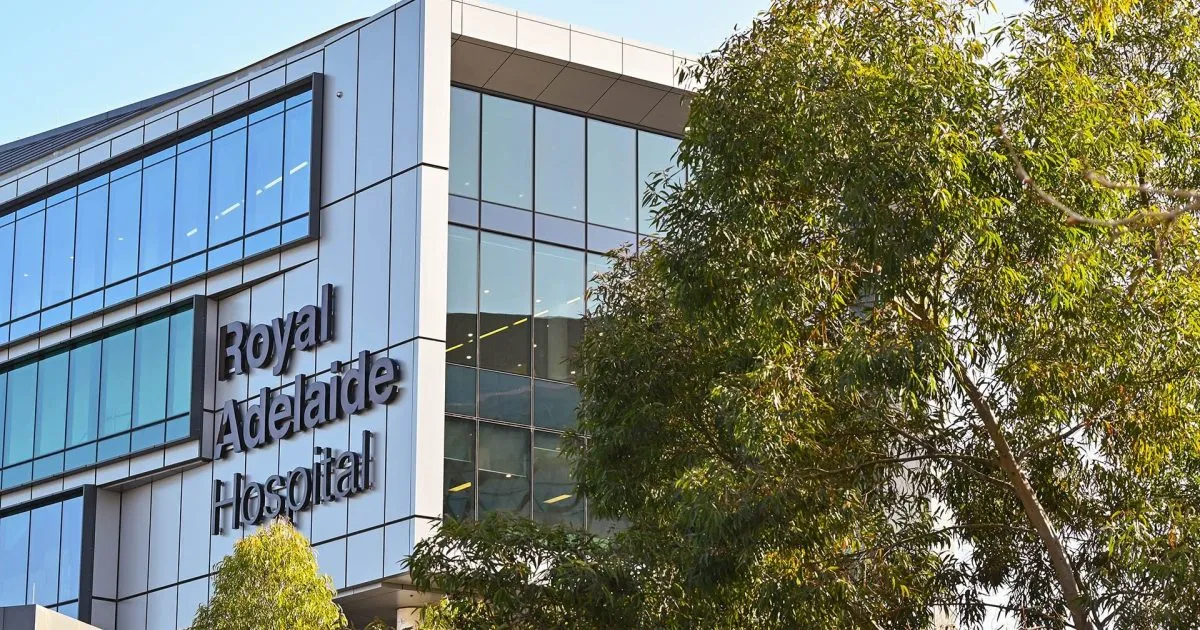
A six-month pilot of pre-hospital blood collection began last month at the Royal Adelaide Hospital and the Queen Elizabeth Hospital, allowing SA Ambulance officers to collect blood either at the scene or when transfer of care is delayed at hospital.
The measure is designed to help detect clinical risk earlier and support faster decision-making around a patient’s care.
The government says the work forms part of its broader investment in the health system, including more than $9 billion over the past four years to ease pressure on hospitals. This includes 700 extra beds across the system, with a commitment for 300 more, as well as more than 4,000 additional health workers.
Latest ambulance ramping data shows 3,958 hours were recorded in May 2026, down 831 hours, or 17 per cent, on May last year. The largest improvement was recorded in the Central Adelaide Local Health Network, where ramping reduced by 47 per cent year on year.
Health and Wellbeing Minister Blair Boyer said, “First and foremost, my thoughts are with the families who have lost loved ones at the centre of this inquest.
“The Coroner’s findings are a sobering reminder of the pressure facing the health system and the importance of ensuring patients receive timely and appropriate care at every stage of their treatment.
“The Government accepts the Coroner’s recommendations and is committed to implementing changes to improve patient safety.
“We are committed to continuing to invest in reforms that improve safety, capacity and care for South Australians.
“In April, we launched our Winter Plan to help prepare for and manage increased demand during this period. This includes opening more bed capacity, improving patient flow and making sure people can get the care they need, when they need it.”
SA Health Chief Executive Dr Robyn Lawrence said, “I acknowledge the grief and distress experienced by the families involved and extend my sincere condolences for their loss.
“We accept the Coroner’s recommendations and are committed to implementing the changes necessary to improve patient outcomes, and reduce the risk of similar incidents occurring in the future.”