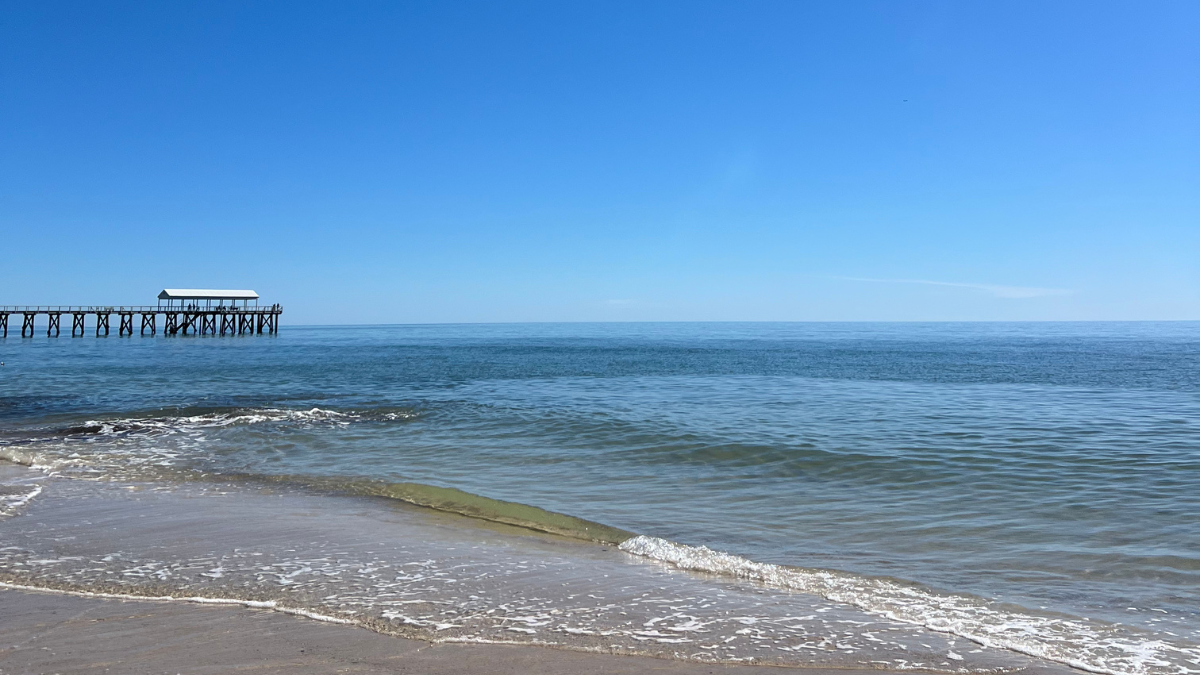
There’s some good news for beachgoers, fishers, and coastal communities, with South Australia’s algal bloom finally showing significant signs of easing.
After months of extensive monitoring, the vast majority of the state’s coastline is now recording zero or low levels of Karenia algae, prompting the State Government to begin winding back some of its summer response measures.
Testing across more than 110 onshore sites has revealed consistently encouraging results, with all but one location recording low or undetectable levels during the latest round of monitoring. The only elevated reading was recorded at Bickers Island on the southeast of the Eyre Peninsula.
From Adelaide’s metropolitan beaches to Kangaroo Island, Yorke Peninsula, the Fleurieu, Coorong, South East and Eyre Peninsula, conditions have continued to improve steadily since February.
“It is pleasing that the vast majority of South Australia’s coastline has recorded zero or low levels of Karenia for the past three months, and it is appropriate we make these changes,” shared Premier Peter Malinauskas. “However, the possibility of future blooms cannot be discounted and we must remain vigilant.
“South Australians are enjoying our amazing beaches and coastal communities right across the state, but that does not take away from the algal bloom’s significant impact on our marine environment. That’s why we have invested more than $160 million in science, research and monitoring and supporting our coastal communities and businesses to recover from this unprecedented event.”
From May 1st, daily State Government beach inspections and clean-up operations will officially come to an end, with local councils resuming normal beach management duties. It’s a major milestone, especially considering clean-up crews were collecting more than 9,400 kilograms of dead marine life each week at the bloom’s peak in December. That figure has now fallen to less than 50 kilograms per week.
Water testing will also move to a monthly schedule in areas where the bloom is no longer active, while hotspots will continue to be monitored closely.
Beachgoers will still be able to check conditions before heading out, with live beach cameras remaining available through the Beachsafe app and website. The dedicated algal bloom website will also continue providing regular updates and water quality results.
For fishers, there are some important changes on the horizon too. Blue crab fishing restrictions in Gulf St Vincent are being completely lifted, following strong stock recovery. However, new temporary closures will apply to Southern Calamari across both gulfs, while recreational and charter fishing for Garfish will be paused in Gulf St Vincent.
A spawning closure for King George Whiting will also be introduced across both gulfs until July 31st.
Primary Industries Minister Clare Scriven shared, “We will continue to deliver on a range of important programs and make the investment that is needed to ensure our marine environment and fishing industries have the best chance of recovery from the impacts of the algal bloom.”
So while South Australians can once again enjoy cleaner beaches and calmer waters, the work to fully restore the marine environment is only just beginning. For now though, it’s a promising step in the right direction, and just in time for cooler coastal walks and autumn seaside adventures.