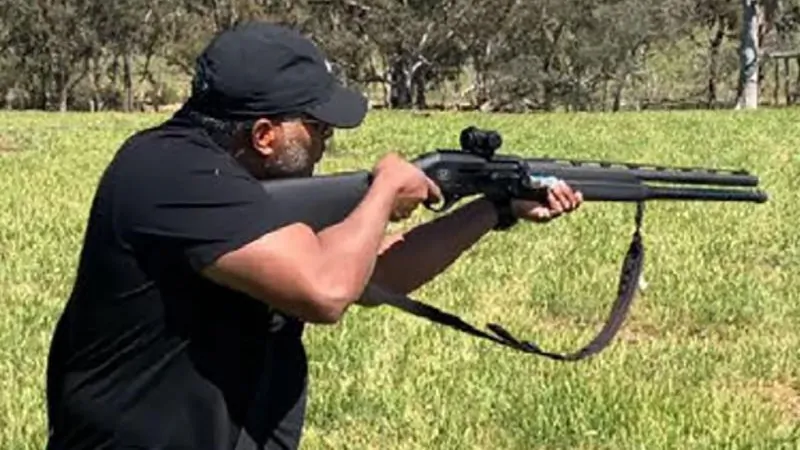
Australia’s spy chief has declassified evidence to allow a former agent with intelligence on the perpetrators of the Bondi massacre to give evidence at a probe into anti-Semitism.
The man – who goes by the name of Marcus – was formally hired by ASIO to work undercover in Sydney’s western suburbs and infiltrate possible Islamic State terrorism networks.
The former spook claimed in ABC reports in February he warned ASIO about the father-son duo, Sajid and Naveed Akram, six years before they opened fire on a Hannukah event and shot dead 15 people at Bondi Beach in December.
Sign up to The Nightly’s newsletters.
Get the first look at the digital newspaper, curated daily stories and breaking headlines delivered to your inbox.
By continuing you agree to our Terms and Privacy Policy.
Marcus has lived in hiding overseas since 2023 after ASIO withdrew its support for his permanent residence, hindering a bid by the Royal Commission into Anti-Semitism and Social Cohesion – called in the wake of the Bondi massacre – to hear his evidence.
His attempted return to Australia was disallowed when a visa application was rejected and pressure has been mounting on the Home Affairs Minister Tony Burke to allow him back into the country to give evidence.
ASIO director general Mike Burgess had given clearance to allow Marcus to give evidence at the royal commission, which could now be given remotely, Mr Burke said on Friday.
“He has advised and made clear to the royal commission that any evidence that would come from this particular individual is declassified, he’s happy for it to be given in a complete public forum,” he told reporters at Parliament House.
“It could be given over the phone, on (Microsoft) Teams. It could be given in … any way.”
Mr Burke didn’t clarify whether that meant Marcus would be granted a visa back into Australia.
However, he said he wasn’t aware if the change in circumstances had been made known to Marcus.
Previously, evidence from Marcus could only be provided in person or from an Australian embassy overseas because of the sensitive nature of information.
But Marcus cannot access an Australian embassy and has his own security concerns, his lawyers have said.
They argue the need for his engagement with the royal commission to be protected by Australian law, which doesn’t apply overseas.
In the visa rejection letter from the Department of Home Affairs, officials said they were “not satisfied the applicant has a genuine intention to stay temporarily in Australia”.
The government has been condemned from across the political spectrum for hindering his evidence in the royal commission since February.
Opposition home affairs spokesman Jonno Duniam said it was important the royal commission had access to all the information it needed.
“If the government are serious about ensuring the commission gets the right outcome and, in doing so, has access to all the information it needs, then it should explain why it won’t grant a visa, or indeed find ways to grant one,” he previously told the media.