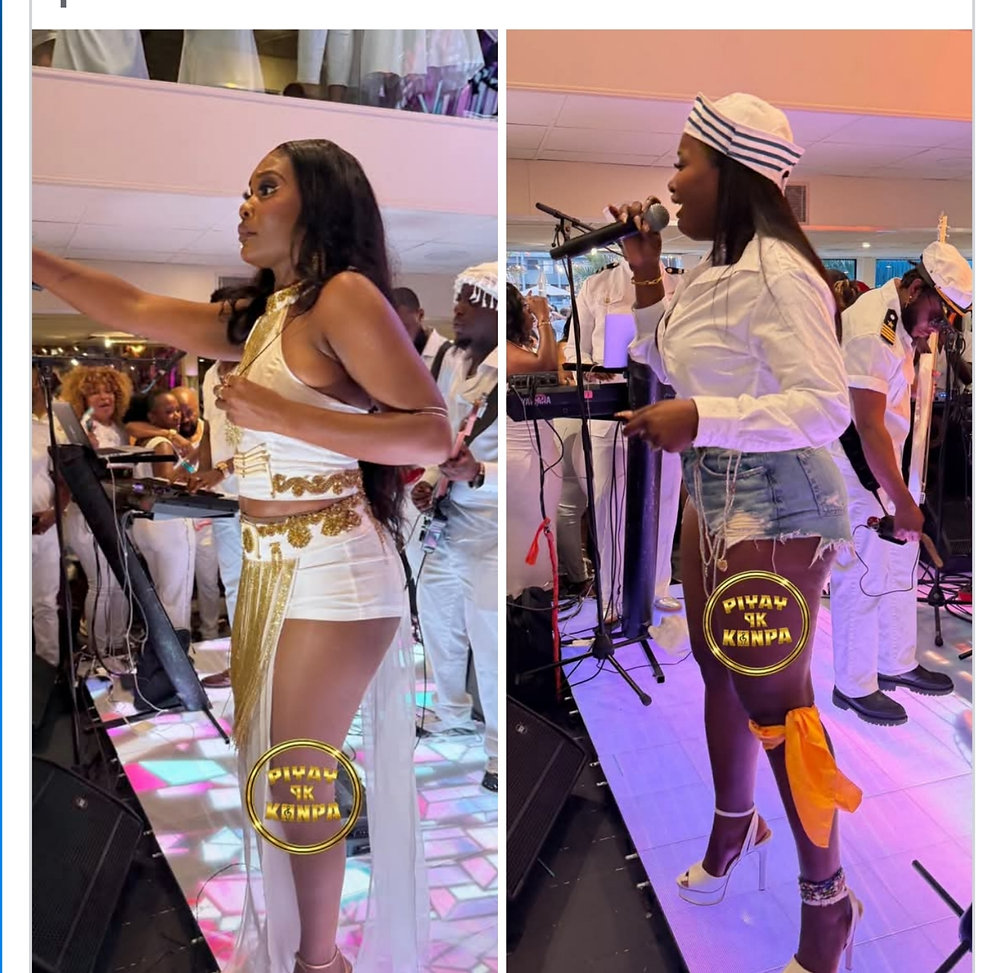
A short video clip can do real damage when unverified claims start moving faster than facts. That is the issue behind a clip in which Romeo Gatesa says Rutshelle pressured an event promoter for more money.
One of the promoters says that claim is false, full stop. He also says the other partner knows nothing about any such demand, which turns this into more than a private dispute. It becomes a warning about how quickly careless media talk can strain business ties and confuse the public.
That matters because live events run on trust, and trust breaks faster than it heals.
What the video clip claims, and why it is being called false
At the center of this dispute is a simple but serious allegation. A clip circulating online claims that Rutshelle pushed a promoter to pay more money for an event. According to one of the promoters involved, that story is not true.
The accusation about Rutshelle and the promoter
The claim itself is easy to repeat, which is part of the problem. It suggests there was pressure for more money tied to the event. Once that kind of statement lands online, people often treat it as settled truth before anyone checks where it came from.
But a public accusation is not the same as a verified fact. It is only the first step in a story, not the last. If nobody confirms the details, the claim stays a rumor, even if thousands of people hear it.
This quick breakdown shows why the difference matters:
A clip says Rutshelle pushed for more money
A promoter involved says the claim is false
The other partner says he knows nothing about it
No confirmed proof has been presented publicly
A viral clip can spread a claim fast, but speed does not turn rumor into fact.
The promoter’s side of the story
The promoter who spoke out did not leave much room for doubt about his position. He says he is one of the event promoters, and he calls the accusation a “total lie.” He also says the other promoter, his partner in the event, knows nothing about any such issue.
That detail matters. If a second promoter, especially one directly tied to the event, says he has no knowledge of the alleged pressure, the claim grows weaker. At minimum, it means the story needed more checking before anyone pushed it to an audience.
The promoter also points to a basic reporting failure. He says Romeo knows the other promoter personally and could have reached out to confirm the information
Why this kind of reporting can cause real harm
A rumor about money is never small in the entertainment business. Payment issues touch pride, contracts, scheduling, and future deals. When someone broadcasts an accusation without proof, the damage can spread in several directions at once.
How false claims can damage artist and promoter relationships
Promoters and artists work in a space where timing, trust, and clear communication matter every day. One bad story can poison that space. An artist may feel attacked. A promoter may feel misrepresented. Meanwhile, managers, booking teams, and fans start filling in gaps with guesswork.
That ripple effect is what the promoter is warning about. Even if a false claim gets corrected later, people often remember the accusation first and the correction second. In some cases, they never see the correction at all.
Future business can also suffer. A promoter may hesitate to work with media people who post rumors. An artist’s team may grow more guarded with event partners. That makes normal work harder, even when nobody did anything wrong in the first place.
Why accuracy should matter more than speed and clicks
Online media often rewards whoever posts first. The problem is that being first has little value if the information is wrong. A rushed clip might bring views for a day, but it can harm reputations for months.
This pattern is common across social platforms. A sharp statement gets shared faster than a careful correction, because conflict travels well. That is why misinformation can spread rapidly online and stay in people’s minds long after the facts come out.
The better standard is simple. If a claim can hurt someone’s name or business, slow down and check it. The extra time is not wasted. It is part of doing the job right.
What should have happened before the story went public
This situation did not need a major investigation. It needed basic care. A few direct questions, asked before the clip spread, could have changed the whole outcome.
A quick call or message could have changed everything
The promoter’s complaint is not complicated. Romeo knew the other promoter on a personal basis and could have contacted him. That one point makes the failure harder to excuse.
If you know a direct source, use that source. Ask whether the claim is true. Ask whether there was any dispute about money. Ask whether both sides tell the same story. Those are not hard steps, but they are the steps that separate reporting from gossip.
Before a sensitive claim goes public, a responsible media figure should do three things:
-
Contact the people directly involved.
-
Ask for exact details, not vague impressions.
-
Hold the story if the facts are still unclear.
None of those steps would have killed the story. They would have made it stronger, or stopped it from being wrong.
Why not having each other’s numbers matters less than fact checking
The promoter also says he and Romeo do not have each other’s phone numbers. That is fair context, but it is not the main issue. The bigger issue is that there was still another route to verification.
A reporter, host, or commentator does not need personal access to every person in a story. They do need a good-faith effort to check what they are about to say. If one promoter was known personally, that contact was enough to begin. If that first call raised doubts, the safest move was to pause.
The promoter’s frustration makes sense in that light. He is not only upset about one clip. He is tired of a behavior pattern that treats rumor as publish-ready material.
The bigger lesson for media, fans, and the entertainment business
This dispute points to a larger problem in entertainment coverage. Too many people treat a spoken claim as enough, even when the claim could damage working relationships. That habit hurts everyone involved.
Media figures lose trust when they skip verification. Promoters lose peace of mind because private business gets turned into public noise. Artists face unfair pressure to defend themselves against stories that should not have gone out in the first place. Fans lose, too, because they are asked to sort facts from speculation in real time.
Common sense still solves much of this. Check with sources. Confirm the details. If the story is thin, do not post it yet. Public platforms carry real weight, and that weight calls for better judgment.
Media earns respect by being careful. In an industry built on reputation, that care is not optional.
One unchecked clip can create a chain reaction, especially when money, artists, and event promoters are involved. In this case, a promoter says the claim about Rutshelle was false, and that it should have been verified before it ever reached the public.
The strongest lesson is about trust. Once trust is damaged, every future conversation gets harder.
A quick call, a short message, or a brief pause for confirmation can prevent a lot of harm. If common sense leads the process, fewer rumors will be mistaken for news.