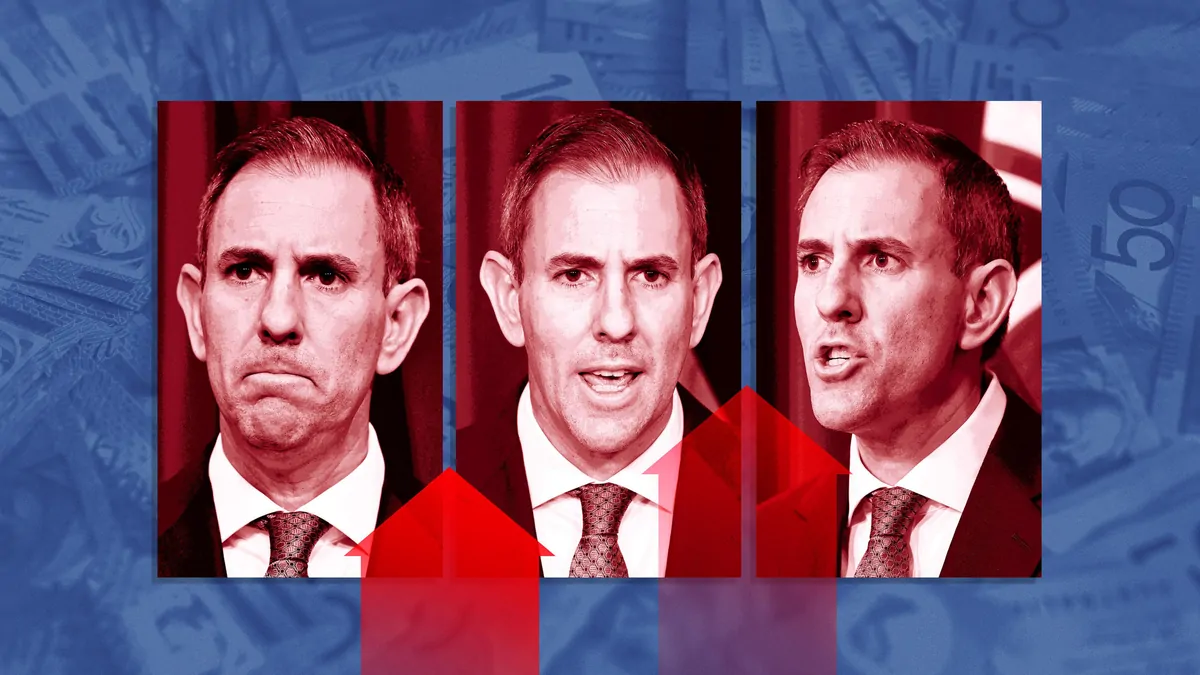
Rising domestic interest rates have propelled the Australian dollar to a four-year high, delivering welcome news for overseas travellers and importers at the expense of mortgage holders.
Following Tuesday’s interest rate hike, the Australia dollar has soared against the greenback, reaching its highest levels since June 2022.
At the time of the writing the Australia dollar was buying 72.48 US cents.
Sign up to The Nightly’s newsletters.
Get the first look at the digital newspaper, curated daily stories and breaking headlines delivered to your inbox.
By continuing you agree to our Terms and Privacy Policy.
Global X investment strategist Billy Leung told NewsWire the Australian dollar is rallying as the country becomes a genuine outliner on monetary policy.
“The reason the RBA is moving in the opposite direction comes down to an inflation problem that has not been resolved,” he said.
“Trimmed mean inflation is forecast to climb back to 3.8 per cent by June, household spending grew 0.7 per cent in real terms in the first quarter, and the labour market has remained resilient.
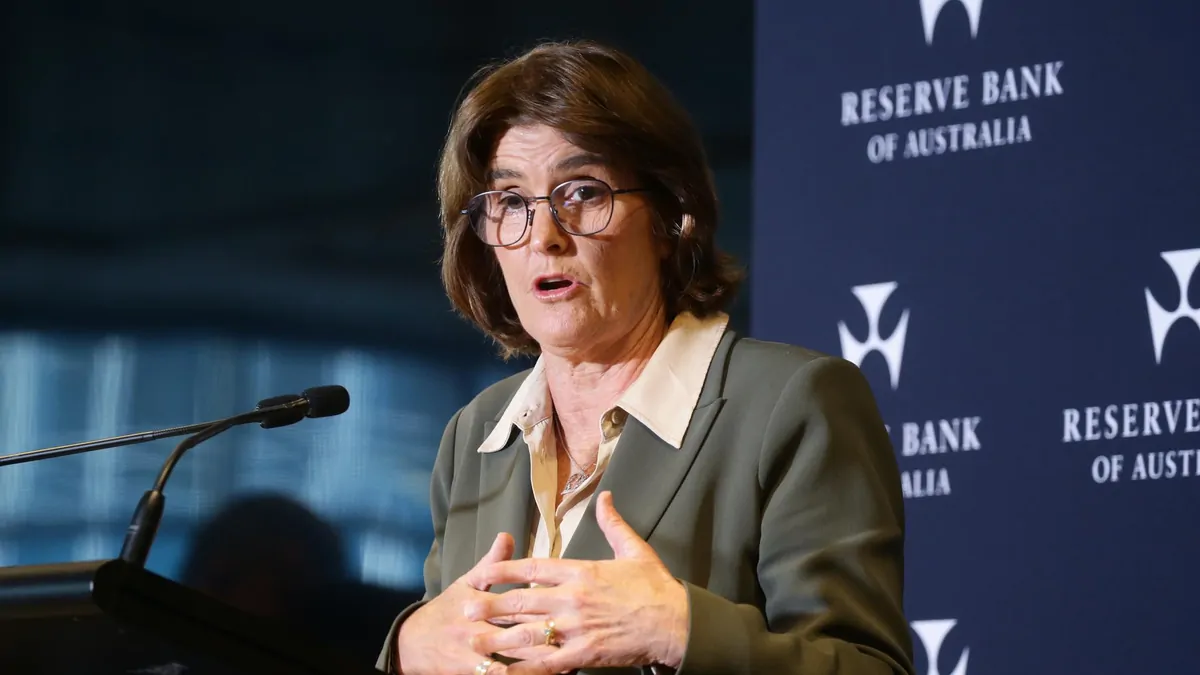
SYDNEY, AUSTRALIA – NewsWire Photos – 05 MAY 2026: Reserve Bank of Australia’s Governor Michele Bullock addresses the press from the RBA Headquarters in Sydney. NewsWire / Christian Gilles Credit: News Corp Australia
On Tuesday, the Reserve Bank of Australia lifted the official cash rate by 25 basis points to 4.35 per cent.
While inflation is rising across the globe, Australia is in the unique position of lifting interest rates in part due to leaving them lower post-Covid.
At the same time domestic inflation pressures meant Australia was unable to look through the oil price shock caused by the US/Israel and Iran conflict.
Tuesday’s hike was the third straight interest rate hike in the cycle, with experts split on whether Australia needs to continue to lift rates.
Eight of the nine board members voted to increase the cash rate, while one member voted to leave the cash rate target unchanged at 4.10 per cent.
The board said inflation was too high at 4.6 per cent, well above its target range of 2-3 per cent, and suggested further rate hikes could be on the agenda, saying it will pay close attention to future data and the global economic climate.
“Having raised the cash rate three times, monetary policy is well placed to respond to developments and the board is focused on its mandate to deliver price stability and full employment,” the board said in a statement.
“It will do what it considers necessary to achieve that outcome.”
Australia’s dollar soared against the US. NewsWire / Nicholas Eagar Credit: NewsWire
Mr Leung also points out that the US dollar has lost its yield advantage.
“With the Fed sidelined and US rate cuts back on the table, global capital has been forced to look elsewhere for carry, and Australia is one of the few developed economies still offering it,” he said.
“Add oil above 110 dollars a barrel on Middle East tensions, and the set-up for a commodity-linked currency with a hawkish central bank is about as clean as it gets.”
Despite the bounce Mr Leung conceded the Australian dollar is not rallying due to relative strength compared to the greenback.
“The Aussie is not rallying because the domestic economy is booming,” he said.
“It is rallying because the inflation problem most of the developed world believes has been dealt with remains very much alive in Australia, and the RBA has chosen to confront it directly.”