The Fourth of July holiday is arriving under the most dangerous heat conditions many American cities have seen in years — and public health officials are scrambling to protect millions of people who plan to spend it outdoors.
A powerful heat dome has settled over the eastern United States, pushing temperatures into the upper 90s and low 100s across a corridor stretching from Nashville to Boston. With humidity factored in, heat index values on July 4 are forecast to reach 115°F in Richmond, Virginia; 110°F in Washington D.C.; 107°F in Philadelphia; and 103°F in New York City — the kind of readings that public health officials describe as life-threatening without precautions.
The convergence of record temperatures with one of the most outdoor-intensive holidays of the year is straining public health resources in dozens of cities simultaneously. Events have already been canceled. Parades have been shortened or called off. Emergency operations are in full activation.
Why This Matters
Extreme heat is the deadliest weather hazard in the United States. At least 13,000 Americans have died from the heat since 2018, according to CDC data. Unlike a hurricane or tornado that strikes a defined area, a heat wave kills quietly — in apartments without air conditioning, in cars, on sidewalks, and at outdoor events where people may not recognize the warning signs until a medical emergency is already underway.
The Fourth of July amplifies this risk in a specific way. Millions of people are outside at peak heat hours attending parades, barbecues, and fireworks events they attend once a year. Many are in unfamiliar locations away from their usual routines. Alcohol consumption is high. Children and older adults are mixed into outdoor crowds without adequate cooling access.
This year’s holiday weekend adds an unusual layer of severity: overnight lows are barely dropping into the upper 70s or 80s in many cities, meaning the body has almost no opportunity to recover between one dangerous day and the next.
What We Know So Far
According to National Weather Service data and city emergency announcements:
Where the Risk Is Highest
Heat index readings — what the temperature actually feels like when humidity is accounted for — tell the real risk story for July 4, 2026:
According to Weather.com forecast data:
- Richmond, Virginia: Heat index forecast 115°F July 4
- Washington, D.C.: Heat index 110°F; D.C. could see 101°F actual high on July 4, which would top the all-time record for that date
- Raleigh-Durham, North Carolina: Heat index 110°F
- Nashville, Tennessee: Heat index up to 110°F
- Philadelphia, Pennsylvania: Heat index 107°F; Philly could tie its all-time record of 106°F this week
- Detroit, Michigan: Heat index 108°F
- New York City: Heat index 103°F
- Chicago, Illinois: Heat index 102°F
- Boston, Massachusetts: Heat index 98°F — described as the “coolest” of the at-risk cities
A particularly dangerous factor this year: overnight lows are struggling or failing to drop below 80°Fin the hearts of Philadelphia, Baltimore, New York, Boston, and Washington D.C. The human body relies on cooler nights to recover from heat stress. When temperatures remain this elevated overnight, the cumulative physiological burden builds rapidly, especially for older adults, young children, and people without reliable air conditioning.
What Cities Are Doing to Protect People
Cities across the affected region have activated emergency heat response plans. Here is what major metro areas are doing:
New York City: Mayor Zohran Mamdani deployed 21 COOL (Cooling Outreach On-Location) vans staffed with nurses and paramedics providing water, electrolytes, and sunscreen, and performing wellness checks and in-home visits to older adults. The Jacob Javits Convention Center is open as a cooling center through the holiday weekend. Hundreds of cooling centers are active across all five boroughs, with real-time directions available through 2,200 LinkNYC kiosks. Pools are open until 8:30 p.m., extended from the usual 7 p.m. New Yorkers can find their nearest cooling center at finder.nyc.gov/coolingcenters or by calling 311.
“I am asking every New Yorker to make a heat plan before the worst of this weather arrives,” Mayor Mamdani said. “The best protection against extreme heat is air conditioning. If you don’t have it at home, know now where you’ll go to stay cool.”
Nashville, Tennessee: Nashville’s Office of Emergency Management launched heat patrols starting Monday, with crews conducting wellness checks on vulnerable residents — particularly people experiencing homelessness — and distributing cold water and cooling towels. Public library branches are open as cooling resources throughout the week.
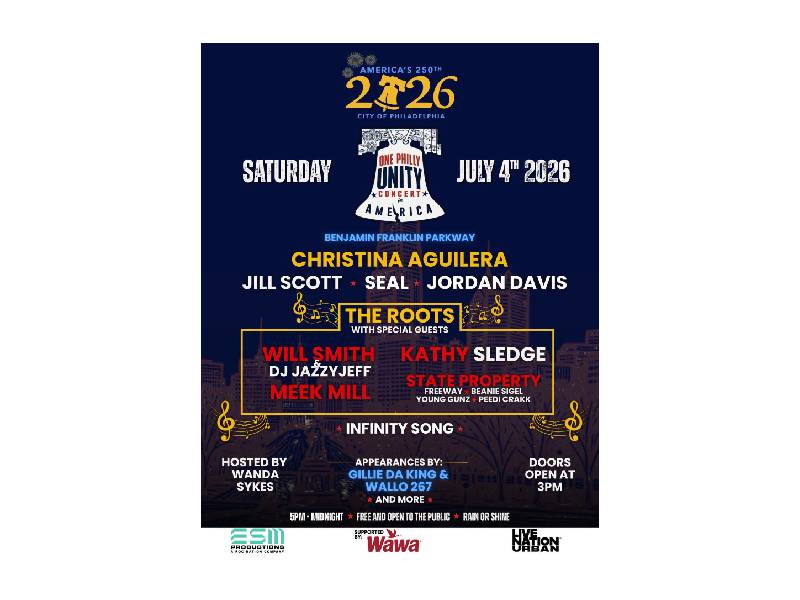
Philadelphia: The city declared a heat health emergency and shortened the route of its Fourth of July parade. Cooling stations are open at libraries, senior centers, and community buildings. An extreme heat warning is in effect through Saturday evening.
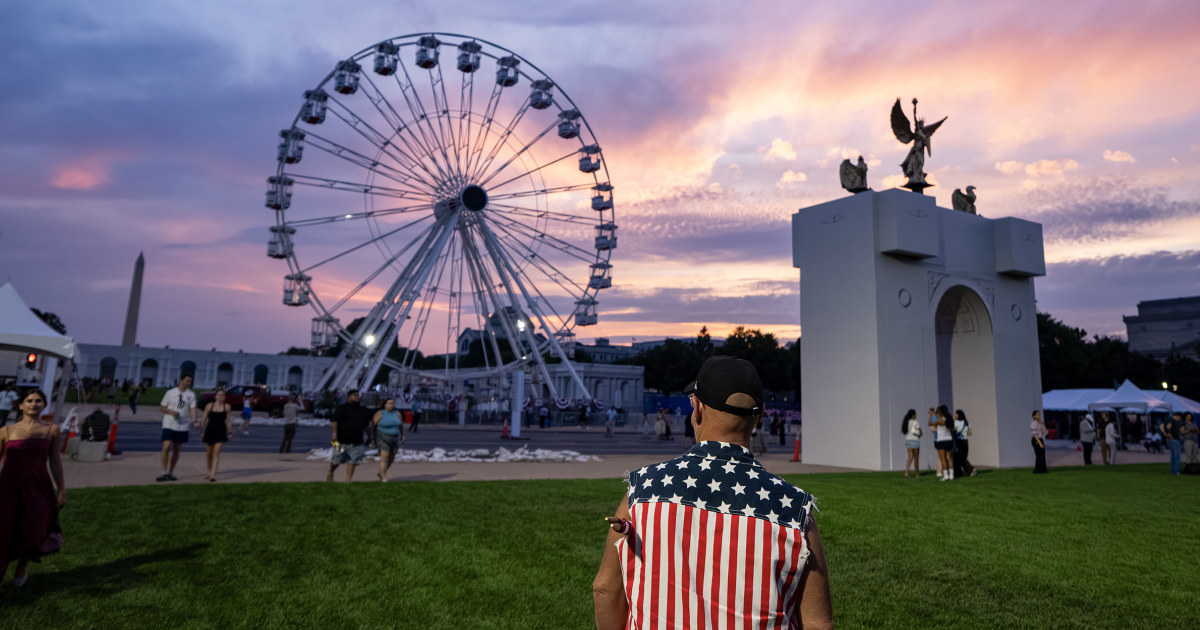
Washington, D.C.: Mayor Muriel Bowser activated an Extreme Heat Alert through Sunday morning. D.C. is expanding cooling centers, hydration stations, and emergency medical resources across the city. National Mall celebration organizers added water stations, cooling tents, and air-conditioned buses for America 250 attendees.
Boston: Mayor Michelle Wu issued an Excessive Heat Warning for the city through Friday and recommended rescheduling most outdoor activities. State-owned pools are offering free admission throughout the heat event.
Norristown, Pennsylvania and Haddon Township, New Jersey: Both municipalities canceled their Fourth of July parades entirely due to the heat.
Who Faces the Greatest Risk?
Heat illness can affect anyone, but the following groups are at significantly elevated danger during this event:
- Adults 65 and older, especially those living alone without air conditioning
- Children under 4, whose bodies heat up faster and who cannot communicate distress
- People experiencing homelessness, who cannot access air-conditioned spaces
- Outdoor workers — construction, landscaping, delivery, food service — who cannot leave the heat
- People with cardiovascular disease, diabetes, kidney disease, or multiple sclerosis
- People taking certain medications including diuretics, antihistamines, and some psychiatric medications that impair the body’s ability to regulate temperature
- People in upper-floor apartments where heat accumulates and temperatures can exceed outdoor readings by 10 to 20 degrees
Symptoms and Warning Signs to Watch For
Heat exhaustion warning signs:
- Heavy sweating
- Cold, pale, clammy skin despite the heat
- Fast, weak pulse
- Nausea or vomiting
- Dizziness, fatigue, or weakness
- Headache
- Muscle cramps
- Fainting
If you or someone you know shows these signs, move to a cool place immediately, apply cool, wet cloths, and sip water. If symptoms do not improve within 15 minutes or worsen, call 911.
Heat stroke — a medical emergency requiring immediate 911 response — signs include:
- Body temperature above 103°F
- Hot, red, dry, or damp skin
- Rapid, strong pulse
- Confusion, slurred speech, or loss of consciousness
- The person stops sweating despite the extreme heat
Heat stroke can cause permanent organ damage or death within minutes. Call 911 immediately and cool the person down by any means available while waiting for emergency help.
What You Can Do Now
- Find your nearest cooling center now — before you need it. Search your city name plus “cooling center” at your local government website, or visit FindYourCoolingCenter.org for a national resource. In New York City, use 311 or the NYC CoolIt! map.
- Check on elderly or ill neighbors today. Heat kills most often in isolated people who don’t ask for help. A phone call or visit can be lifesaving.
- Never leave a child, older adult, or pet in a parked car. Vehicle interiors can reach fatal temperatures within minutes.
- Move the most vulnerable activities indoors or to early morning hours. If attending outdoor events on July 4, plan around the coolest parts of the day (before 10 a.m. or after 8 p.m.).
- Drink water continuously — don’t wait until you feel thirsty. Aim for a cup of water every 20 minutes during outdoor activity. Avoid alcohol, which accelerates dehydration.
- If you don’t have air conditioning, spend the hottest hours — typically 11 a.m. to 7 p.m. — in a cooling center, library, movie theater, or mall.
Cost and Access: What Patients Should Know
Cooling centers in New York, Philadelphia, Washington D.C., Nashville, Boston, and most other major cities are free and open to the public with no ID or registration required. Most are accessible to people with disabilities and allow service animals.
State-owned pools in Massachusetts are offering free admission during the heat emergency. NYC’s outdoor pools are free daily.
If you or a family member requires medical care for heat illness, emergency departments are open and prepared. People without insurance can receive emergency heat-related care at federally qualified health centers or hospital emergency departments; federal law requires emergency stabilization regardless of ability to pay.
Energy utility shutoffs for non-payment have been suspended during the heat emergency in New York and several other states — call your utility or local emergency management office if you are at risk of losing power needed to run air conditioning.
What Happens Next
The National Weather Service expects some relief for parts of the Mid-Atlantic beginning Sunday or Monday, as the heat dome may shift westward. However, the Southeast — including Raleigh, Savannah, and surrounding areas — is expected to see continued dangerous heat through Sunday. The Department of Energy has issued emergency orders to grid operators serving the Mid-Atlantic to reduce the risk of power outages. MedicalDaily will update this report if heat-related fatalities are confirmed or if cooling center availability changes in specific cities.
The Bottom Line
This Fourth of July presents one of the highest single-day heat illness risk environments in years across the eastern United States. Cities are doing what they can — deploying medical vans, activating cooling centers, canceling or shortening parades — but the most powerful tool is neighbor-to-neighbor awareness. Find a cooling center in your area before you need it. Check on people in your life who are older, ill, or without air conditioning. And if someone around you shows signs of heat stroke, call 911 immediately.