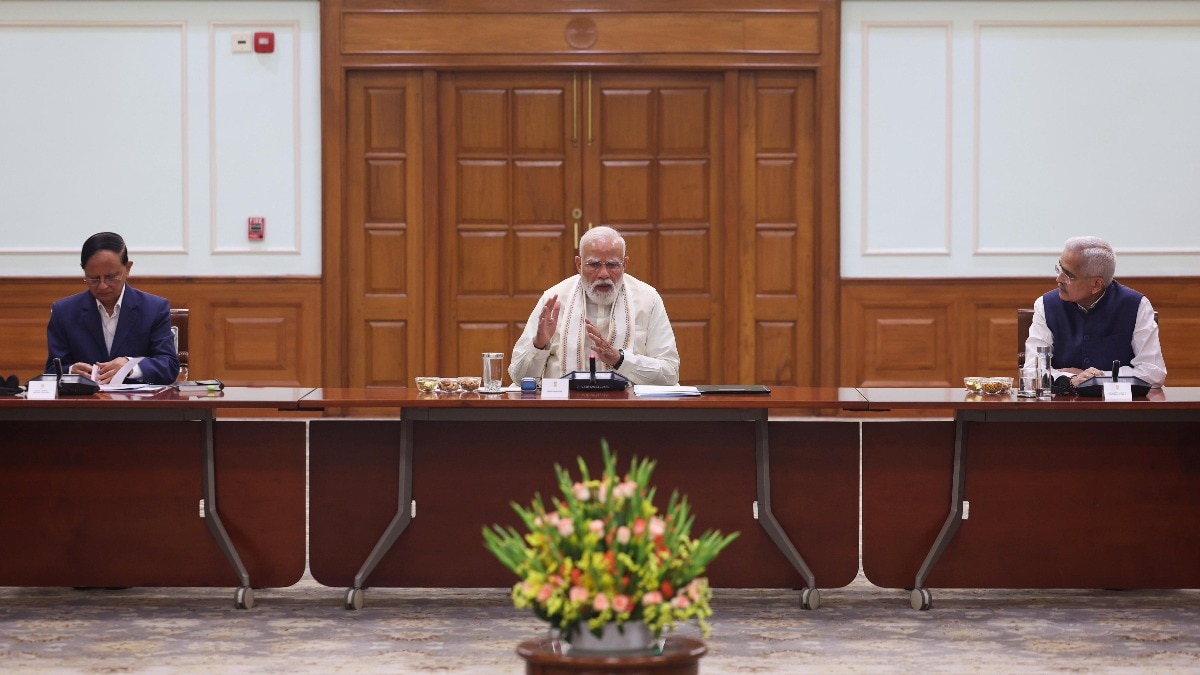
Prime Minister Narendra Modi on Saturday chaired a meeting of the Prime Minister’s Economic Advisory Council (PM-EAC), where members deliberated on strategies to sustain India’s economic momentum amid growing global uncertainties and geopolitical tensions.
According to sources, the meeting focused on a range of ideas and policy measures aimed at strengthening economic growth, enhancing resilience against external shocks and accelerating reforms to improve both ease of living and ease of doing business in the country.
Members of the council reviewed the evolving global economic landscape and assessed the potential implications of the ongoing conflict in West Asia on India and the wider world economy.
Discussions covered the possible impact of geopolitical instability on energy markets, supply chains, inflationary pressures and global trade flows, all of which have emerged as key concerns for policymakers across the world.
The deliberations come at a time when the government is closely monitoring developments in the region amid heightened uncertainty over energy supplies and their potential effect on major importing nations, including India.
The council also discussed measures that could help strengthen domestic economic activity, support investment, boost productivity and create a more conducive environment for businesses.
Reforms aimed at reducing compliance burdens, improving service delivery and enhancing citizens’ quality of life were among the issues taken up during the meeting.
WORLD FACED WITH TOUGH TIMES
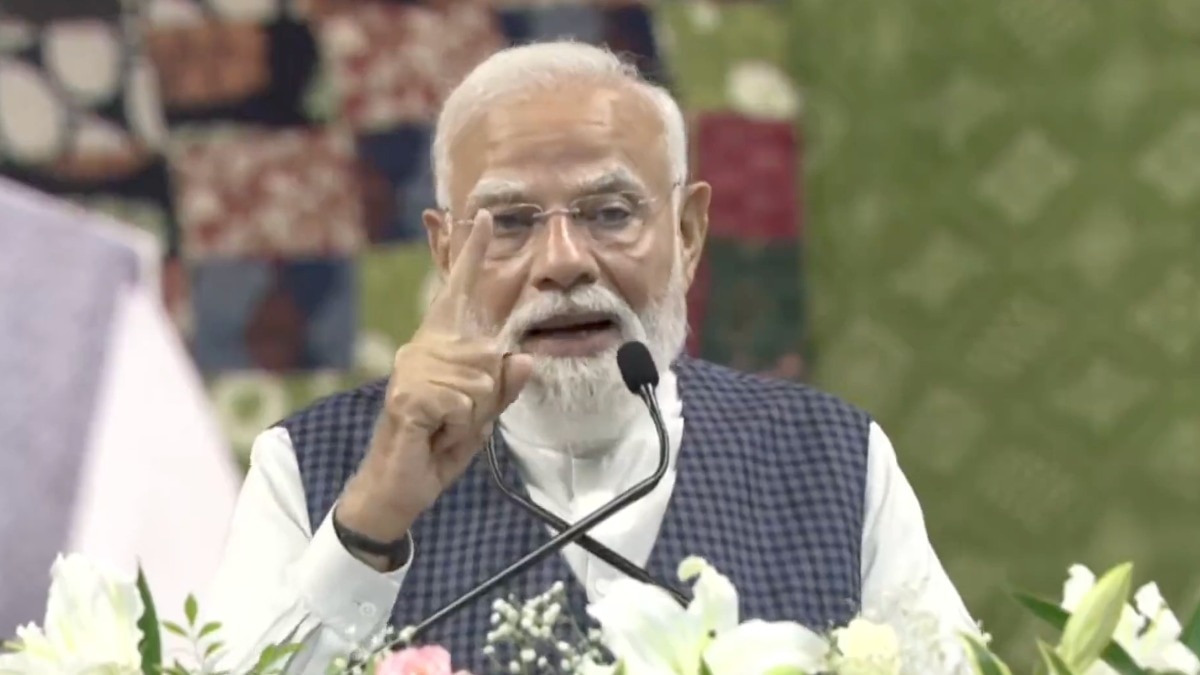
The discussions assume significance against the backdrop of Prime Minister Modi’s recent remarks warning that the world is passing through a period of unprecedented challenges.
Addressing a gathering in Surat on World Environment Day on Friday, the Prime Minister had described the current decade as increasingly becoming a “decade of disasters”, marked by successive global crises ranging from the Covid-19 pandemic and armed conflicts to disruptions in energy markets and supply chains.
The PM had noted that volatility in fuel prices and stress in global energy supply networks were affecting economies worldwide.
Despite these challenges, the PM said India had demonstrated resilience through collective national efforts and continued to pursue growth-oriented policies.
PM Modi has also repeatedly underlined the importance of self-reliance in energy and critical sectors, arguing that global disruptions highlight the need to reduce vulnerabilities arising from external dependencies.
He has pointed to investments in energy infrastructure, nuclear power and domestic manufacturing as part of India’s long-term strategy to strengthen economic security.
PM’S ‘SAVE FOREX’ APPEAL TO PEOPLE
In recent weeks, the government has additionally called for prudent use of resources amid concerns over rising global energy costs.
PM Modi had urged citizens to conserve fuel, make greater use of public transport where possible and contribute to reducing pressure on foreign exchange reserves during a period of global uncertainty.
The PM-EAC meeting reflected the government’s continued focus on balancing growth with economic stability as international challenges become increasingly complex.
By examining both domestic reforms and external risks, the council sought to identify policy options that could help India maintain growth, support businesses and protect citizens from the adverse effects of global economic turbulence.
The meeting concluded with a broad consensus on the need to remain vigilant, pursue reforms and strengthen India’s economic fundamentals to navigate an increasingly uncertain global environment while sustaining long-term development objectives.
– Ends
Published On:
Jun 6, 2026 13:55 IST