The price of oil plunged and markets surged early Wednesday after a new report that the U.S. believed it was nearing a deal to end the war with Iran and eventually reopen the Strait of Hormuz.
Subscribe to read this story ad-free
Get unlimited access to ad-free articles and exclusive content.
Officials in Washington and Tehran were working on “a one-page memorandum of understanding to end the war and set a framework for more detailed nuclear negotiations,” according to the report from Axios, which cited two U.S. officials and two additional sources.
Markets immediately reacted to the report, sending the price of U.S. crude oil plunging by 9% to around $93 per barrel and international Brent crude oil down 8% to about $101 per barrel. Wholesale gas prices dropped 5% and heating oil, a proxy for jet fuel, fell 6.5%.
Stock futures surged, indicating that major indexes will jump sharply when Wednesday’s opening bell rings in New York.
S&P 500 futures quickly rose more than 0.9%. Nasdaq 100 futures surged 1.5%, Russell 2000 futures rose 1.8% and Dow futures jumped more than 460 points.
European markets also quickly jumped with the broad Stoxx 600 index soaring more than 2.2%.
Bond yields also dropped sharply, with the 10-year and 30- year U.S. government bond yields dropping to their lowest levels in about a week.
Falling bond yields can quickly translate into relief for consumers.
As bond rates have risen during the course of the war, so have borrowing costs for consumers taking out loans or mortgages. As of early Monday, the average 30-year fixed rate mortgage rate was 6.54%, its highest since March 30, according to Mortgage News Daily data. That rate will likely fall in the next day or two if Wednesday’s market moves hold.
Shortly before the Axios report and the market reaction, the average U.S. retail gas price jumped past $4.50 per gallon for the first time since July 2022.
The nationwide average of $4.54 is now less than 50 cents from its all time high of $5.01, which it rose to in June 2022. Since the war with Iran started, gas prices have surged more than 50% for consumers.
The reported progress toward ending the war on Wednesday came after President Donald Trump abruptly ended “Project Freedom,” an effort to help guide stranded commercial vessels through the Strait of Hormuz.
Trump cited “great progress” in peace talks, after Iran said earlier this week it was reviewing a U.S. counterproposal. Foreign Minister Abbas Araghchi said Wednesday on a visit to Beijing that Tehran “will only accept a fair and comprehensive agreement.”
Trump’s pause came after multiple officials earlier Tuesday held briefings and gave interviews promoting the “project.”
As of late Tuesday though, only two commercial vessels were guided safely to freedom, both of which had U.S. military security teams aboard as Iran launched attacks against them during the transit, two U.S. officials told NBC News.
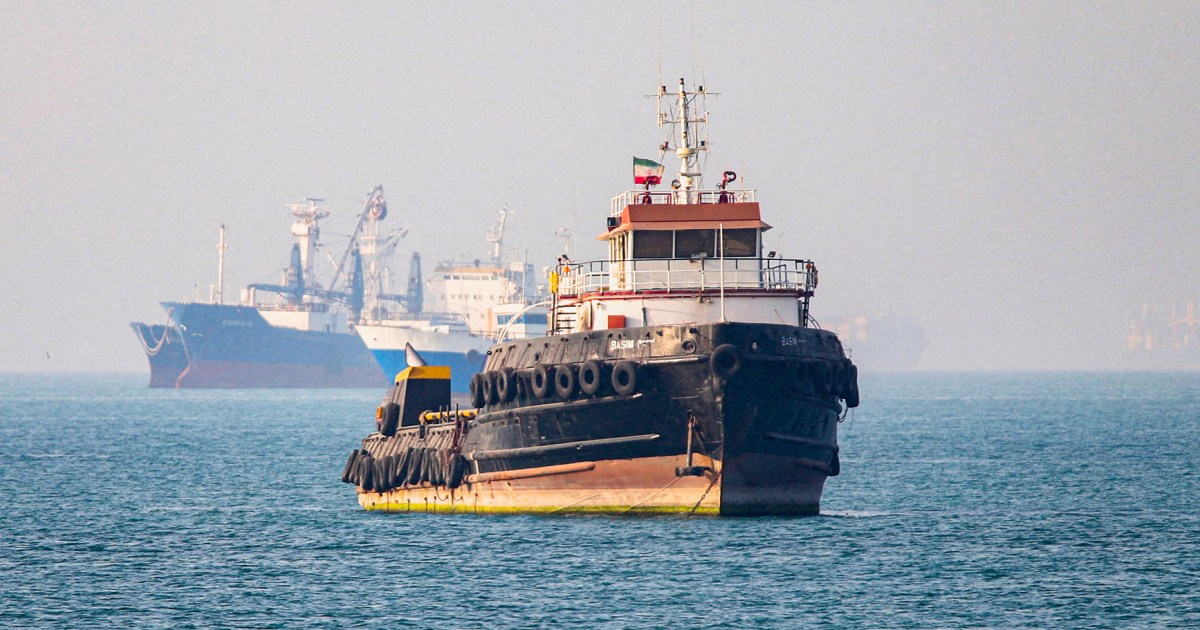
Thousands more ships remain stranded and unable to cross the critical waterway due to threats and attacks from the Iranian regime.
U.S. officials have insisted that the ceasefire between the two countries was still in place despite this week’s exchange of fire in the strait.
The effective shuttering of the key trade route has been the primary cause of the more than 40% jump in oil prices since the war started. Normally, hundreds of ships per day would transit the strait, bringing more than 20% of the world’s oil supply to the global market.
On Tuesday, just one ship crossed the Strait of Hormuz, according to ship tracking services. On Monday, that figure was only 4 ships.
Even with Wednesday’s drops, the price of oil is still up more than 60% since the start of the year.